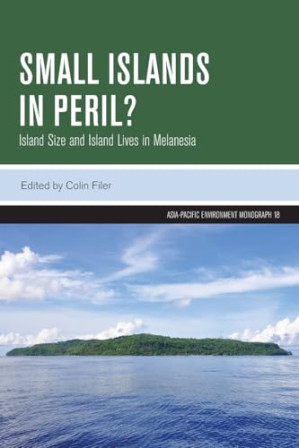
Small Islands in Peril?: Island Size and Island Lives in Melanesia (Asia-Pacific Environment Monographs) 🔍
Colin Filer (editor)
Anu Press, ANU Press, Canberra, ACT, Australia, 2024
英语 [en] · PDF · 11.6MB · 2024 · 📘 非小说类图书 · 🚀/lgli/lgrs/zlib · Save
描述
This book explores the idea that small island communities could be regarded as canaries in the coal mine of sustainable development because of scientific and anecdotal evidence of a common link between rapid population growth, degradation of the local resource base, and intensification of disputes over the ownership and use of terrestrial and marine resources. The authors are all anthropologists with a specific interest in the question of whether the economic and social 'safety valves' that have previously served to break some of the feedback loops between these trends appear to be losing their efficacy. While much of the debate about economy-society-environment relationships on small islands has been overtaken by a narrow focus on the problem of climate change, the authors show that there are many other factors at work in the transformation of island lives and livelihoods.
备用文件名
lgrsnf/book.pdf
备用文件名
zlib/no-category/Colin Filer/Small Islands in Peril?: Island Size and Island Lives in Melanesia_30716123.pdf
备用版本
Australia, Australia
备用描述
List of Tables
Table 2.1: Distribution of populated islands between regions of PNG
Table 2.2: Distribution of small islands and islanders between coastal regions of PNG in 2000
Table 2.3: Remoteness of small islands from bigger islands or the mainland
Table 2.4: Population of very small and remote (or far-flung) islands in 2000
Table 2.5: Numbers of rural villagers counted as living on small islands in 2000
Table 2.6: Percentage of villagers absent from 241 small islands containing rural villages in 1979
Table 2.7: Village population growth rates on small islands with rural villages, 1980–2000
Table 3.1: Bwanabwana islands recorded in the 2000 national census
Table 3.2: Growth of the Bwanabwana island population, 1980–2011
Table 3.3: Absentees in the Bwanabwana island population, 1979–1980
Table 3.4: Primary source of income before and after the moratorium
Table 3.5: Reasons why people disagreed or agreed with the moratorium
Table 3.6: Outstanding school fee payments for 2009 at Tubetube primary school
Table 6.1: Rural village population density in 1980
Table 6.2: Percentage of households consuming different food crops on previous day in 1982
Table 6.3: Sources of household income from own agricultural production in 1980
Table 6.4: Rural village populations in 1958 and 1980
Table 6.5: Lihirian rural village populations on the four islands in 1980 and 2014
Table 6.6: Lihirian rural village populations in two parts of Aniolam in 1980 and 2014
List of Figures
Figure 2.1: Provinces of Papua New Guinea
Figure 3.1: Initial conceptual framework for the Milne Bay SMIP Program
Figure 3.2: Map of the Bwanabwana region
Figure 3.3: Assortment of bêche-de-mer on Koyagaugau Island, 2005
Figure 3.4: Decoration of clay pot on Ware Island, 2005
Figure 3.5: Sailau undergoing renovation on Tubetube Island, 2005
Figure 3.6: ‘Blue boat’ moored at Kavieng Wharf, 2017
Figure 4.1: Map of Marovo Lagoon showing districts and a selection of main villages
Figure 4.2: Tusu Marovo and its associated lagoon and barrier reef from the air, facing due north from above the Vangunu mainland, 2010
Figure 4.3: Morning view from the east of the characteristic peaked silhouette of Tusu Marovo, with the barrier islands of central Marovo Lagoon in the background, 2012
Figure 4.4: Recent aerial view of Tusu Marovo, showing locations of three major villages
Figure 4.5: Buli Te Lagiti (Lagiti’s petrified throwing clubs), 1996
Figure 4.6: House on rock foundation in the tidal zone of Babata, Tusu Marovo, early 1890s
Figure 4.7: Part of Chea village, Tusu Marovo, 2012
Figure 5.1: Papua New Guinea and Manam Island
Figure 5.2: Manam Island and environs
Figure 5.3: Nineteenth-century engraving of Manam Island
Figure 5.4: Manam Volcano, 1987
Figure 5.5: Manam Island villages and radial valleys formed by lava flows
Figure 6.1: The Lihir group of islands
Figure 6.2: Masahet Island
Figure 6.3: Garden stone wall, Masahet Island
Figure 6.4: Shells used to make shell money
Figure 6.5: Malo ferns on Masahet Island, 2002
Figure 6.6: Ceremonial men’s house on Malie Island, 2007
Figure 6.7: Fibreglass banana boats at Mahur, 2016
Figure 6.8: Customary feast on Mahur Island, unveiling of mormor (memorial depicting deceased clan members), 2015
Contributors
1. Introduction
2. On the Classification of Small Island Communities in Papua New Guinea
3. Livelihood Dilemmas on Some Small Islands in Milne Bay Province, Papua New Guinea
4. Pilot Fish Rock, or, How to Live Large on a Small Island in Marovo Lagoon, Solomon Islands
5. Manam Lives in Limbo: Resilience and Adaptation in Papua New Guinea
6. Pressures and Perils in the Stony Bits of Lihir, Papua New Guinea
7. Conclusion
Table 2.1: Distribution of populated islands between regions of PNG
Table 2.2: Distribution of small islands and islanders between coastal regions of PNG in 2000
Table 2.3: Remoteness of small islands from bigger islands or the mainland
Table 2.4: Population of very small and remote (or far-flung) islands in 2000
Table 2.5: Numbers of rural villagers counted as living on small islands in 2000
Table 2.6: Percentage of villagers absent from 241 small islands containing rural villages in 1979
Table 2.7: Village population growth rates on small islands with rural villages, 1980–2000
Table 3.1: Bwanabwana islands recorded in the 2000 national census
Table 3.2: Growth of the Bwanabwana island population, 1980–2011
Table 3.3: Absentees in the Bwanabwana island population, 1979–1980
Table 3.4: Primary source of income before and after the moratorium
Table 3.5: Reasons why people disagreed or agreed with the moratorium
Table 3.6: Outstanding school fee payments for 2009 at Tubetube primary school
Table 6.1: Rural village population density in 1980
Table 6.2: Percentage of households consuming different food crops on previous day in 1982
Table 6.3: Sources of household income from own agricultural production in 1980
Table 6.4: Rural village populations in 1958 and 1980
Table 6.5: Lihirian rural village populations on the four islands in 1980 and 2014
Table 6.6: Lihirian rural village populations in two parts of Aniolam in 1980 and 2014
List of Figures
Figure 2.1: Provinces of Papua New Guinea
Figure 3.1: Initial conceptual framework for the Milne Bay SMIP Program
Figure 3.2: Map of the Bwanabwana region
Figure 3.3: Assortment of bêche-de-mer on Koyagaugau Island, 2005
Figure 3.4: Decoration of clay pot on Ware Island, 2005
Figure 3.5: Sailau undergoing renovation on Tubetube Island, 2005
Figure 3.6: ‘Blue boat’ moored at Kavieng Wharf, 2017
Figure 4.1: Map of Marovo Lagoon showing districts and a selection of main villages
Figure 4.2: Tusu Marovo and its associated lagoon and barrier reef from the air, facing due north from above the Vangunu mainland, 2010
Figure 4.3: Morning view from the east of the characteristic peaked silhouette of Tusu Marovo, with the barrier islands of central Marovo Lagoon in the background, 2012
Figure 4.4: Recent aerial view of Tusu Marovo, showing locations of three major villages
Figure 4.5: Buli Te Lagiti (Lagiti’s petrified throwing clubs), 1996
Figure 4.6: House on rock foundation in the tidal zone of Babata, Tusu Marovo, early 1890s
Figure 4.7: Part of Chea village, Tusu Marovo, 2012
Figure 5.1: Papua New Guinea and Manam Island
Figure 5.2: Manam Island and environs
Figure 5.3: Nineteenth-century engraving of Manam Island
Figure 5.4: Manam Volcano, 1987
Figure 5.5: Manam Island villages and radial valleys formed by lava flows
Figure 6.1: The Lihir group of islands
Figure 6.2: Masahet Island
Figure 6.3: Garden stone wall, Masahet Island
Figure 6.4: Shells used to make shell money
Figure 6.5: Malo ferns on Masahet Island, 2002
Figure 6.6: Ceremonial men’s house on Malie Island, 2007
Figure 6.7: Fibreglass banana boats at Mahur, 2016
Figure 6.8: Customary feast on Mahur Island, unveiling of mormor (memorial depicting deceased clan members), 2015
Contributors
1. Introduction
2. On the Classification of Small Island Communities in Papua New Guinea
3. Livelihood Dilemmas on Some Small Islands in Milne Bay Province, Papua New Guinea
4. Pilot Fish Rock, or, How to Live Large on a Small Island in Marovo Lagoon, Solomon Islands
5. Manam Lives in Limbo: Resilience and Adaptation in Papua New Guinea
6. Pressures and Perils in the Stony Bits of Lihir, Papua New Guinea
7. Conclusion
开源日期
2024-09-22
We strongly recommend that you support the author by buying or donating on their personal website, or borrowing in your local library.
🚀 快速下载
成为会员以支持书籍、论文等的长期保存。为了感谢您对我们的支持,您将获得高速下载权益。❤️
如果您在本月捐款,您将获得双倍的快速下载次数。
- 高速服务器(合作方提供) #1 (推荐)
- 高速服务器(合作方提供) #2 (推荐)
- 高速服务器(合作方提供) #3 (推荐)
- 高速服务器(合作方提供) #4 (推荐)
- 高速服务器(合作方提供) #5 (推荐)
- 高速服务器(合作方提供) #6 (推荐)
- 高速服务器(合作方提供) #7
- 高速服务器(合作方提供) #8
- 高速服务器(合作方提供) #9
- 高速服务器(合作方提供) #10
- 高速服务器(合作方提供) #11
- 高速服务器(合作方提供) #12
- 高速服务器(合作方提供) #13
- 高速服务器(合作方提供) #14
- 高速服务器(合作方提供) #15
- 高速服务器(合作方提供) #16
- 高速服务器(合作方提供) #17
- 高速服务器(合作方提供) #18
- 高速服务器(合作方提供) #19
- 高速服务器(合作方提供) #20
- 高速服务器(合作方提供) #21
- 高速服务器(合作方提供) #22
🐢 低速下载
由可信的合作方提供。 更多信息请参见常见问题解答。 (可能需要验证浏览器——无限次下载!)
- 低速服务器(合作方提供) #1 (稍快但需要排队)
- 低速服务器(合作方提供) #2 (稍快但需要排队)
- 低速服务器(合作方提供) #3 (稍快但需要排队)
- 低速服务器(合作方提供) #4 (稍快但需要排队)
- 低速服务器(合作方提供) #5 (无需排队,但可能非常慢)
- 低速服务器(合作方提供) #6 (无需排队,但可能非常慢)
- 低速服务器(合作方提供) #7 (无需排队,但可能非常慢)
- 低速服务器(合作方提供) #8 (无需排队,但可能非常慢)
- 低速服务器(合作方提供) #9 (无需排队,但可能非常慢)
- 低速服务器(合作方提供) #10 (稍快但需要排队)
- 低速服务器(合作方提供) #11 (稍快但需要排队)
- 低速服务器(合作方提供) #12 (稍快但需要排队)
- 低速服务器(合作方提供) #13 (稍快但需要排队)
- 低速服务器(合作方提供) #14 (无需排队,但可能非常慢)
- 低速服务器(合作方提供) #15 (无需排队,但可能非常慢)
- 低速服务器(合作方提供) #16 (无需排队,但可能非常慢)
- 低速服务器(合作方提供) #17 (无需排队,但可能非常慢)
- 低速服务器(合作方提供) #18 (无需排队,但可能非常慢)
- 下载后: 在我们的查看器中打开
所有选项下载的文件都相同,应该可以安全使用。即使这样,从互联网下载文件时始终要小心。例如,确保您的设备更新及时。
外部下载
-
对于大文件,我们建议使用下载管理器以防止中断。
推荐的下载管理器:JDownloader -
您将需要一个电子书或 PDF 阅读器来打开文件,具体取决于文件格式。
推荐的电子书阅读器:Anna的档案在线查看器、ReadEra和Calibre -
使用在线工具进行格式转换。
推荐的转换工具:CloudConvert和PrintFriendly -
您可以将 PDF 和 EPUB 文件发送到您的 Kindle 或 Kobo 电子阅读器。
推荐的工具:亚马逊的“发送到 Kindle”和djazz 的“发送到 Kobo/Kindle” -
支持作者和图书馆
✍️ 如果您喜欢这个并且能够负担得起,请考虑购买原版,或直接支持作者。
📚 如果您当地的图书馆有这本书,请考虑在那里免费借阅。
下面的文字仅以英文继续。
总下载量:
“文件的MD5”是根据文件内容计算出的哈希值,并且基于该内容具有相当的唯一性。我们这里索引的所有影子图书馆都主要使用MD5来标识文件。
一个文件可能会出现在多个影子图书馆中。有关我们编译的各种数据集的信息,请参见数据集页面。
有关此文件的详细信息,请查看其JSON 文件。 Live/debug JSON version. Live/debug page.