nexusstc/Between Ostrogothic and Carolingian Italy: Survivals, revivals, ruptures/eb8acfeae002094110bafb419fc00e43.pdf
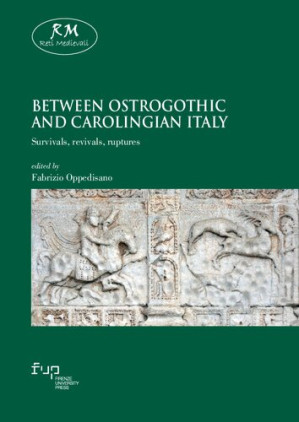
Between Ostrogothic and Carolingian Italy : survivals, revivals, ruptures : [proceedings of a conference held in Pisa, Italy, November 25-26, 2021 🔍
Fabrizio Oppedisano (ed.)
Firenze University Press, Reti Medievali E-Book, Reti Medievali, 43. Ruling in Hard Times. Patterns of Power and Practices of Government in the Making of Carolingian Italy, 2, 2022
英语 [en] · PDF · 6.6MB · 2022 · 📘 非小说类图书 · 🚀/lgli/lgrs/nexusstc/zlib · Save
描述
The victory of Justinian, achieved after a lacerating war, put an end to the ambitious project conceived and implemented by Theoderic after his arrival in Italy: that of a new society in which peoples divided by centuries-old cultural barriers would live together in peace and justice, without renouncing their own traditions but respecting shared principles inspired by the values of civilitas. What did this great experiment leave to Europe and Italy in the centuries to come ? What were the survivals and the ruptures, what were the revivals of that world in early medieval society ? How did that past continue to be recounted and how did it interact with the present, especially in the decisive moment of the Frankish conquest of Italy ? This book aims to confront these questions, and it does so by exploring different themes, concerning politics and ideology, culture and literary tradition, law, epigraphy and archaeology
备用文件名
lgli/Ostrogothic.pdf
备用文件名
lgrsnf/Ostrogothic.pdf
备用文件名
zlib/History/Fabrizio Oppedisano (ed.)/Between Ostrogothic and Carolingian Italy: Survivals, Revivals, Ruptures_24921634.pdf
备选标题
Chapter Cassiodorus' Variae in the 9th Century
备选作者
Marco Cristini
备用出版商
Università degli Studi di Firenze
备用版本
Firenze, Italy, 2022
备用版本
Florence, 2022
备用版本
Italy, Italy
元数据中的注释
{"container_title":"Reti Medievali E-Book","isbns":["8855186639","8855186647","8855186655","8855186663","9788855186636","9788855186643","9788855186650","9788855186667"],"issns":["2704-6362","2704-6079"],"last_page":262,"publisher":"Firenze University Press","series":"Reti Medievali, 43. Ruling in Hard Times. Patterns of Power and Practices of Government in the Making of Carolingian Italy, 2"}
备用描述
Abbreviations x
Preface, by Fabrizio Oppedisano xi
Ostrogoths vs. Franks: Imagining the Past in the Middle Ages, by Fabrizio Oppedisano 1
1. Goths and Franks in the Chronicle of Giovanni 3
2. Myths of origins 8
3. Goths and Franks in the Carolingian age 9
4. Conclusions: Cassiodorus, the 'Variae' and the evanescent memory of Roman-Ostrogothic society 11
Roman Law in the regnum Italiae under the Emperor Lothar I (817-855): Epitomes, Manuscripts, and Carolingian Legislation, by Stefan Esders 19
1. Introduction 21
2. Roman law as an ecclesiastical legal resource: the 'Epitome Iuliani' in Northern Italy 23
3. Roman law as a personal law: the Frankish 'Epitome Aegidii' in the regnum Italiae 28
4. Conclusions 35
The Creation of Two Ethnographic Identities: the Cases of the Ostrogoths and the Langobards, by Robert Kasperski 41
1. Introduction 43
2. The ethnographic identity of the Ostrogoths 45
3. The ethnographic identity of the Langobards 49
4. Conclusions 55
The Imperial Image of Theoderic: the Case of the Regisole of Pavia, by Carlo Ferrari 59
1. Introduction 61
2. Ravenna, Aachen, Pavia 64
3. The Regisole: how it looked and who it represented 66
4. The arrival of the Regisole in Pavia in the 8th century 70
5. Aistulf in Ravenna 74
6. Concluding remarks: the imperial image of Theoderic and the Regisole 75
'Stilo... memoriaeque mandavi': Two and a Half Conspiracies. Auctors, Actors, Confessions, Records, and Models, by Danuta Shanzer 81
1. Introduction 83
2. Boethius at the Ostrogothic court 84
3. A detour to Ammianus (half a conspiracy?) 86
4. Back to Boethius 89
5. A Carolingian conspiracy 89
6. Midpoint: so far, so good? 90
7. Theodulf: collateral damage? 91
8. Conspiracies in general: into orbit? 98
9. Paying later vs. paying now: and how? 102
Appendix. The Cassiodoran Vita 103
Cassiodorus' 'Variae' in the 9th Century, by Marco Cristini 109
1. Introduction 111
2. Cassiodorus at Aachen: the 'Variae' as models for Charlemagne’s letters to Constantinople 111
3. Cassiodorus and Paschasius Radbertus 119
4. Cassiodorus and the 'Constitutum Constantini' 120
5. Conclusions 122
The Revival of Cassiodorus' 'Variae' in the High Middle Ages (10th-11th Century), by Dario Internullo 127
1. Introduction 129
2. Reusing Cassiodorus' 'Variae' at the turn of the first Millennium (997-1027) 130
3. The local contexts: Tivoli and Rome, notaries and judges 137
4. Reasons for reuse. A first 'legal Renaissance'? 141
Epigraphic Stratigraphy: is There Any Trace of the Ostrogoths in Early Medieval 'Layers' (6th-9th Century)?, by Flavia Frauzel 149
1. Introduction 151
2. Post-war and doubtful Ostrogothic/Lombard inscriptions 152
3. The epigraph of Wideramn and similar plaques from Lombardy and Piedmont 155
4. Survival and changes in epigraphic and palaeographic features between the 7th-8th centuries 159
5. The Carolingian Graphic Reform and its effects on epigraphy 161
6. Conclusions 164
The Centres of Public Power Between the Cities and the Countryside in the Light of the Recent Archaeology (Italian Peninsula, Late 5th-9th Century), by Federico Cantini 189
1. Introduction 191
2. Late Antiquity 191
3. The Gothic era (late 5th to mid-6th century) 193
4. The period of the Lombard Kingdom (mid-6th to mid-8th centuries) 194
5. The Carolingian era (mid-8th-9th century) 198
6. Central-Northern Tuscia: Lucca, Pisa, Volterra and San Genesio 200
7. Conclusions 204
Conclusions, by Stefano Gasparri 223
Index of Persons 233
Index of Place Names and Ethnonyms 237
Index of Sources 241
Preface, by Fabrizio Oppedisano xi
Ostrogoths vs. Franks: Imagining the Past in the Middle Ages, by Fabrizio Oppedisano 1
1. Goths and Franks in the Chronicle of Giovanni 3
2. Myths of origins 8
3. Goths and Franks in the Carolingian age 9
4. Conclusions: Cassiodorus, the 'Variae' and the evanescent memory of Roman-Ostrogothic society 11
Roman Law in the regnum Italiae under the Emperor Lothar I (817-855): Epitomes, Manuscripts, and Carolingian Legislation, by Stefan Esders 19
1. Introduction 21
2. Roman law as an ecclesiastical legal resource: the 'Epitome Iuliani' in Northern Italy 23
3. Roman law as a personal law: the Frankish 'Epitome Aegidii' in the regnum Italiae 28
4. Conclusions 35
The Creation of Two Ethnographic Identities: the Cases of the Ostrogoths and the Langobards, by Robert Kasperski 41
1. Introduction 43
2. The ethnographic identity of the Ostrogoths 45
3. The ethnographic identity of the Langobards 49
4. Conclusions 55
The Imperial Image of Theoderic: the Case of the Regisole of Pavia, by Carlo Ferrari 59
1. Introduction 61
2. Ravenna, Aachen, Pavia 64
3. The Regisole: how it looked and who it represented 66
4. The arrival of the Regisole in Pavia in the 8th century 70
5. Aistulf in Ravenna 74
6. Concluding remarks: the imperial image of Theoderic and the Regisole 75
'Stilo... memoriaeque mandavi': Two and a Half Conspiracies. Auctors, Actors, Confessions, Records, and Models, by Danuta Shanzer 81
1. Introduction 83
2. Boethius at the Ostrogothic court 84
3. A detour to Ammianus (half a conspiracy?) 86
4. Back to Boethius 89
5. A Carolingian conspiracy 89
6. Midpoint: so far, so good? 90
7. Theodulf: collateral damage? 91
8. Conspiracies in general: into orbit? 98
9. Paying later vs. paying now: and how? 102
Appendix. The Cassiodoran Vita 103
Cassiodorus' 'Variae' in the 9th Century, by Marco Cristini 109
1. Introduction 111
2. Cassiodorus at Aachen: the 'Variae' as models for Charlemagne’s letters to Constantinople 111
3. Cassiodorus and Paschasius Radbertus 119
4. Cassiodorus and the 'Constitutum Constantini' 120
5. Conclusions 122
The Revival of Cassiodorus' 'Variae' in the High Middle Ages (10th-11th Century), by Dario Internullo 127
1. Introduction 129
2. Reusing Cassiodorus' 'Variae' at the turn of the first Millennium (997-1027) 130
3. The local contexts: Tivoli and Rome, notaries and judges 137
4. Reasons for reuse. A first 'legal Renaissance'? 141
Epigraphic Stratigraphy: is There Any Trace of the Ostrogoths in Early Medieval 'Layers' (6th-9th Century)?, by Flavia Frauzel 149
1. Introduction 151
2. Post-war and doubtful Ostrogothic/Lombard inscriptions 152
3. The epigraph of Wideramn and similar plaques from Lombardy and Piedmont 155
4. Survival and changes in epigraphic and palaeographic features between the 7th-8th centuries 159
5. The Carolingian Graphic Reform and its effects on epigraphy 161
6. Conclusions 164
The Centres of Public Power Between the Cities and the Countryside in the Light of the Recent Archaeology (Italian Peninsula, Late 5th-9th Century), by Federico Cantini 189
1. Introduction 191
2. Late Antiquity 191
3. The Gothic era (late 5th to mid-6th century) 193
4. The period of the Lombard Kingdom (mid-6th to mid-8th centuries) 194
5. The Carolingian era (mid-8th-9th century) 198
6. Central-Northern Tuscia: Lucca, Pisa, Volterra and San Genesio 200
7. Conclusions 204
Conclusions, by Stefano Gasparri 223
Index of Persons 233
Index of Place Names and Ethnonyms 237
Index of Sources 241
备用描述
The fate of Cassiodorus' Variae during the Early Middle Ages is largely unknown, since the manuscript tradition begins with the eleventh century, and long quotations taken from them are attested only from that period. However, words or expressions reminiscent of the Variae occur more than once in Charlemagne's letters to Byzantium, in the works of Paschasius, and in the Donation of Constantine. The author of the epistles sent by Charlemagne's to the East Roman emperor was aware of the ideological context of Variae 1.1, and the same is true for the Donation of Constantine. At the same time, Paschasius used Cassiodorus as a source of elegant words and expressions, thereby treating him like a classical author. It is impossible to ascertain whether Carolingian writers had access to all books of the Variae, or only to a substantial selection of letters (similar for instance to the manuscript containing the Epistolae Austrasicae), but there is a high degree of likelihood that they knew quite a few epistles of Cassiodorus, and were able to appreciate the political messages conveyed by them
备用描述
This book aims to confront these questions, and it does so by exploring different themes, concerning politics and ideology, culture and literary tradition, law, epigraphy and archaeology.Fabrizio Oppedisano is Professor of Roman History at the Scuola Normale Superiore. His work focuses on the history of the Western Roman Empire and Ostrogothic Italy. His research interests include politics, institutions and administration; the relationship between literature, ideology and power; the forms of political communication. [Publisher's text]
开源日期
2023-04-29
We strongly recommend that you support the author by buying or donating on their personal website, or borrowing in your local library.
🚀 快速下载
成为会员以支持书籍、论文等的长期保存。为了感谢您对我们的支持,您将获得高速下载权益。❤️
如果您在本月捐款,您将获得双倍的快速下载次数。
🐢 低速下载
由可信的合作方提供。 更多信息请参见常见问题解答。 (可能需要验证浏览器——无限次下载!)
- 低速服务器(合作方提供) #1 (稍快但需要排队)
- 低速服务器(合作方提供) #2 (稍快但需要排队)
- 低速服务器(合作方提供) #3 (稍快但需要排队)
- 低速服务器(合作方提供) #4 (稍快但需要排队)
- 低速服务器(合作方提供) #5 (无需排队,但可能非常慢)
- 低速服务器(合作方提供) #6 (无需排队,但可能非常慢)
- 低速服务器(合作方提供) #7 (无需排队,但可能非常慢)
- 低速服务器(合作方提供) #8 (无需排队,但可能非常慢)
- 低速服务器(合作方提供) #9 (无需排队,但可能非常慢)
- 下载后: 在我们的查看器中打开
所有选项下载的文件都相同,应该可以安全使用。即使这样,从互联网下载文件时始终要小心。例如,确保您的设备更新及时。
外部下载
-
对于大文件,我们建议使用下载管理器以防止中断。
推荐的下载管理器:JDownloader -
您将需要一个电子书或 PDF 阅读器来打开文件,具体取决于文件格式。
推荐的电子书阅读器:Anna的档案在线查看器、ReadEra和Calibre -
使用在线工具进行格式转换。
推荐的转换工具:CloudConvert和PrintFriendly -
您可以将 PDF 和 EPUB 文件发送到您的 Kindle 或 Kobo 电子阅读器。
推荐的工具:亚马逊的“发送到 Kindle”和djazz 的“发送到 Kobo/Kindle” -
支持作者和图书馆
✍️ 如果您喜欢这个并且能够负担得起,请考虑购买原版,或直接支持作者。
📚 如果您当地的图书馆有这本书,请考虑在那里免费借阅。
下面的文字仅以英文继续。
总下载量:
“文件的MD5”是根据文件内容计算出的哈希值,并且基于该内容具有相当的唯一性。我们这里索引的所有影子图书馆都主要使用MD5来标识文件。
一个文件可能会出现在多个影子图书馆中。有关我们编译的各种数据集的信息,请参见数据集页面。
有关此文件的详细信息,请查看其JSON 文件。 Live/debug JSON version. Live/debug page.