upload/duxiu_main2/【星空藏书馆】/【星空藏书馆】等多个文件/沁园斋图书馆(006)/图书馆(008)/9-中英文日常更新/中英日常更新/英文原版书 Amazon NY畅销书等(持续更新)/2019年/奥巴马 2019年度书单/The Heartbeat of Wounded Knee.epub
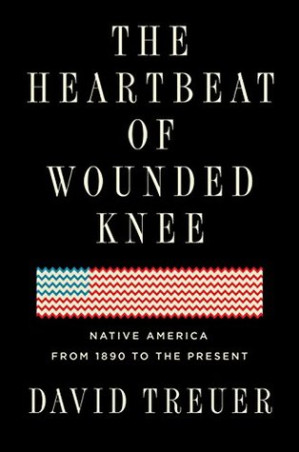
The heartbeat of Wounded Knee : native America from 1890 to the present 🔍
David Treuer
Riverhead Books; Riverhead Books, an imprint of Penguin Random House LLC, Place of publication not identified, 2019
英语 [en] · EPUB · 8.2MB · 2019 · 📘 非小说类图书 · 🚀/lgli/lgrs/nexusstc/upload/zlib · Save
描述
****A sweeping history--and counter-narrative--of Native American life from the Wounded Knee massacre to the present.****Dee Brown's 1970__Bury My Heart at Wounded Knee__was the first truly popular book of Indian history ever published. But it promulgated the impression that American Indian history essentially ended with the 1890 massacre at Wounded Knee--that not only did one hundred fifty Sioux die at the hands of the U. S. Cavalry but Native civilization did as well.Growing up Ojibwe on a reservation in Minnesota, training as an anthropologist, and researching Native life past and present for his nonfiction and novels, David Treuer uncovered a different narrative. Instead of disappearing, and despite--or perhaps because of--intense struggles to preserve their language, their culture, their very families, the story of American Indians since the end of the nineteenth century to the present is one of unprecedented growth and rebirth.In__The Heartbeat of Wounded Knee__, Treuer melds history with reportage and memoir. Beginning with the tribes' devastating loss of land and the forced assimilation of their children at government-run boarding schools, he shows how the period of greatest adversity also helped to incubate a unifying Native identity. He traces how conscription in the US military and the pull of urban life brought Indians into the mainstream and modern times, even as it steered the emerging shape of their self-rule and spawned a new generation of resistance. In addition, Treuer explores how advances in technology allowed burgeoning Indian populations across the continent to come together as never before, fostering a political force. Photographs, maps, and other visuals, from period advertisements to little-known historical photos, amplify the sense of accessing a fascinating and untold story.__The Heartbeat of Wounded Knee__is an essential, intimate history--and counter-narrative--of a resilient people in a transformative era.
备用文件名
upload/emo37c/2024-10-21/content/David Treuer - The Heartbeat of Wounded Knee (Epub)/David Treuer - The Heartbeat of Wounded Knee (Epub).epub
备用文件名
upload/newsarch_ebooks_2025_10/2019/01/22/1594633150.epub
备用文件名
nexusstc/The Heartbeat of Wounded Knee: Native America from 1890 to the Present/e1afbee16d43012ac4feb9396bd903dd.epub
备用文件名
lgli/David Treuer - The Heartbeat of Wounded Knee (retail) (epub)
备用文件名
lgli/The Heartbeat of Wounded Knee:Native America from 1890 to the Present.epub
备用文件名
lgrsnf/The Heartbeat of Wounded Knee:Native America from 1890 to the Present.epub
备用文件名
zlib/Society, Politics & Philosophy/Social Sciences/David Treuer/The Heartbeat of Wounded Knee: Native America from 1890 to the Present_3676454.epub
备选作者
Treuer, David
备用出版商
Putnam Publishing Group, The
备用出版商
Publisher not identified
备用出版商
Penguin Publishing Group
备用出版商
Hudson Street Press
备用出版商
Puffin Books
备用版本
United States, United States of America
备用版本
Illustrated, 2019
备用版本
New York, 2019
备用版本
S.I, 2019
备用版本
1, 2019
元数据中的注释
0
元数据中的注释
lg2319680
元数据中的注释
sources:
9781594633157
9781594633157
元数据中的注释
{"isbns":["1594633150","9781594633157"],"last_page":496,"publisher":"Riverhead Books"}
备用描述
FINALIST FOR THE 2019 NATIONAL BOOK AWARD
LONGLISTED FOR THE 2020 ANDREW CARNEGIE MEDAL FOR EXCELLENCE
A NEW YORK TIMES BESTSELLER
Named a best book of 2019 by The New York Times, TIME , The Washington Post , NPR , Hudson Booksellers , The New York Public Library , The Dallas Morning News, and Library Journal .
"Chapter after chapter, it's like one shattered myth after another." - NPR
"An informed, moving and kaleidoscopic portrait... Treuer's powerful book suggests the need for soul-searching about the meanings of American history and the stories we tell ourselves about this nation's past.." - New York Times Book Review , front page
A sweeping history—and counter-narrative—of Native American life from the Wounded Knee massacre to the present.
The received idea of Native American history—as promulgated by books like Dee Brown's mega-bestselling 1970 Bury My Heart at Wounded Knee— has been that American Indian history essentially ended with the 1890 massacre at Wounded Knee. Not only did one hundred fifty Sioux die at the hands of the U. S. Cavalry, the sense was, but Native civilization did as well.
Growing up Ojibwe on a reservation in Minnesota, training as an anthropologist, and researching Native life past and present for his nonfiction and novels, David Treuer has uncovered a different narrative. Because they did not disappear—and not despite but rather because of their intense struggles to preserve their language, their traditions, their families, and their very existence—the story of American Indians since the end of the nineteenth century to the present is one of unprecedented resourcefulness and reinvention.
In The Heartbeat of Wounded Knee , Treuer melds history with reportage and memoir. Tracing the tribes' distinctive cultures from first contact, he explores how the depredations of each era spawned new modes of survival. The devastating seizures of land gave rise to increasingly sophisticated legal and political maneuvering that put the lie to the myth that Indians don't know or care about property. The forced assimilation of their children at government-run boarding schools incubated a unifying Native identity. Conscription in the US military and the pull of urban life brought Indians into the mainstream and modern times, even as it steered the emerging shape of self-rule and spawned a new generation of resistance. The Heartbeat of Wounded Knee is the essential, intimate story of a resilient people in a transformative era.
LONGLISTED FOR THE 2020 ANDREW CARNEGIE MEDAL FOR EXCELLENCE
A NEW YORK TIMES BESTSELLER
Named a best book of 2019 by The New York Times, TIME , The Washington Post , NPR , Hudson Booksellers , The New York Public Library , The Dallas Morning News, and Library Journal .
"Chapter after chapter, it's like one shattered myth after another." - NPR
"An informed, moving and kaleidoscopic portrait... Treuer's powerful book suggests the need for soul-searching about the meanings of American history and the stories we tell ourselves about this nation's past.." - New York Times Book Review , front page
A sweeping history—and counter-narrative—of Native American life from the Wounded Knee massacre to the present.
The received idea of Native American history—as promulgated by books like Dee Brown's mega-bestselling 1970 Bury My Heart at Wounded Knee— has been that American Indian history essentially ended with the 1890 massacre at Wounded Knee. Not only did one hundred fifty Sioux die at the hands of the U. S. Cavalry, the sense was, but Native civilization did as well.
Growing up Ojibwe on a reservation in Minnesota, training as an anthropologist, and researching Native life past and present for his nonfiction and novels, David Treuer has uncovered a different narrative. Because they did not disappear—and not despite but rather because of their intense struggles to preserve their language, their traditions, their families, and their very existence—the story of American Indians since the end of the nineteenth century to the present is one of unprecedented resourcefulness and reinvention.
In The Heartbeat of Wounded Knee , Treuer melds history with reportage and memoir. Tracing the tribes' distinctive cultures from first contact, he explores how the depredations of each era spawned new modes of survival. The devastating seizures of land gave rise to increasingly sophisticated legal and political maneuvering that put the lie to the myth that Indians don't know or care about property. The forced assimilation of their children at government-run boarding schools incubated a unifying Native identity. Conscription in the US military and the pull of urban life brought Indians into the mainstream and modern times, even as it steered the emerging shape of self-rule and spawned a new generation of resistance. The Heartbeat of Wounded Knee is the essential, intimate story of a resilient people in a transformative era.
备用描述
The Received Idea Of Native American History--as Promulgated By Books Like Dee Brown's Mega-bestselling 1970 Bury My Heart At Wounded Knee--has Been That American Indian History Essentially Ended With The 1890 Massacre At Wounded Knee. Not Only Did One Hundred Fifty Sioux Die At The Hands Of The U. S. Cavalry, The Sense Was, But Native Civilization Did As Well. Growing Up Ojibwe On A Reservation In Minnesota, Training As An Anthropologist, And Researching Native Life Past And Present For His Nonfiction And Novels, David Treuer Has Uncovered A Different Narrative. Because They Did Not Disappear--and Not Despite But Rather Because Of Their Intense Struggles To Preserve Their Language, Their Traditions, Their Families, And Their Very Existence--the Story Of American Indians Since The End Of The Nineteenth Century To The Present Is One Of Unprecedented Resourcefulness And Reinvention. In The Heartbeat Of Wounded Knee, Treuer Melds History With Reportage And Memoir. Tracing The Tribes' Distinctive Cultures From First Contact, He Explores How The Depredations Of Each Era Spawned New Modes Of Survival. The Devastating Seizures Of Land Gave Rise To Increasingly Sophisticated Legal And Political Maneuvering That Put The Lie To The Myth That Indians Don't Know Or Care About Property. The Forced Assimilation Of Their Children At Government-run Boarding Schools Incubated A Unifying Native Identity. Conscription In The Us Military And The Pull Of Urban Life Brought Indians Into The Mainstream And Modern Times, Even As It Steered The Emerging Shape Of Self-rule And Spawned A New Generation Of Resistance. The Heartbeat Of Wounded Knee Is The Essential, Intimate Story Of A Resilient People In A Transformative Era. Narrating The Apocalypse : 10,000 Bce-1890 -- Purgatory : 1891-1934 -- Fighting Life : 1914-1945 -- Moving On Up, Termination And Relocation : 1945-1970 -- Becoming Indian : 1970-1990 -- Boom City : Tribal Capitalism In The Twenty-first Century -- Digital Indians : 1990-2018. David Treuer. Includes Bibliographical References (pages 461-488) And Index.
备用描述
A sweeping history--and counter-narrative--of Native American life from the Wounded Knee massacre to the present.
Dee Brown's 1970 Bury My Heart at Wounded Knee was the first truly popular book of Indian history ever published. But it promulgated the impression that American Indian history essentially ended with the 1890 massacre at Wounded Knee--that not only did one hundred fifty Sioux die at the hands of the U. S. Cavalry but Native civilization did as well.
Growing up Ojibwe on a reservation in Minnesota, training as an anthropologist, and researching Native life past and present for his nonfiction and novels, David Treuer uncovered a different narrative. Instead of disappearing, and despite--or perhaps because of--intense struggles to preserve their language, their culture, their very families, the story of American Indians since the end of the nineteenth century to the present is one of unprecedented growth and rebirth.
In The Heartbeat of Wounded Knee , Treuer melds history with reportage and memoir. Beginning with the tribes' devastating loss of land and the forced assimilation of their children at government-run boarding schools, he shows how the period of greatest adversity also helped to incubate a unifying Native identity. He traces how conscription in the US military and the pull of urban life brought Indians into the mainstream and modern times, even as it steered the emerging shape of their self-rule and spawned a new generation of resistance. In addition, Treuer explores how advances in technology allowed burgeoning Indian populations across the continent to come together as never before, fostering a political force. Photographs, maps, and other visuals, from period advertisements to little-known historical photos, amplify the sense of accessing a fascinating and untold story. The Heartbeat of Wounded Knee is an essential, intimate history--and counter-narrative--of a resilient people in a transformative era.
Dee Brown's 1970 Bury My Heart at Wounded Knee was the first truly popular book of Indian history ever published. But it promulgated the impression that American Indian history essentially ended with the 1890 massacre at Wounded Knee--that not only did one hundred fifty Sioux die at the hands of the U. S. Cavalry but Native civilization did as well.
Growing up Ojibwe on a reservation in Minnesota, training as an anthropologist, and researching Native life past and present for his nonfiction and novels, David Treuer uncovered a different narrative. Instead of disappearing, and despite--or perhaps because of--intense struggles to preserve their language, their culture, their very families, the story of American Indians since the end of the nineteenth century to the present is one of unprecedented growth and rebirth.
In The Heartbeat of Wounded Knee , Treuer melds history with reportage and memoir. Beginning with the tribes' devastating loss of land and the forced assimilation of their children at government-run boarding schools, he shows how the period of greatest adversity also helped to incubate a unifying Native identity. He traces how conscription in the US military and the pull of urban life brought Indians into the mainstream and modern times, even as it steered the emerging shape of their self-rule and spawned a new generation of resistance. In addition, Treuer explores how advances in technology allowed burgeoning Indian populations across the continent to come together as never before, fostering a political force. Photographs, maps, and other visuals, from period advertisements to little-known historical photos, amplify the sense of accessing a fascinating and untold story. The Heartbeat of Wounded Knee is an essential, intimate history--and counter-narrative--of a resilient people in a transformative era.
备用描述
A sweeping history and counter narrative of Native American life from the Wounded Knee massacre to the present.Dee Brown's 1970Bury My Heart at Wounded Knee was the first truly popular book of Indian history ever published. But it promulgated the impression that American Indian history essentially ended with the 1890 massacre at Wounded Knee that not only did one hundred fifty Sioux die at the hands of the U. S. Cavalry but Native civilization did as well.Growing up Ojibwe on a reservation in Minnesota, training as an anthropologist, and researching Native life past and present for his nonfiction and novels, David Treuer uncovered a different narrative. Instead of disappearing, and despite--or perhaps because of--intense struggles to preserve their language, their culture, their very families, the story of American Indians since the end of the nineteenth century to the present is one of unprecedented growth and rebirth.InThe Heartbeat of Wounded Knee, Treuer melds history with reportage and memoir. Beginning with the tribes' devastating loss of land and the forced assimilation of their children at government-run boarding schools, he shows how the period of greatest adversity also helped to incubate a unifying Native identity. He traces how conscription in the US military and the pull of urban life brought Indians into the mainstream and modern times, even as it steered the emerging shape of their self-rule and spawned a new generation of resistance. In addition, Treuer explores how advances in technology allowed burgeoning Indian populations across the continent to come together as never before, fostering a political force. Photographs, maps, and other visuals, from period advertisements to little-known historical photos, amplify the sense of accessing a fascinating and untold story. The Heartbeat of Wounded Kneeis an essential, intimate history--and counter-narrative--of a resilient people in a transformative era.
备用描述
The received idea of Native American history -- as promulgated by books like Dee Brown's 1970 mega-bestselling Bury My Heart at Wounded Knee -- has been that American Indian history essentially ended with the 1890 massacre at Wounded Knee. Not only did one hundred fifty Sioux die at the hands of the U.S. Cavalry, but Native civilization did as well. Growing up Ojibwe on a reservation in Minnesota, training as an anthropologist, and researching Native life past and present for his nonfiction and novels, David Treuer has uncovered a different narrative. Because they did not disappear -- and not despite but rather because of their intense struggles to preserve their language, their traditions, their families, and their very existence -- the story of American Indians since the end of the nineteenth century to the present is one of unprecedented resourcefulness and reinvention. Treuer melds history with reportage and memoir. Tracing the tribes' distinctive cultures from first contact, he explores how the depredations of each era spawned new modes of survival. The devastating seizures of land gave rise to increasingly sophisticated legal and political maneuvering that put the lie to the myth that Indians don't know or care about property. The forced assimilation of their children at government-run boarding schools incubated a unifying Native identity. Conscription in the U.S. military and the pull of urban life brought Indians into the mainstream and modern times, even as it steered the emerging shape of self-rule and spawned a new generation of resistance. The Heartbeat of Wounded Knee is the intimate story of a resilient people in a transformative era
备用描述
"The received idea of Native American history has been that it essentially ended with the 1890 massacre at Wounded Knee: Not only did more than 150 Sioux die at the hands of the U.S. Cavalry, but Native civilization did as well. Growing up Ojibwe on a reservation in Minnesota, training as an anthropologist, and researching Native life for his nonfiction and his novels, David Treuer began to uncover a different narrative. Not despite but rather because of American Indians' intense struggles to preserve their tribes, their cultures, and their very existence, the true story has been one of unprecedented resourcefulness and reinvention. In The Heartbeat of Wounded Knee, Treuer melds history with reportage and memoir to explore the depredations of each era spawned new modes of survival. The devastating seizures of land gave rise to increasingly sophisticated legal and political maneuvering. The forced assimilation of children at government-run boarding schools incubated a unifying Native identity. Conscription in the military and the pull of urban life brought Indians into the mainstream and at the same time steered the emerging shape of self-rule and inspired a new genertion of resistance. The Heartbeat of Wounded Knee is the essential, intimate story of a resilient people in a transformative epoch" -- Jacket
开源日期
2019-01-22
🚀 快速下载
成为会员以支持书籍、论文等的长期保存。为了感谢您对我们的支持,您将获得高速下载权益。❤️
🐢 低速下载
由可信的合作方提供。 更多信息请参见常见问题解答。 (可能需要验证浏览器——无限次下载!)
- 低速服务器(合作方提供) #1 (稍快但需要排队)
- 低速服务器(合作方提供) #2 (稍快但需要排队)
- 低速服务器(合作方提供) #3 (稍快但需要排队)
- 低速服务器(合作方提供) #4 (稍快但需要排队)
- 低速服务器(合作方提供) #5 (无需排队,但可能非常慢)
- 低速服务器(合作方提供) #6 (无需排队,但可能非常慢)
- 低速服务器(合作方提供) #7 (无需排队,但可能非常慢)
- 低速服务器(合作方提供) #8 (无需排队,但可能非常慢)
- 低速服务器(合作方提供) #9 (无需排队,但可能非常慢)
- 下载后: 在我们的查看器中打开
所有选项下载的文件都相同,应该可以安全使用。即使这样,从互联网下载文件时始终要小心。例如,确保您的设备更新及时。
外部下载
-
对于大文件,我们建议使用下载管理器以防止中断。
推荐的下载管理器:JDownloader -
您将需要一个电子书或 PDF 阅读器来打开文件,具体取决于文件格式。
推荐的电子书阅读器:Anna的档案在线查看器、ReadEra和Calibre -
使用在线工具进行格式转换。
推荐的转换工具:CloudConvert和PrintFriendly -
您可以将 PDF 和 EPUB 文件发送到您的 Kindle 或 Kobo 电子阅读器。
推荐的工具:亚马逊的“发送到 Kindle”和djazz 的“发送到 Kobo/Kindle” -
支持作者和图书馆
✍️ 如果您喜欢这个并且能够负担得起,请考虑购买原版,或直接支持作者。
📚 如果您当地的图书馆有这本书,请考虑在那里免费借阅。
下面的文字仅以英文继续。
总下载量:
“文件的MD5”是根据文件内容计算出的哈希值,并且基于该内容具有相当的唯一性。我们这里索引的所有影子图书馆都主要使用MD5来标识文件。
一个文件可能会出现在多个影子图书馆中。有关我们编译的各种数据集的信息,请参见数据集页面。
有关此文件的详细信息,请查看其JSON 文件。 Live/debug JSON version. Live/debug page.