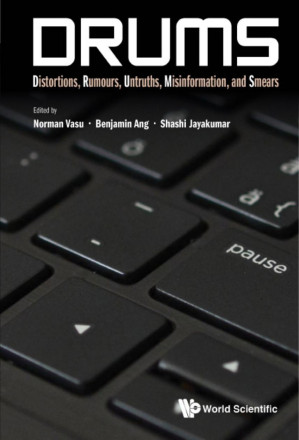
DRUMS: Distortions, Rumours, Untruths, Misinformation, and Smears (200 Pages) 🔍
Norman Vasu, Benjamin Ang and Shashi Jayakumar
2018
英语 [en] · PDF · 10.8MB · 2018 · 📗 未知类型的图书 · 🚀/upload/zlib · Save
描述
CONTENTS 6
Introduction: The Seemingly Unrelenting Beat of DRUMS 8
The DRUMS Family 10
Cognitive Predispositions and DRUMS 14
The Employment of DRUMS 16
Countering DRUMS 18
Moving Forward 21
References 22
Part 1 Cognitive Predispositions and DRUMS 24
Chapter 1 The Psychology of Conspiracy Theories: The Role of Pattern Perception 26
Conspiracism and Human Psychology 27
Illusory Pattern Perception 30
Connections and Causes 32
Conclusion 34
References 36
Chapter 2 Believing Chicken Little: Evolutionary Perspectives on Credulity and Danger 40
Introduction 40
Evidence of Negatively-Biased Credulity and Informational Negativity Bias 44
Individual Differences in Negatively-Biased Credulity 45
Parallel Hazard Biases in Information Selection and Transmission 49
Hazard Biases and the Content of Culture 50
Conclusion 51
References 53
Part 2 The Employment of DRUMS 60
Chapter 3 Fake News: The Allure of the Digital Weapon 62
Recent Information/Disinformation Wars 63
Defending Against False Information and Fake News 65
Engaging Social Media Platforms 65
Legislation 66
Counter-messaging 68
Education and Critical Thinking 69
Conclusion 70
References 70
Chapter 4 Mapping Cyberspace: The Example of Russian Informational Actions in France 72
Identifying and Mapping Pro-Russian Networks on the French-Speaking Segment of Twitter 73
An Analysis of the Propagation of Fake or Biased Information: The Example of the Days Between the Two Rounds of the 2017 French Presidential Election 78
References 83
Chapter 5 Computational Propaganda in Europe, the U.S., and China 84
The Rise of Computational Propaganda 84
Computational Propaganda in the U.S. and Europe 87
Chinese Computational Propaganda 92
Automation, Computation, and Propaganda in China 92
Computational Propaganda in and about China 94
How Does Technology and Society Enable Computational Propaganda? 96
Conclusion 100
References 101
Chapter 6 Civilians in the Information Operations Battlefront: China’s Information Operationsin the Taiwan Straits 106
Introduction 106
“Three Warfares” and the People’s War 109
Framework: ‘Three Warfares’ 110
People’s War 111
The PRC’s Use of Civilian Force in its Operations Against Taiwan 113
Media Manipulation via Media Owners, Content Creators, and Journalists 113
Influence and Espionage by Civilians in Taiwan 116
Taiwan’s Capacity to Respond 117
Allegiance Warfare 118
Political Warfare Bureau 119
Other Institutions Responsible for the PRC Affairs 120
Cyber Army and Cyber Troops 120
Digital Platforms 121
Disinformation Specific Initiatives 122
Is There Room for Improvement? 122
Integration of Citizens 123
Delivering a Consistent and Timely Message 125
Lessons for Other States 125
Understanding the Threat 125
Citizen Participation in Policy Responses 127
Mobilizing Citizens against IO 127
Citizen Participation in Responding to IO 128
References 129
Part 3 Countering DRUMS 138
Chapter 7 Integrating Resilience in Defense Planning Against Information Warfare in the Post-Truth World 140
The Fourth Dimension of Modern War 141
Understanding the Audience 144
The Receptivity Variable 148
The Need for Resilience 151
References 153
Chapter 8 What Can We Learn from Russian Hostile Information Operations in Europe? 156
Why are States Using the Hostile Foreign Influence Toolkit? 157
What are the Features of Russia’s Hostile Foreign Influence Toolkit? 158
How are Hostile Actions Defined? 160
Recent Lessons Learnt from Europe: A Case Study of 2017 German and French Elections 162
Cyber-Security Precautions are the New Black 163
A Last-Minute Fight Against Disinformation is Useless 164
It is Too Late to Get Angry Once you Get Attacked 165
Russia Learnt its Lesson, Europe Should Too 166
References 167
Chapter 9 How Germany is Trying to Counter Online Disinformation 170
Overview 170
The Lisa Case 171
Methods and Motives 172
Initiatives 174
Hoaxmap 175
Fact-Checking Initiatives 175
Legal Situation 177
Conclusion 178
References 180
Chapter 10 Distinguishing Fact from Fiction in the Modern Age 182
Educating People for a Post-Truth World 182
The Post-Truth Information Age 182
Knowledge, Skills, and Character Qualities for the Post-Truth Information Age 185
Educating for the Post-Truth Information Age 190
About the Editors 194
About the Contributors 198
Introduction: The Seemingly Unrelenting Beat of DRUMS 8
The DRUMS Family 10
Cognitive Predispositions and DRUMS 14
The Employment of DRUMS 16
Countering DRUMS 18
Moving Forward 21
References 22
Part 1 Cognitive Predispositions and DRUMS 24
Chapter 1 The Psychology of Conspiracy Theories: The Role of Pattern Perception 26
Conspiracism and Human Psychology 27
Illusory Pattern Perception 30
Connections and Causes 32
Conclusion 34
References 36
Chapter 2 Believing Chicken Little: Evolutionary Perspectives on Credulity and Danger 40
Introduction 40
Evidence of Negatively-Biased Credulity and Informational Negativity Bias 44
Individual Differences in Negatively-Biased Credulity 45
Parallel Hazard Biases in Information Selection and Transmission 49
Hazard Biases and the Content of Culture 50
Conclusion 51
References 53
Part 2 The Employment of DRUMS 60
Chapter 3 Fake News: The Allure of the Digital Weapon 62
Recent Information/Disinformation Wars 63
Defending Against False Information and Fake News 65
Engaging Social Media Platforms 65
Legislation 66
Counter-messaging 68
Education and Critical Thinking 69
Conclusion 70
References 70
Chapter 4 Mapping Cyberspace: The Example of Russian Informational Actions in France 72
Identifying and Mapping Pro-Russian Networks on the French-Speaking Segment of Twitter 73
An Analysis of the Propagation of Fake or Biased Information: The Example of the Days Between the Two Rounds of the 2017 French Presidential Election 78
References 83
Chapter 5 Computational Propaganda in Europe, the U.S., and China 84
The Rise of Computational Propaganda 84
Computational Propaganda in the U.S. and Europe 87
Chinese Computational Propaganda 92
Automation, Computation, and Propaganda in China 92
Computational Propaganda in and about China 94
How Does Technology and Society Enable Computational Propaganda? 96
Conclusion 100
References 101
Chapter 6 Civilians in the Information Operations Battlefront: China’s Information Operationsin the Taiwan Straits 106
Introduction 106
“Three Warfares” and the People’s War 109
Framework: ‘Three Warfares’ 110
People’s War 111
The PRC’s Use of Civilian Force in its Operations Against Taiwan 113
Media Manipulation via Media Owners, Content Creators, and Journalists 113
Influence and Espionage by Civilians in Taiwan 116
Taiwan’s Capacity to Respond 117
Allegiance Warfare 118
Political Warfare Bureau 119
Other Institutions Responsible for the PRC Affairs 120
Cyber Army and Cyber Troops 120
Digital Platforms 121
Disinformation Specific Initiatives 122
Is There Room for Improvement? 122
Integration of Citizens 123
Delivering a Consistent and Timely Message 125
Lessons for Other States 125
Understanding the Threat 125
Citizen Participation in Policy Responses 127
Mobilizing Citizens against IO 127
Citizen Participation in Responding to IO 128
References 129
Part 3 Countering DRUMS 138
Chapter 7 Integrating Resilience in Defense Planning Against Information Warfare in the Post-Truth World 140
The Fourth Dimension of Modern War 141
Understanding the Audience 144
The Receptivity Variable 148
The Need for Resilience 151
References 153
Chapter 8 What Can We Learn from Russian Hostile Information Operations in Europe? 156
Why are States Using the Hostile Foreign Influence Toolkit? 157
What are the Features of Russia’s Hostile Foreign Influence Toolkit? 158
How are Hostile Actions Defined? 160
Recent Lessons Learnt from Europe: A Case Study of 2017 German and French Elections 162
Cyber-Security Precautions are the New Black 163
A Last-Minute Fight Against Disinformation is Useless 164
It is Too Late to Get Angry Once you Get Attacked 165
Russia Learnt its Lesson, Europe Should Too 166
References 167
Chapter 9 How Germany is Trying to Counter Online Disinformation 170
Overview 170
The Lisa Case 171
Methods and Motives 172
Initiatives 174
Hoaxmap 175
Fact-Checking Initiatives 175
Legal Situation 177
Conclusion 178
References 180
Chapter 10 Distinguishing Fact from Fiction in the Modern Age 182
Educating People for a Post-Truth World 182
The Post-Truth Information Age 182
Knowledge, Skills, and Character Qualities for the Post-Truth Information Age 185
Educating for the Post-Truth Information Age 190
About the Editors 194
About the Contributors 198
备用文件名
zlib/no-category/Norman Vasu, Benjamin Ang and Shashi Jayakumar/DRUMS: Distortions, Rumours, Untruths, Misinformation, and Smears (200 Pages)_24784335.pdf
备选作者
Vasu Norman;Jayakumar Shashi;Ang Benjamin;
元数据中的注释
producers:
Adobe PDF Library 15.0
Adobe PDF Library 15.0
开源日期
2023-04-24
🚀 快速下载
成为会员以支持书籍、论文等的长期保存。为了感谢您对我们的支持,您将获得高速下载权益。❤️
如果您在本月捐款,您将获得双倍的快速下载次数。
🐢 低速下载
由可信的合作方提供。 更多信息请参见常见问题解答。 (可能需要验证浏览器——无限次下载!)
- 低速服务器(合作方提供) #1 (稍快但需要排队)
- 低速服务器(合作方提供) #2 (稍快但需要排队)
- 低速服务器(合作方提供) #3 (稍快但需要排队)
- 低速服务器(合作方提供) #4 (稍快但需要排队)
- 低速服务器(合作方提供) #5 (无需排队,但可能非常慢)
- 低速服务器(合作方提供) #6 (无需排队,但可能非常慢)
- 低速服务器(合作方提供) #7 (无需排队,但可能非常慢)
- 低速服务器(合作方提供) #8 (无需排队,但可能非常慢)
- 低速服务器(合作方提供) #9 (无需排队,但可能非常慢)
- 下载后: 在我们的查看器中打开
所有选项下载的文件都相同,应该可以安全使用。即使这样,从互联网下载文件时始终要小心。例如,确保您的设备更新及时。
外部下载
-
对于大文件,我们建议使用下载管理器以防止中断。
推荐的下载管理器:JDownloader -
您将需要一个电子书或 PDF 阅读器来打开文件,具体取决于文件格式。
推荐的电子书阅读器:Anna的档案在线查看器、ReadEra和Calibre -
使用在线工具进行格式转换。
推荐的转换工具:CloudConvert和PrintFriendly -
您可以将 PDF 和 EPUB 文件发送到您的 Kindle 或 Kobo 电子阅读器。
推荐的工具:亚马逊的“发送到 Kindle”和djazz 的“发送到 Kobo/Kindle” -
支持作者和图书馆
✍️ 如果您喜欢这个并且能够负担得起,请考虑购买原版,或直接支持作者。
📚 如果您当地的图书馆有这本书,请考虑在那里免费借阅。
下面的文字仅以英文继续。
总下载量:
“文件的MD5”是根据文件内容计算出的哈希值,并且基于该内容具有相当的唯一性。我们这里索引的所有影子图书馆都主要使用MD5来标识文件。
一个文件可能会出现在多个影子图书馆中。有关我们编译的各种数据集的信息,请参见数据集页面。
有关此文件的详细信息,请查看其JSON 文件。 Live/debug JSON version. Live/debug page.