upload/wll/ENTER/Visual Arts/1 - More Books on Art/Graham McFee - Understanding Dance - Routledge.pdf
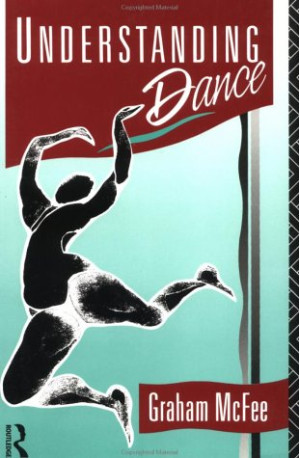
Understanding Dance 🔍
Graham McFee
Routledge, 1, 1992
英语 [en] · PDF · 2.0MB · 1992 · 📘 非小说类图书 · 🚀/lgli/lgrs/nexusstc/upload/zlib · Save
描述
This important book examines the aesthetics of dance. Philosophically rigorous, appropriately introductory, and genuinely focused, Understanding Dance provides comprehensive coverage of all the main areas surrounding dance. Features include an examination of both U.K. and U.S. ballet companies and a look at the work of critics on both sides of the Atlantic.
备用文件名
upload/wll/ENTER/Visual Arts/Understanding Dance - Graham McFee 1992.pdf
备用文件名
upload/motw_shc_2025_10/shc/Understanding Dance - Graham McFee.pdf
备用文件名
motw/Understanding Dance - Graham McFee.pdf
备用文件名
nexusstc/Understanding Dance/a38b5101679dd92134333c2123c63b6f.pdf
备用文件名
lgli/Y. dl_avaxhome 70760 _=Understanding_Dance.pdf
备用文件名
lgrsnf/Y. dl_avaxhome 70760 _=Understanding_Dance.pdf
备用文件名
zlib/Arts/Performing Arts/Graham McFee/Understanding Dance_700429.pdf
备选标题
A Dictionary of Grammatical Terms in Linguistics
备选作者
Robert Lawrence Trask
备选作者
Mcfee, Graham
备用出版商
Ashgate Publishing Limited
备用出版商
Taylor & Francis Ltd
备用出版商
Gower Publishing Ltd
备用出版商
Publisher Unknown.
备用出版商
Taylor and Francis
备用出版商
Psychology Press
备用版本
Taylor & Francis (Unlimited), New York, 2003
备用版本
United Kingdom and Ireland, United Kingdom
备用版本
Place of publication not identified, 1992
备用版本
New York, New York State, 1992
备用版本
[S.l.], United Kingdom
备用版本
1st ed, London, 2003
备用版本
New Edition, 1992
备用版本
Hoboken, 2012
备用版本
London, 1992
备用版本
PS, 1992
备用版本
2004
元数据中的注释
70760
元数据中的注释
avaxhome.ws
元数据中的注释
lg269918
元数据中的注释
producers:
Acrobat Distiller 4.0 for Windows
Acrobat Distiller 4.0 for Windows
元数据中的注释
{"edition":"1","isbns":["0203393309","020339612X","020339707X","0415078091","0415078105","9780203393307","9780203396124","9780203397077","9780415078092","9780415078108"],"last_page":355,"publisher":"Routledge"}
元数据中的注释
Memory of the World Librarian: Quintus
元数据中的注释
Includes bibliographical references (p. 328-338) and index.
备用描述
Book Cover......Page 1
Title......Page 4
Contents......Page 5
Introduction......Page 10
The project......Page 11
Style, structure and audience......Page 12
Autonomy for dance studies?......Page 14
Rigour......Page 15
Philosophy......Page 17
Acknowledgements......Page 20
Basic Concepts for Aesthetics......Page 24
Definition and 'definiteness'......Page 25
The objectivity of appreciation......Page 30
The artistic and the (merely) aesthetic......Page 47
Conclusion......Page 53
Dance as Action......Page 58
The importance of the issue......Page 59
Dance as a 'special kind of movement'......Page 60
Understanding action......Page 61
People, not machines......Page 64
Two ways of talking......Page 66
The importance of context......Page 67
Insights from the two-language view......Page 68
A technical point: defeasibility......Page 70
Conclusion......Page 74
Dance as Art......Page 76
Conventions and understanding......Page 78
An institutional account of art......Page 80
A fundamental objection to institutional theories of art......Page 83
A reply to this objection......Page 84
A diagnosis of the origin of the objection......Page 88
Digression: the 'community' view of concepts......Page 91
Outcomes of the institutional analysis......Page 93
Conclusion......Page 95
Dance as a Performing Art......Page 97
Type/token......Page 99
The creation of the type-work......Page 103
The thesis of notationality......Page 106
Interpretation and performance......Page 108
Performers' interpretations......Page 112
Further considerations......Page 113
Re-evaluation......Page 115
Variety among performances......Page 117
Conclusion......Page 119
Dance as an Object of Understanding......Page 121
Meaning, understanding and explanation......Page 122
Meaning and institutional concepts......Page 125
Two difficulties for the dance/language analogy......Page 126
Objections from structural linguistics: an example......Page 129
An area of disanalogy?......Page 131
Interpretation and performance (again)......Page 132
Conclusion......Page 134
Understanding and Dance Criticism......Page 138
Two unsatisfactory accounts of criticism: 'rules' and scrutiny......Page 140
A modest proposal for the extension of the critic's cognitive stock......Page 144
Two provisos for an account of criticism as noticing......Page 147
The restrictive proviso reconsidered......Page 149
Arbitrariness and 'reading in'......Page 151
Some criticisms of the view of criticism as noticing......Page 154
Understanding, Experience and Criticism......Page 157
Dance as an object of understanding......Page 158
The 'meaning' of dances identified with informed criticism......Page 161
Interpretation and emotional education (I)......Page 163
Interpretation and emotional education (II)......Page 166
The knowledge-base of criticism......Page 168
Conclusion......Page 169
The Point of Dance......Page 173
Purposive versus artistic justification......Page 174
Emotional education and conceptual change......Page 177
The objects of emotions......Page 180
Art and life issues......Page 182
Art works and art forms......Page 188
Two theses for an account of art......Page 191
Life issues and 'the familiar'......Page 194
Conclusion......Page 200
Style and Technique......Page 206
Two characteristics of style......Page 207
The place of technique (I)......Page 210
Four notes of caution......Page 213
Outcomes of the style/technique connection......Page 214
Condition three: psychological reality......Page 217
The place of technique (II)......Page 220
Conclusion......Page 221
Imagination and Understanding......Page 223
Imagination and perception......Page 224
Some objections considered......Page 227
Three other ideas of the imaginary......Page 229
Conclusion......Page 234
Intention and Understanding......Page 235
The public character of intention......Page 241
Choreographer's intention and Black Angels......Page 246
Expression in Dance......Page 251
Expression and artistic concepts......Page 254
Expression and understanding......Page 257
Expressive of what?......Page 263
Conclusion......Page 267
Aesthetic Education: Some Myths......Page 272
The very idea of a kinaesthetic sense......Page 273
The importance of performance......Page 282
The 'creative process'......Page 285
The very idea of an aesthetic education......Page 291
Dance and Society......Page 293
Dance as 'natural'......Page 301
An 'art-shaped hole' in the theory......Page 303
A sense of history......Page 306
Relativism and understanding......Page 310
Conclusion......Page 318
Conclusion......Page 319
Methods and a key assumption of the text......Page 320
Two fundamental principles of aesthetics......Page 322
Dance in education......Page 323
Notes......Page 324
Bibliography......Page 337
Index......Page 348
Title......Page 4
Contents......Page 5
Introduction......Page 10
The project......Page 11
Style, structure and audience......Page 12
Autonomy for dance studies?......Page 14
Rigour......Page 15
Philosophy......Page 17
Acknowledgements......Page 20
Basic Concepts for Aesthetics......Page 24
Definition and 'definiteness'......Page 25
The objectivity of appreciation......Page 30
The artistic and the (merely) aesthetic......Page 47
Conclusion......Page 53
Dance as Action......Page 58
The importance of the issue......Page 59
Dance as a 'special kind of movement'......Page 60
Understanding action......Page 61
People, not machines......Page 64
Two ways of talking......Page 66
The importance of context......Page 67
Insights from the two-language view......Page 68
A technical point: defeasibility......Page 70
Conclusion......Page 74
Dance as Art......Page 76
Conventions and understanding......Page 78
An institutional account of art......Page 80
A fundamental objection to institutional theories of art......Page 83
A reply to this objection......Page 84
A diagnosis of the origin of the objection......Page 88
Digression: the 'community' view of concepts......Page 91
Outcomes of the institutional analysis......Page 93
Conclusion......Page 95
Dance as a Performing Art......Page 97
Type/token......Page 99
The creation of the type-work......Page 103
The thesis of notationality......Page 106
Interpretation and performance......Page 108
Performers' interpretations......Page 112
Further considerations......Page 113
Re-evaluation......Page 115
Variety among performances......Page 117
Conclusion......Page 119
Dance as an Object of Understanding......Page 121
Meaning, understanding and explanation......Page 122
Meaning and institutional concepts......Page 125
Two difficulties for the dance/language analogy......Page 126
Objections from structural linguistics: an example......Page 129
An area of disanalogy?......Page 131
Interpretation and performance (again)......Page 132
Conclusion......Page 134
Understanding and Dance Criticism......Page 138
Two unsatisfactory accounts of criticism: 'rules' and scrutiny......Page 140
A modest proposal for the extension of the critic's cognitive stock......Page 144
Two provisos for an account of criticism as noticing......Page 147
The restrictive proviso reconsidered......Page 149
Arbitrariness and 'reading in'......Page 151
Some criticisms of the view of criticism as noticing......Page 154
Understanding, Experience and Criticism......Page 157
Dance as an object of understanding......Page 158
The 'meaning' of dances identified with informed criticism......Page 161
Interpretation and emotional education (I)......Page 163
Interpretation and emotional education (II)......Page 166
The knowledge-base of criticism......Page 168
Conclusion......Page 169
The Point of Dance......Page 173
Purposive versus artistic justification......Page 174
Emotional education and conceptual change......Page 177
The objects of emotions......Page 180
Art and life issues......Page 182
Art works and art forms......Page 188
Two theses for an account of art......Page 191
Life issues and 'the familiar'......Page 194
Conclusion......Page 200
Style and Technique......Page 206
Two characteristics of style......Page 207
The place of technique (I)......Page 210
Four notes of caution......Page 213
Outcomes of the style/technique connection......Page 214
Condition three: psychological reality......Page 217
The place of technique (II)......Page 220
Conclusion......Page 221
Imagination and Understanding......Page 223
Imagination and perception......Page 224
Some objections considered......Page 227
Three other ideas of the imaginary......Page 229
Conclusion......Page 234
Intention and Understanding......Page 235
The public character of intention......Page 241
Choreographer's intention and Black Angels......Page 246
Expression in Dance......Page 251
Expression and artistic concepts......Page 254
Expression and understanding......Page 257
Expressive of what?......Page 263
Conclusion......Page 267
Aesthetic Education: Some Myths......Page 272
The very idea of a kinaesthetic sense......Page 273
The importance of performance......Page 282
The 'creative process'......Page 285
The very idea of an aesthetic education......Page 291
Dance and Society......Page 293
Dance as 'natural'......Page 301
An 'art-shaped hole' in the theory......Page 303
A sense of history......Page 306
Relativism and understanding......Page 310
Conclusion......Page 318
Conclusion......Page 319
Methods and a key assumption of the text......Page 320
Two fundamental principles of aesthetics......Page 322
Dance in education......Page 323
Notes......Page 324
Bibliography......Page 337
Index......Page 348
备用描述
Arts, Language and Literature
Book Cover 1
Title 4
Contents 5
Introduction 10
The project 11
Style, structure and audience 12
Autonomy for dance studies? 14
Rigour 15
Philosophy 17
Acknowledgements 20
Basic Concepts for Aesthetics 24
Definition and 'definiteness' 25
The objectivity of appreciation 30
The artistic and the (merely) aesthetic 47
Conclusion 53
Dance as Action 58
The importance of the issue 59
Dance as a 'special kind of movement' 60
Understanding action 61
People, not machines 64
Two ways of talking 66
The importance of context 67
Insights from the two-language view 68
A technical point: defeasibility 70
Conclusion 74
Dance as Art 76
Conventions and understanding 78
An institutional account of art 80
A fundamental objection to institutional theories of art 83
A reply to this objection 84
A diagnosis of the origin of the objection 88
Digression: the 'community' view of concepts 91
Outcomes of the institutional analysis 93
Conclusion 95
Dance as a Performing Art 97
Type/token 99
The creation of the type-work 103
The thesis of notationality 106
Interpretation and performance 108
Performers' interpretations 112
Further considerations 113
Re-evaluation 115
Variety among performances 117
Conclusion 119
Dance as an Object of Understanding 121
Meaning, understanding and explanation 122
Meaning and institutional concepts 125
Two difficulties for the dance/language analogy 126
Objections from structural linguistics: an example 129
An area of disanalogy? 131
Interpretation and performance (again) 132
Conclusion 134
Understanding and Dance Criticism 138
Two unsatisfactory accounts of criticism: 'rules' and scrutiny 140
A modest proposal for the extension of the critic's cognitive stock 144
Two provisos for an account of criticism as noticing 147
The restrictive proviso reconsidered 149
Arbitrariness and 'reading in' 151
Some criticisms of the view of criticism as noticing 154
Understanding, Experience and Criticism 157
Dance as an object of understanding 158
The 'meaning' of dances identified with informed criticism 161
Interpretation and emotional education (I) 163
Interpretation and emotional education (II) 166
The knowledge-base of criticism 168
Conclusion 169
The Point of Dance 173
Purposive versus artistic justification 174
Emotional education and conceptual change 177
The objects of emotions 180
Art and life issues 182
Art works and art forms 188
Two theses for an account of art 191
Life issues and 'the familiar' 194
Conclusion 200
Style and Technique 206
Two characteristics of style 207
The place of technique (I) 210
Four notes of caution 213
Outcomes of the style/technique connection 214
Condition three: psychological reality 217
The place of technique (II) 220
Conclusion 221
Imagination and Understanding 223
Imagination and perception 224
Some objections considered 227
Three other ideas of the imaginary 229
Conclusion 234
Intention and Understanding 235
The public character of intention 241
Choreographer's intention and Black Angels 246
Expression in Dance 251
Expression and artistic concepts 254
Expression and understanding 257
Expressive of what? 263
Conclusion 267
Aesthetic Education: Some Myths 272
The very idea of a kinaesthetic sense 273
The importance of performance 282
The 'creative process' 285
The very idea of an aesthetic education 291
Dance and Society 293
Dance as 'natural' 301
An 'art-shaped hole' in the theory 303
A sense of history 306
Relativism and understanding 310
Conclusion 318
Conclusion 319
Methods and a key assumption of the text 320
Two fundamental principles of aesthetics 322
Dance in education 323
Notes 324
Bibliography 337
Index 348
Book Cover 1
Title 4
Contents 5
Introduction 10
The project 11
Style, structure and audience 12
Autonomy for dance studies? 14
Rigour 15
Philosophy 17
Acknowledgements 20
Basic Concepts for Aesthetics 24
Definition and 'definiteness' 25
The objectivity of appreciation 30
The artistic and the (merely) aesthetic 47
Conclusion 53
Dance as Action 58
The importance of the issue 59
Dance as a 'special kind of movement' 60
Understanding action 61
People, not machines 64
Two ways of talking 66
The importance of context 67
Insights from the two-language view 68
A technical point: defeasibility 70
Conclusion 74
Dance as Art 76
Conventions and understanding 78
An institutional account of art 80
A fundamental objection to institutional theories of art 83
A reply to this objection 84
A diagnosis of the origin of the objection 88
Digression: the 'community' view of concepts 91
Outcomes of the institutional analysis 93
Conclusion 95
Dance as a Performing Art 97
Type/token 99
The creation of the type-work 103
The thesis of notationality 106
Interpretation and performance 108
Performers' interpretations 112
Further considerations 113
Re-evaluation 115
Variety among performances 117
Conclusion 119
Dance as an Object of Understanding 121
Meaning, understanding and explanation 122
Meaning and institutional concepts 125
Two difficulties for the dance/language analogy 126
Objections from structural linguistics: an example 129
An area of disanalogy? 131
Interpretation and performance (again) 132
Conclusion 134
Understanding and Dance Criticism 138
Two unsatisfactory accounts of criticism: 'rules' and scrutiny 140
A modest proposal for the extension of the critic's cognitive stock 144
Two provisos for an account of criticism as noticing 147
The restrictive proviso reconsidered 149
Arbitrariness and 'reading in' 151
Some criticisms of the view of criticism as noticing 154
Understanding, Experience and Criticism 157
Dance as an object of understanding 158
The 'meaning' of dances identified with informed criticism 161
Interpretation and emotional education (I) 163
Interpretation and emotional education (II) 166
The knowledge-base of criticism 168
Conclusion 169
The Point of Dance 173
Purposive versus artistic justification 174
Emotional education and conceptual change 177
The objects of emotions 180
Art and life issues 182
Art works and art forms 188
Two theses for an account of art 191
Life issues and 'the familiar' 194
Conclusion 200
Style and Technique 206
Two characteristics of style 207
The place of technique (I) 210
Four notes of caution 213
Outcomes of the style/technique connection 214
Condition three: psychological reality 217
The place of technique (II) 220
Conclusion 221
Imagination and Understanding 223
Imagination and perception 224
Some objections considered 227
Three other ideas of the imaginary 229
Conclusion 234
Intention and Understanding 235
The public character of intention 241
Choreographer's intention and Black Angels 246
Expression in Dance 251
Expression and artistic concepts 254
Expression and understanding 257
Expressive of what? 263
Conclusion 267
Aesthetic Education: Some Myths 272
The very idea of a kinaesthetic sense 273
The importance of performance 282
The 'creative process' 285
The very idea of an aesthetic education 291
Dance and Society 293
Dance as 'natural' 301
An 'art-shaped hole' in the theory 303
A sense of history 306
Relativism and understanding 310
Conclusion 318
Conclusion 319
Methods and a key assumption of the text 320
Two fundamental principles of aesthetics 322
Dance in education 323
Notes 324
Bibliography 337
Index 348
备用描述
Understanding Danceis a comprehensive introduction to the aestethetics of dance, and will be an essential text for all those interested in dance as an object of study. Focusing on the work of a number of major choreographers, companies and critics Graham McFee explores the nature of our understanding of Dance by considering the practiceof understanding dance-works themselves. He concludes with a validation of the place of dance in society and in education. Troughout he provides detailed insights into the nature and appreciation of art as well as a general grouding in philosophy.
Understanding Dance is a comprehensive introduction to the aestethetics of dance, and will be an essential text for all those interested in dance as an object of study.
Focusing on the work of a number of major choreographers, companies and critics Graham McFee explores the nature of our understanding of Dance by considering the practice of understanding dance-works themselves. He concludes with a validation of the place of dance in society and in education. Troughout he provides detailed insights into the nature and appreciation of art as well as a general grouding in philosophy.
Understanding Dance is a comprehensive introduction to the aestethetics of dance, and will be an essential text for all those interested in dance as an object of study.
Focusing on the work of a number of major choreographers, companies and critics Graham McFee explores the nature of our understanding of Dance by considering the practice of understanding dance-works themselves. He concludes with a validation of the place of dance in society and in education. Troughout he provides detailed insights into the nature and appreciation of art as well as a general grouding in philosophy.
备用描述
Basic Concepts For Aesthetics -- Dance As Action -- Dance As Art -- Dance As A Performing Act -- Dance As An Object Of Understanding -- Understanding And Dance Criticism -- Understanding, Experience And Criticism -- The Point Of Dance -- Style And Technique -- Imagination And Understanding -- Intention And Understanding -- Expression In Dance -- Aesthetic Education: Some Myths -- Dance And Society. Graham Mcfee. Includes Bibliographical References (p. 328-344) And Index.
开源日期
2010-05-31
🚀 快速下载
成为会员以支持书籍、论文等的长期保存。为了感谢您对我们的支持,您将获得高速下载权益。❤️
如果您在本月捐款,您将获得双倍的快速下载次数。
🐢 低速下载
由可信的合作方提供。 更多信息请参见常见问题解答。 (可能需要验证浏览器——无限次下载!)
- 低速服务器(合作方提供) #1 (稍快但需要排队)
- 低速服务器(合作方提供) #2 (稍快但需要排队)
- 低速服务器(合作方提供) #3 (稍快但需要排队)
- 低速服务器(合作方提供) #4 (稍快但需要排队)
- 低速服务器(合作方提供) #5 (无需排队,但可能非常慢)
- 低速服务器(合作方提供) #6 (无需排队,但可能非常慢)
- 低速服务器(合作方提供) #7 (无需排队,但可能非常慢)
- 低速服务器(合作方提供) #8 (无需排队,但可能非常慢)
- 低速服务器(合作方提供) #9 (无需排队,但可能非常慢)
- 下载后: 在我们的查看器中打开
所有选项下载的文件都相同,应该可以安全使用。即使这样,从互联网下载文件时始终要小心。例如,确保您的设备更新及时。
外部下载
-
对于大文件,我们建议使用下载管理器以防止中断。
推荐的下载管理器:JDownloader -
您将需要一个电子书或 PDF 阅读器来打开文件,具体取决于文件格式。
推荐的电子书阅读器:Anna的档案在线查看器、ReadEra和Calibre -
使用在线工具进行格式转换。
推荐的转换工具:CloudConvert和PrintFriendly -
您可以将 PDF 和 EPUB 文件发送到您的 Kindle 或 Kobo 电子阅读器。
推荐的工具:亚马逊的“发送到 Kindle”和djazz 的“发送到 Kobo/Kindle” -
支持作者和图书馆
✍️ 如果您喜欢这个并且能够负担得起,请考虑购买原版,或直接支持作者。
📚 如果您当地的图书馆有这本书,请考虑在那里免费借阅。
下面的文字仅以英文继续。
总下载量:
“文件的MD5”是根据文件内容计算出的哈希值,并且基于该内容具有相当的唯一性。我们这里索引的所有影子图书馆都主要使用MD5来标识文件。
一个文件可能会出现在多个影子图书馆中。有关我们编译的各种数据集的信息,请参见数据集页面。
有关此文件的详细信息,请查看其JSON 文件。 Live/debug JSON version. Live/debug page.