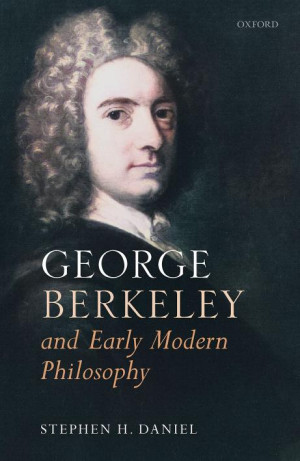
George Berkeley and Early Modern Philosophy 🔍
Stephen H. Daniel;
IRL Press at Oxford University Press, -, -, 1st, 2021
英语 [en] · PDF · 2.4MB · 2021 · 📘 非小说类图书 · 🚀/upload/zlib · Save
描述
"Stephen Daniel presents a study of the philosophy of George Berkeley in the intellectual context of his times, with a particular focus on how, for Berkeley, mind is related to its ideas. Daniel does not assume that thinkers like Descartes, Malebranche, or Locke define for Berkeley the context in which he develops his own thought. Instead, he indicates how Berkeley draws on a tradition that informed his early training and that challenges much of the early modern thought with which he is often associated. Specifically, this book indicates how Berkeley's distinctive treatment of mind (as the activity whereby objects are differentiated and related to one another) highlights how mind neither precedes the existence of objects nor exists independently of them. This distinctive way of understanding the relation of mind and objects allows Berkeley to appropriate ideas from his contemporaries in ways that transform the issues with which he is engaged. The resulting insights-for example, about how God creates the minds that perceive objects-are only now starting to be fully appreciated"-- Provided by publisher
备用文件名
zlib/Society, Politics & Philosophy/European & American Philosophy/Stephen H. Daniel/George Berkeley and Early Modern Philosophy_118303034.pdf
备选作者
Daniel, Stephen H.
备用出版商
Oxford Institute for Energy Studies
备用出版商
German Historical Institute London
备用出版商
OUP Oxford
备用版本
First edition, Oxford, United Kingdom, 2021
备用版本
United Kingdom and Ireland, United Kingdom
备用版本
Oxford University Press USA, Oxford, 2021
备用版本
1, US, 2021
元数据中的注释
producers:
Acrobat Distiller 9.4.5(Windows)
Acrobat Distiller 9.4.5(Windows)
备用描述
Cover 1
George Berkeley and Early Modern Philosophy 4
Copyright 5
Contents 6
Preface 8
Acknowledgments 10
List of Abbreviations 12
Introduction: How Berkeley’s Works Are Interpreted 14
Historiographic Presuppositions 14
A Preview of my Chapters 24
1: Berkeley’s Stoic Notion of Spiritual Substances 26
The Stoic Context 29
Mind as the Active Principle of Ideas 39
2: The Ramist Context of Berkeley’s Philosophy 50
Dialectic Discovery 51
Dialectic Disposition 59
Ramism at Berkeley’s Trinity College Dublin 64
3: Berkeley, Suárez, and the Esse–Existere Distinction 69
Suárez and Being 70
Berkeley on Spirit, Mind, Soul 76
4: Berkeley on Representation 80
Resemblance and Representation 81
Refuting the Myth of the Given 84
Particles and the Will to Differentiation 88
5: Berkeley and Descartes on Mind 93
Mind as Principle of Meaning, Not Abstract Substance 95
The Linguistic Character of Mind 99
Berkeley and Descartes on How Perception Is Active 102
Minds, Animals, and Immortality 107
6: Berkeley and Hobbes 117
Berkeley’s Interest in the Hobbes–Descartes Exchange 118
Hobbes and Berkeley on Conscience 128
7: Berkeley and Arnauld on Ideas 135
Arnauld’s “Thoughts” 136
“Spirit and Idea” in Thought: Berkeley’s Similarity to Arnauld 140
8: Berkeley and Spinoza 147
Bergson and Peirce on the Spinoza–Berkeley Connection 148
Will as the Defining Feature of Extended Substance 152
9: Berkeley’s Christian Neoplatonism and Malebranchean Divine Ideas 158
The Trinitarian Account of Mind 159
Divine Ideas and Malebranche 165
10: Berkeley and Malebranche on Human Freedom 177
The Efficacy of the Will, the Constitution of the Self 179
The Intrinsic Link between Volitions and their Effects 185
11: Berkeley and Locke’s Substance–Person Distinction 191
Berkeley’s Merging of Substance and Person 193
Locke’s Separation of Person and Substance 197
12: Berkeley’s Appropriation of Bayle’s Constitutive Skepticism 202
Bayle’s Positive Contribution 203
13: The Harmony of the Leibniz–Berkeley Juxtaposition 208
The Similarity of Stances 210
Phenomenalistic Stances 215
The Metaphysical Character of Infinite Divisibility 222
14: Berkeley on God 232
The Continuity and Passivity Arguments for God’s Existence 233
The Demonstrative Deduction of the Existence of God 239
The Inherent Infinity of Divine Perception 242
15: Berkeley’s Pantheistic Discourse 250
God as Space 252
The Subsistence of Substance 256
16: Berkeley on God’s Knowledge of Pain 263
Divine Perception 265
God’s Comprehension of Pain 268
17: Berkeley, Browne, and Collins: The Rejection of Divine Analogy 274
King and Browne 275
Berkeley’s Resolution 279
Addendum on the Supposed “New Letter by Berkeley to Browne” 281
18: Berkeley, Edwards, and Ramist Logic 286
The Substance of Idealism 288
The Ramist Displacement of Idealism 294
Appendix 1: Berkeley’s Doctrine of Mind and the “Black List Hypothesis”: A Dialogue 304
Appendix 2: How Berkeley Redefines Substance: A Reply to My Critics 316
The Bundle Theory: John Roberts 317
The Threat to Freedom: Tom Stoneham 320
The Challenge to Tradition: Talia Mae Bettcher 321
Bibliography 326
Manuscripts 344
Index 346
George Berkeley and Early Modern Philosophy 4
Copyright 5
Contents 6
Preface 8
Acknowledgments 10
List of Abbreviations 12
Introduction: How Berkeley’s Works Are Interpreted 14
Historiographic Presuppositions 14
A Preview of my Chapters 24
1: Berkeley’s Stoic Notion of Spiritual Substances 26
The Stoic Context 29
Mind as the Active Principle of Ideas 39
2: The Ramist Context of Berkeley’s Philosophy 50
Dialectic Discovery 51
Dialectic Disposition 59
Ramism at Berkeley’s Trinity College Dublin 64
3: Berkeley, Suárez, and the Esse–Existere Distinction 69
Suárez and Being 70
Berkeley on Spirit, Mind, Soul 76
4: Berkeley on Representation 80
Resemblance and Representation 81
Refuting the Myth of the Given 84
Particles and the Will to Differentiation 88
5: Berkeley and Descartes on Mind 93
Mind as Principle of Meaning, Not Abstract Substance 95
The Linguistic Character of Mind 99
Berkeley and Descartes on How Perception Is Active 102
Minds, Animals, and Immortality 107
6: Berkeley and Hobbes 117
Berkeley’s Interest in the Hobbes–Descartes Exchange 118
Hobbes and Berkeley on Conscience 128
7: Berkeley and Arnauld on Ideas 135
Arnauld’s “Thoughts” 136
“Spirit and Idea” in Thought: Berkeley’s Similarity to Arnauld 140
8: Berkeley and Spinoza 147
Bergson and Peirce on the Spinoza–Berkeley Connection 148
Will as the Defining Feature of Extended Substance 152
9: Berkeley’s Christian Neoplatonism and Malebranchean Divine Ideas 158
The Trinitarian Account of Mind 159
Divine Ideas and Malebranche 165
10: Berkeley and Malebranche on Human Freedom 177
The Efficacy of the Will, the Constitution of the Self 179
The Intrinsic Link between Volitions and their Effects 185
11: Berkeley and Locke’s Substance–Person Distinction 191
Berkeley’s Merging of Substance and Person 193
Locke’s Separation of Person and Substance 197
12: Berkeley’s Appropriation of Bayle’s Constitutive Skepticism 202
Bayle’s Positive Contribution 203
13: The Harmony of the Leibniz–Berkeley Juxtaposition 208
The Similarity of Stances 210
Phenomenalistic Stances 215
The Metaphysical Character of Infinite Divisibility 222
14: Berkeley on God 232
The Continuity and Passivity Arguments for God’s Existence 233
The Demonstrative Deduction of the Existence of God 239
The Inherent Infinity of Divine Perception 242
15: Berkeley’s Pantheistic Discourse 250
God as Space 252
The Subsistence of Substance 256
16: Berkeley on God’s Knowledge of Pain 263
Divine Perception 265
God’s Comprehension of Pain 268
17: Berkeley, Browne, and Collins: The Rejection of Divine Analogy 274
King and Browne 275
Berkeley’s Resolution 279
Addendum on the Supposed “New Letter by Berkeley to Browne” 281
18: Berkeley, Edwards, and Ramist Logic 286
The Substance of Idealism 288
The Ramist Displacement of Idealism 294
Appendix 1: Berkeley’s Doctrine of Mind and the “Black List Hypothesis”: A Dialogue 304
Appendix 2: How Berkeley Redefines Substance: A Reply to My Critics 316
The Bundle Theory: John Roberts 317
The Threat to Freedom: Tom Stoneham 320
The Challenge to Tradition: Talia Mae Bettcher 321
Bibliography 326
Manuscripts 344
Index 346
备用描述
Stephen Daniel presents a study of the philosophy of George Berkeley in the intellectual context of his times, focusing on how, for Berkeley, mind is related to its ideas. For Berkeley, mind neither precedes the existence of objects nor exists independently of them. Daniel shows how Berkeley transformed the issues with which he engaged.
开源日期
2025-06-09
🚀 快速下载
成为会员以支持书籍、论文等的长期保存。为了感谢您对我们的支持,您将获得高速下载权益。❤️
🐢 低速下载
由可信的合作方提供。 更多信息请参见常见问题解答。 (可能需要验证浏览器——无限次下载!)
- 低速服务器(合作方提供) #1 (稍快但需要排队)
- 低速服务器(合作方提供) #2 (稍快但需要排队)
- 低速服务器(合作方提供) #3 (稍快但需要排队)
- 低速服务器(合作方提供) #4 (稍快但需要排队)
- 低速服务器(合作方提供) #5 (无需排队,但可能非常慢)
- 低速服务器(合作方提供) #6 (无需排队,但可能非常慢)
- 低速服务器(合作方提供) #7 (无需排队,但可能非常慢)
- 低速服务器(合作方提供) #8 (无需排队,但可能非常慢)
- 低速服务器(合作方提供) #9 (无需排队,但可能非常慢)
- 下载后: 在我们的查看器中打开
所有选项下载的文件都相同,应该可以安全使用。即使这样,从互联网下载文件时始终要小心。例如,确保您的设备更新及时。
外部下载
-
对于大文件,我们建议使用下载管理器以防止中断。
推荐的下载管理器:JDownloader -
您将需要一个电子书或 PDF 阅读器来打开文件,具体取决于文件格式。
推荐的电子书阅读器:Anna的档案在线查看器、ReadEra和Calibre -
使用在线工具进行格式转换。
推荐的转换工具:CloudConvert和PrintFriendly -
您可以将 PDF 和 EPUB 文件发送到您的 Kindle 或 Kobo 电子阅读器。
推荐的工具:亚马逊的“发送到 Kindle”和djazz 的“发送到 Kobo/Kindle” -
支持作者和图书馆
✍️ 如果您喜欢这个并且能够负担得起,请考虑购买原版,或直接支持作者。
📚 如果您当地的图书馆有这本书,请考虑在那里免费借阅。
下面的文字仅以英文继续。
总下载量:
“文件的MD5”是根据文件内容计算出的哈希值,并且基于该内容具有相当的唯一性。我们这里索引的所有影子图书馆都主要使用MD5来标识文件。
一个文件可能会出现在多个影子图书馆中。有关我们编译的各种数据集的信息,请参见数据集页面。
有关此文件的详细信息,请查看其JSON 文件。 Live/debug JSON version. Live/debug page.