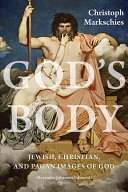
lgli/Christoph Markschies - God's Body: Jewish, Christian, and Pagan Images of God (2019, Baylor University Press).pdf
God's Body: Jewish, Christian, and Pagan Images of God 🔍
Christoph Markschies, Alexander Johannes Edmonds
Baylor University Press, Waco, Texas, 2019
英语 [en] · PDF · 10.5MB · 2019 · 📘 非小说类图书 · 🚀/lgli/zlib · Save
描述
God Is Unbounded. God Became Flesh. While These Two Assertions Are Equally Viable Parts Of Western Christian Religious Heritage, They Stand In Tension With One Another. Fearful Of Reducing God's Majesty With Shallow Anthropomorphisms, Philosophy And Religion Affirm That God, As An Eternal Being, Stands Wholly Apart From Creation. Yet The Legacy Of The Incarnation Complicates This View Of The Incorporeal Divine, Affirming A Very Different Image Of God In Physical Embodiment. While For Many Today The Idea Of An Embodied God Seems Simplistic--even Pedestrian--christoph Markschies Reveals That In Antiquity, The Educated And Uneducated Alike Subscribed To This Very Idea. More Surprisingly, The Idea That God Had A Body Was Held By Both Polytheists And Monotheists. Platonic Misgivings About Divine Corporeality Entered The Church Early On, But It Was Only With The Advent Of Medieval Scholasticism That The Idea That God Has A Body Became Scandalous, An Idea Still Lingering Today. In God's Body Markschies Traces The Shape Of The Divine Form In Late Antiquity. This Exploration Follows The Development Of Ideas Of God's Corporeality In Jewish And Greco-roman Traditions. In Antiquity, Gods Were Often Like Humans, Which Proved To Be Important For Philosophical Reflection And For Worship. Markschies Considers How A Cultic Environment Nurtured, And Transformed, Jewish And Christian Descriptions Of The Divine, As Well As How Philosophical Debates Over The Connection Of Body And Soul In Humanity Provided A Conceptual Framework For Imagining God. Markschies Probes The Connections Between This Lively Culture Of Religious Practice And Philosophical Speculation And The Christological Formulations Of The Church To Discover How The Dichotomy Of An Incarnate God And A Fleshless God Came To Be. By Studying The Religious And Cultural Past, Markschies Reveals A Jewish And Christian Heritage Alien To Modern Sensibilities, As Well As A God Who Is Less Alien To The Human Experience Than Much Of Western Thought Has Imagined. Since The Almighty God Who Made All Creation Has Also Lived In That Creation, The Biblical Idea Of Humankind As Image Of God Should Be Taken Seriously And Not Restricted To The Conceptual World But Rather Applied To The Whole Person.
备用文件名
zlib/Religion & Spirituality/Religious Studies/Christoph Markschies/God's Body: Jewish, Christian, and Pagan Images of God_19162131.pdf
备选作者
Markschies, Christoph
备用版本
United States, United States of America
备用版本
1, Waco, 2019
备用版本
PS, 2019
备用描述
"In God’s Body Markschies traces the shape of the divine form in late antiquity. This exploration follows the development of ideas of God’s corporeality in Jewish and Greco-Roman traditions. In antiquity, gods were often like humans, which proved to be important for philosophical reflection and for worship. Markschies considers how a cultic environment nurtured, and transformed, Jewish and Christian descriptions of the divine, as well as how philosophical debates over the connection of body and soul in humanity provided a conceptual framework for imagining God. Markschies probes the connections between this lively culture of religious practice and philosophical speculation and the christological formulations of the church to discover how the dichotomy of an incarnate God and a fleshless God came to be. By studying the religious and cultural past, Markschies reveals a Jewish and Christian heritage alien to modern sensibilities, as well as a God who is less alien to the human experience than much of Western thought has imagined. Since the almighty God who made all creation has also lived in that creation, the biblical idea of humankind as image of God should be taken seriously and not restricted to the conceptual world but rather applied to the whole person."-- Provided by publisher
备用描述
"Explores conceptions of the corporeality of God in antique Western theology, mysticism, and philosophy"-- Provided by publisher
开源日期
2022-02-09
🚀 快速下载
成为会员以支持书籍、论文等的长期保存。为了感谢您对我们的支持,您将获得高速下载权益。❤️
🐢 低速下载
由可信的合作方提供。 更多信息请参见常见问题解答。 (可能需要验证浏览器——无限次下载!)
- 低速服务器(合作方提供) #1 (稍快但需要排队)
- 低速服务器(合作方提供) #2 (稍快但需要排队)
- 低速服务器(合作方提供) #3 (稍快但需要排队)
- 低速服务器(合作方提供) #4 (稍快但需要排队)
- 低速服务器(合作方提供) #5 (无需排队,但可能非常慢)
- 低速服务器(合作方提供) #6 (无需排队,但可能非常慢)
- 低速服务器(合作方提供) #7 (无需排队,但可能非常慢)
- 低速服务器(合作方提供) #8 (无需排队,但可能非常慢)
- 低速服务器(合作方提供) #9 (无需排队,但可能非常慢)
- 下载后: 在我们的查看器中打开
所有选项下载的文件都相同,应该可以安全使用。即使这样,从互联网下载文件时始终要小心。例如,确保您的设备更新及时。
外部下载
-
对于大文件,我们建议使用下载管理器以防止中断。
推荐的下载管理器:JDownloader -
您将需要一个电子书或 PDF 阅读器来打开文件,具体取决于文件格式。
推荐的电子书阅读器:Anna的档案在线查看器、ReadEra和Calibre -
使用在线工具进行格式转换。
推荐的转换工具:CloudConvert和PrintFriendly -
您可以将 PDF 和 EPUB 文件发送到您的 Kindle 或 Kobo 电子阅读器。
推荐的工具:亚马逊的“发送到 Kindle”和djazz 的“发送到 Kobo/Kindle” -
支持作者和图书馆
✍️ 如果您喜欢这个并且能够负担得起,请考虑购买原版,或直接支持作者。
📚 如果您当地的图书馆有这本书,请考虑在那里免费借阅。
下面的文字仅以英文继续。
总下载量:
“文件的MD5”是根据文件内容计算出的哈希值,并且基于该内容具有相当的唯一性。我们这里索引的所有影子图书馆都主要使用MD5来标识文件。
一个文件可能会出现在多个影子图书馆中。有关我们编译的各种数据集的信息,请参见数据集页面。
有关此文件的详细信息,请查看其JSON 文件。 Live/debug JSON version. Live/debug page.