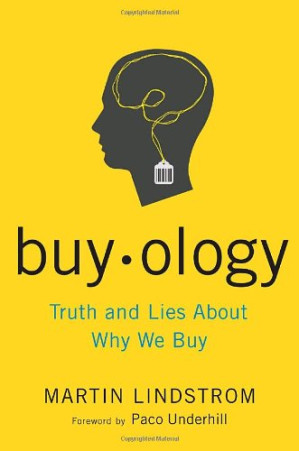
Buy ology : truth and lies about why we buy 🔍
Martin Lindstrom; Paco Underhill
Crown Currency, 1st, First Edition, PS, 2008
英语 [en] · PDF · 0.8MB · 2008 · 📘 非小说类图书 · 🚀/duxiu/lgli/lgrs/nexusstc/upload/zlib · Save
描述
It was a brisk September night. I was unprepared for the weather that day, wearing only a tan cashmere sweater underneath my sports jacket. I was still cold from the walk from my hotel to the pier as I boarded the crowded cruise ship on which I was going to meet Martin Lindstrom for the first time. He had spoken that day at a food service conference held by the Gottlieb Duttweiler Institute, the venerable Swiss think tank, and David Bosshart, the conference organizer, was eager for us to meet. I had never heard of Martin before. We moved in different circles. However, I had seen BRANDchild, Martin's latest book, in the JFK airport bookstore before I flew into Zurich.
Anyone seeing Martin from twenty feet away might mistake him for someone's fourteen-year-old son, being dragged reluctantly to meeting after meeting with his father's overweight graying business associates. The second impression is that somehow this slight blond creature has just stepped into the spotlight-you wait for the light to fade, but it doesn't. Like a Pre-Raphaelite painting there is a glow that emanates from Martin as if he was destined to be on stage. No, not as a matinee idol, but as some god waif. The man exudes virtue. Close up, he is even more startling. I've never met anyone with such wise eyes set in such a youthful face. The touch of gray and the slightly crooked teeth give him a unique visual file:///D:/000004/Buy\_\_ology.html 2 of 83 08/08/2009 10:45
signature. If he weren't a business and branding guru, you might ask him for an autographed picture or offer him a sweater. I don't think we exchanged more than ten words that night seven years ago. But it was the start of a personal and professional friendship that has stretched across five continents. From Sydney to Copenhagen, from Tokyo to New York, we conspire to make our paths cross. Laughter, discussion, mutual council-it has been a unique pleasure. Martin spends three hundred nights a year on the road. I don't have it that bad, but after a certain point you stop counting the strange pillows and discarded flight coupons and just enter into the comradeship of road warriors.
Martin watches, listens, and processes. The bio on his Web site says he started his advertising career at age twelve. I find that less interesting than the fact that at about the same age his parents pulled him out of school, hopped on a sailboat and went around the world. I know that at age twelve I couldn't have lived on a ten-meter boat for two years with my parents. Martin says he still gets seasick and chooses to live in Sydney, which is about as far away from his native Denmark as you can get.
In the world of learned discourse what is fun is finding yourself sharing opinions with people whose pathway to that point of view has been different from yours. It's both a form of validation and a reality check. In my career as an anthropologist of shopping, I haven't always seen eye to eye with advertisers and marketers. For one, I have a fundamental distrust of the twentieth-century fascination with branding; I don't own shirts with alligators or polo players on them and I rip the labels off the outside of my jeans. In fact, I think companies should pay me for the privilege of putting their logo on my chest, not the other way around. So it's a bit strange for me to find myself in the same pulpit with someone who is passionate about branding and believes that advertising is actually a virtuous endeavor, not just a necessary evil. What we share is the belief that the tools for understanding why we do what we do, whether it's in shops, hotels, airports, or online, need to be reinvented.
Through the end of the twentieth century merchants and marketers had two ways of examining the efficacy of their efforts. First was tracking sales. What are people buying and what can we ascertain from their purchase patterns? I call it the view from the cash register. The problem is that it validates your victories and losses without really explaining why they're happening. So they bought Jif peanut butter, even though Skippy was on sale.
The second tool was the traditional market research process of asking questions. We can stop people as they stroll down the concourse of the mall, we can call them up on the phone, we can invite them to a focus group or ask them to join an Internet panel. I know from long experience that what people say they do and what they actually do are different. It does not mean that those two tools are not functional, just that they are limited. Just as advertising and branding still work-but they don't work the same way they used to.
The problem was that we are better at collecting data than doing anything with it. In the nineties the offices of many market researchers were stacked with printouts, whether on television ratings and viewing, scanner data from sales research, or the results of thousands of phone interviews. We learned that soccer moms between the ages of 28 and 32, driving late model minivans and living in small towns, prefer Jif two to one over Skippy. What do we do with the information? As one cynical friend suggested, we are looking to get beyond the so what, big deal, and what-can-I-do-with-this information test.
Science and marketing have historically had a love-hate relationship. In the 1950s academicians ventured out of their ivory towers and began collaborating with advertising agencies. Vance Packard's seminal book The Hidden Persuaders describes that golden era that lasted less than a decade. Making moms feel good about feeding their children Jell-O, or deconstructing why a sexy sports car in the front of the Ford dealership sold Plain Jane sedans off the back lot. Much of it was simple and logical. Applying it was easy with three major television channels and roughly a dozen popular magazines. The relationship started unraveling when stuff just went wrong. In the fifties, in spite of the best brains and a very healthy marketing budget, the Edsel flopped. Thirty years later New Coke tanked.
For the past three decades the science in market research was more about higher math than psychology. Statistical relevance, sample size, standard deviation, Z-tests and T-tests and so on. The absolutes of math are somehow safer. I like to think that the modern market researcher is in the business of making his clients better gamblers by seeking to cut the odds. Call it a cross between scientist and crystal ball reader: someone fast enough to get it right and with enough gift of gab to tell a believable story.
In this volume, Martin, who has spent the past ten years developing new research tools, steps off into file:///D:/000004/Buy\_\_ology.html 3 of 83 08/08/2009 10:45
neuromarketing. This book is about the new confluence of medical knowledge and technology and marketing, where we add the ability to scan the brain as a way of understanding brain stimulations. What part of the brain reacts to the Coca-Cola logo? How do we understand what part of sex sells? I guarantee you, it's an enjoyable and informative ride. From fishing villages in Japan to locked corporate boardrooms in Paris to a medical laboratory in Oxford, England, Martin has a treasure chest of fascinating insights to impart and stories to tell. And whatever your feelings about brands and branding-or whether you have any feelings on the subject at all-he'll keep you wanting more.
Will we be able to watch sexual stimulus migrate to different parts of the brain as procreation and pleasure get further unhooked? Stand back, Michael Crichton-this isn't the science fiction of time machines or nano-technology run amok. It is Martin Lindstrom and he's got another great book.
Anyone seeing Martin from twenty feet away might mistake him for someone's fourteen-year-old son, being dragged reluctantly to meeting after meeting with his father's overweight graying business associates. The second impression is that somehow this slight blond creature has just stepped into the spotlight-you wait for the light to fade, but it doesn't. Like a Pre-Raphaelite painting there is a glow that emanates from Martin as if he was destined to be on stage. No, not as a matinee idol, but as some god waif. The man exudes virtue. Close up, he is even more startling. I've never met anyone with such wise eyes set in such a youthful face. The touch of gray and the slightly crooked teeth give him a unique visual file:///D:/000004/Buy\_\_ology.html 2 of 83 08/08/2009 10:45
signature. If he weren't a business and branding guru, you might ask him for an autographed picture or offer him a sweater. I don't think we exchanged more than ten words that night seven years ago. But it was the start of a personal and professional friendship that has stretched across five continents. From Sydney to Copenhagen, from Tokyo to New York, we conspire to make our paths cross. Laughter, discussion, mutual council-it has been a unique pleasure. Martin spends three hundred nights a year on the road. I don't have it that bad, but after a certain point you stop counting the strange pillows and discarded flight coupons and just enter into the comradeship of road warriors.
Martin watches, listens, and processes. The bio on his Web site says he started his advertising career at age twelve. I find that less interesting than the fact that at about the same age his parents pulled him out of school, hopped on a sailboat and went around the world. I know that at age twelve I couldn't have lived on a ten-meter boat for two years with my parents. Martin says he still gets seasick and chooses to live in Sydney, which is about as far away from his native Denmark as you can get.
In the world of learned discourse what is fun is finding yourself sharing opinions with people whose pathway to that point of view has been different from yours. It's both a form of validation and a reality check. In my career as an anthropologist of shopping, I haven't always seen eye to eye with advertisers and marketers. For one, I have a fundamental distrust of the twentieth-century fascination with branding; I don't own shirts with alligators or polo players on them and I rip the labels off the outside of my jeans. In fact, I think companies should pay me for the privilege of putting their logo on my chest, not the other way around. So it's a bit strange for me to find myself in the same pulpit with someone who is passionate about branding and believes that advertising is actually a virtuous endeavor, not just a necessary evil. What we share is the belief that the tools for understanding why we do what we do, whether it's in shops, hotels, airports, or online, need to be reinvented.
Through the end of the twentieth century merchants and marketers had two ways of examining the efficacy of their efforts. First was tracking sales. What are people buying and what can we ascertain from their purchase patterns? I call it the view from the cash register. The problem is that it validates your victories and losses without really explaining why they're happening. So they bought Jif peanut butter, even though Skippy was on sale.
The second tool was the traditional market research process of asking questions. We can stop people as they stroll down the concourse of the mall, we can call them up on the phone, we can invite them to a focus group or ask them to join an Internet panel. I know from long experience that what people say they do and what they actually do are different. It does not mean that those two tools are not functional, just that they are limited. Just as advertising and branding still work-but they don't work the same way they used to.
The problem was that we are better at collecting data than doing anything with it. In the nineties the offices of many market researchers were stacked with printouts, whether on television ratings and viewing, scanner data from sales research, or the results of thousands of phone interviews. We learned that soccer moms between the ages of 28 and 32, driving late model minivans and living in small towns, prefer Jif two to one over Skippy. What do we do with the information? As one cynical friend suggested, we are looking to get beyond the so what, big deal, and what-can-I-do-with-this information test.
Science and marketing have historically had a love-hate relationship. In the 1950s academicians ventured out of their ivory towers and began collaborating with advertising agencies. Vance Packard's seminal book The Hidden Persuaders describes that golden era that lasted less than a decade. Making moms feel good about feeding their children Jell-O, or deconstructing why a sexy sports car in the front of the Ford dealership sold Plain Jane sedans off the back lot. Much of it was simple and logical. Applying it was easy with three major television channels and roughly a dozen popular magazines. The relationship started unraveling when stuff just went wrong. In the fifties, in spite of the best brains and a very healthy marketing budget, the Edsel flopped. Thirty years later New Coke tanked.
For the past three decades the science in market research was more about higher math than psychology. Statistical relevance, sample size, standard deviation, Z-tests and T-tests and so on. The absolutes of math are somehow safer. I like to think that the modern market researcher is in the business of making his clients better gamblers by seeking to cut the odds. Call it a cross between scientist and crystal ball reader: someone fast enough to get it right and with enough gift of gab to tell a believable story.
In this volume, Martin, who has spent the past ten years developing new research tools, steps off into file:///D:/000004/Buy\_\_ology.html 3 of 83 08/08/2009 10:45
neuromarketing. This book is about the new confluence of medical knowledge and technology and marketing, where we add the ability to scan the brain as a way of understanding brain stimulations. What part of the brain reacts to the Coca-Cola logo? How do we understand what part of sex sells? I guarantee you, it's an enjoyable and informative ride. From fishing villages in Japan to locked corporate boardrooms in Paris to a medical laboratory in Oxford, England, Martin has a treasure chest of fascinating insights to impart and stories to tell. And whatever your feelings about brands and branding-or whether you have any feelings on the subject at all-he'll keep you wanting more.
Will we be able to watch sexual stimulus migrate to different parts of the brain as procreation and pleasure get further unhooked? Stand back, Michael Crichton-this isn't the science fiction of time machines or nano-technology run amok. It is Martin Lindstrom and he's got another great book.
备用文件名
upload/emo37c/2024-10-21/content/Martin Lindstrom--Buyology.pdf
备用文件名
lgli/D:\!genesis\library.nu\36\_34932.36b7159ec2b131239d620e617c6964f8.pdf
备用文件名
lgrsnf/D:\!genesis\library.nu\36\_34932.36b7159ec2b131239d620e617c6964f8.pdf
备用文件名
nexusstc/Buyology: Truth and Lies About Why We Buy/36b7159ec2b131239d620e617c6964f8.pdf
备用文件名
zlib/Business & Economics/Martin Lindstrom/Buyology: Truth and Lies About Why We Buy_972439.pdf
备选标题
Buyology: Truth and Lies About Why We Buy and the New Science of Desire
备选标题
Buyology: увлекательное путешествие в мозг современного потребителя
备选标题
Buy ology : how everything we believe about why we buy is wrong
备选标题
Buyology: the new science of why we buy
备选标题
file:///D:/000004/Buy__olog...
备选作者
Мартин Линдстром; [пер. с англ. Е. Фалюк]
备选作者
file:///D:/000004/Buy__olog...
备选作者
Forward by Paco Underhill
备选作者
by Martin Lindstrom
备选作者
Lindström, Martin
备选作者
Lindstrom, Martin
备选作者
Линдстром, Мартин
备选作者
Martin Lindström
备选作者
nuwan
备用出版商
Bantam Doubleday Dell Books for Young Readers
备用出版商
Random House, Incorporated
备用出版商
RH Business Books
备用出版商
Delacorte Press
备用出版商
Эксмо
备用版本
Мартин Линдстром: маркетинг, Москва, Russia, 2010
备用版本
Мартин Линдстром: маркетинг, Москва, Russia, 2009
备用版本
Penguin Random House LLC, New York, 2008
备用版本
United States, United States of America
备用版本
New York, New York State, 2008
备用版本
1st ed, New York, ©2008
备用版本
Pbk. ed, London, 2009
备用版本
New York, USA, 2008
备用版本
New York, cop. 2008
元数据中的注释
до 2011-01
元数据中的注释
lg548055
元数据中的注释
producers:
doPDF Ver 5.3 Build 249 (Windows XP)
doPDF Ver 5.3 Build 249 (Windows XP)
元数据中的注释
{"content":{"parsed_at":1715233826,"parser":{"name":"textparser","version":"0.1.129"},"source":{"name":"grobid","version":"0.8.0"}},"edition":"1","isbns":["0385523882","9780385523882"],"last_page":83}
元数据中的注释
Includes bibliographical references (p. 217-229) and index.
元数据中的注释
topic: Neuromarketing; Consumer behavior; Shopping; Marketing
元数据中的注释
Type: 英文图书
元数据中的注释
Bookmarks:
1. (p11) FOREWORD PACO UNDERHILL
2. (p19) INTRODUCTION
3. (p25) 1 A RUSH OF BLOOD TO THE HEAD THE LARGEST NEUROMARKETING STUDY EVER CONDUCTED
4. (p55) 2 THIS MUST BE THE PLACE PRODUCT PLACEMENT, AMERICAN IDOL, AND FORD'S MULTIMILLION-DOLLAR MISTAKE
5. (p71) 3 I'LL HAVE WHAT SHE'S HAVING MIRROR NEURONS AT WORK
6. (p86) 4 I CAN'T SEE CLEARLY NOW SUBLIMINAL MESSAGING, ALIVE AND WELL
7. (p106) 5 DO YOU BELIEVE IN MAGIC? RITUAL, SUPERSTITION, AND WHY WE BUY
8. (p125) 6 I SAY A LITTLE PRAYER FAITH, RELIGION, AND BRANDS
9. (p146) 7 WHY DID I CHOOSE YOU? THE POWER OF SOMATIC MARKERS
10. (p159) 8 A SENSE OF WONDER SELLING TO OUR SENSES
11. (p184) 9 AND THE ANSWER IS...NEUROMARKETING AND PREDICTING THE FUTURE
12. (p195) 10 LET'S SPEND THE NIGHT TOGETHER SEX IN ADVERTISING
13. (p212) 11 CONCLUSION BRAND NEW DAY
14. (p225) APPENDIX
15. (p229) ACKNOWLEDGMENTS
16. (p235) NOTES
17. (p243) BIBLIOGRAPHY
18. (p249) INDEX
1. (p11) FOREWORD PACO UNDERHILL
2. (p19) INTRODUCTION
3. (p25) 1 A RUSH OF BLOOD TO THE HEAD THE LARGEST NEUROMARKETING STUDY EVER CONDUCTED
4. (p55) 2 THIS MUST BE THE PLACE PRODUCT PLACEMENT, AMERICAN IDOL, AND FORD'S MULTIMILLION-DOLLAR MISTAKE
5. (p71) 3 I'LL HAVE WHAT SHE'S HAVING MIRROR NEURONS AT WORK
6. (p86) 4 I CAN'T SEE CLEARLY NOW SUBLIMINAL MESSAGING, ALIVE AND WELL
7. (p106) 5 DO YOU BELIEVE IN MAGIC? RITUAL, SUPERSTITION, AND WHY WE BUY
8. (p125) 6 I SAY A LITTLE PRAYER FAITH, RELIGION, AND BRANDS
9. (p146) 7 WHY DID I CHOOSE YOU? THE POWER OF SOMATIC MARKERS
10. (p159) 8 A SENSE OF WONDER SELLING TO OUR SENSES
11. (p184) 9 AND THE ANSWER IS...NEUROMARKETING AND PREDICTING THE FUTURE
12. (p195) 10 LET'S SPEND THE NIGHT TOGETHER SEX IN ADVERTISING
13. (p212) 11 CONCLUSION BRAND NEW DAY
14. (p225) APPENDIX
15. (p229) ACKNOWLEDGMENTS
16. (p235) NOTES
17. (p243) BIBLIOGRAPHY
18. (p249) INDEX
元数据中的注释
theme: Neuromarketing; Consumer behavior; Shopping; Marketing
元数据中的注释
Пер.: Lindstrom, Martin Buyology 978-0-385-52388-2
元数据中的注释
РГБ
元数据中的注释
Russian State Library [rgb] MARC:
=001 004643437
=005 20100601114612.0
=008 100511s2010\\\\ru\\\\\\\\\\\\000\|\rus|d
=017 \\ $a 10-32184
=020 \\ $a 978-5-699-41843-5
=040 \\ $a RuMoRKP $b rus $e rcr $d RuMoRGB
=041 1\ $a rus $h eng
=080 \\ $a 339.138
=084 \\ $a Ю959.91-996с,0 $2 rubbk
=100 1\ $a Линдстром, Мартин $d 1970-
=245 00 $a Buyology : $b увлекательное путешествие в мозг современного потребителя $c Мартин Линдстром ; [пер. с англ. Е. Фалюк]
=260 \\ $a Москва $b Эксмо $c 2010
=300 \\ $a 235, [1] с. $b ил. $c 20 см
=490 0\ $a Мартин Линдстром: маркетинг
=534 \\ $p Пер.: $a Lindstrom, Martin $t Buyology $z 978-0-385-52388-2
=650 \7 $a Психология -- Социальная (общественная) психология -- Социально-психологические проблемы экономической психологии -- Социально-психологические проблемы психологии обслуживания и торговли -- Спрос, потребление, мода, вкусы и оценки различных социальных групп населения. Их изучение -- Методика и техника научно-исследовательской работы в области психологии $2 rubbk
=852 \\ $a РГБ $b FB $j 2 10-33/124 $x 90
=001 004643437
=005 20100601114612.0
=008 100511s2010\\\\ru\\\\\\\\\\\\000\|\rus|d
=017 \\ $a 10-32184
=020 \\ $a 978-5-699-41843-5
=040 \\ $a RuMoRKP $b rus $e rcr $d RuMoRGB
=041 1\ $a rus $h eng
=080 \\ $a 339.138
=084 \\ $a Ю959.91-996с,0 $2 rubbk
=100 1\ $a Линдстром, Мартин $d 1970-
=245 00 $a Buyology : $b увлекательное путешествие в мозг современного потребителя $c Мартин Линдстром ; [пер. с англ. Е. Фалюк]
=260 \\ $a Москва $b Эксмо $c 2010
=300 \\ $a 235, [1] с. $b ил. $c 20 см
=490 0\ $a Мартин Линдстром: маркетинг
=534 \\ $p Пер.: $a Lindstrom, Martin $t Buyology $z 978-0-385-52388-2
=650 \7 $a Психология -- Социальная (общественная) психология -- Социально-психологические проблемы экономической психологии -- Социально-психологические проблемы психологии обслуживания и торговли -- Спрос, потребление, мода, вкусы и оценки различных социальных групп населения. Их изучение -- Методика и техника научно-исследовательской работы в области психологии $2 rubbk
=852 \\ $a РГБ $b FB $j 2 10-33/124 $x 90
元数据中的注释
Russian State Library [rgb] MARC:
=001 004401749
=005 20091211130614.0
=008 091012s2009\\\\ru\\\\\\\\\\\\000\|\rus|d
=017 \\ $a 09-81421
=020 \\ $a 978-5-699-33849-8 (в пер.)
=040 \\ $a RuMoRKP $b rus $e rcr $d RuMoRGB
=041 1\ $a rus $h eng
=080 \\ $a 339.138:159.98
=084 \\ $a Ю959.91,0 $2 rubbk
=100 1\ $a Линдстром, Мартин $d 1970-
=245 10 $a Buyology : $b увлекательное путешествие в мозг современного потребителя $c Мартин Линдстром ; [пер. с англ. Е. Фалюк]
=260 \\ $a Москва $b Эксмо $c 2009
=300 \\ $a 235, [1] с. $c 21 см
=490 0\ $a Мартин Линдстром: маркетинг
=534 \\ $p Пер.: $a Lindstrom, Martin $t Buyology $z 978-0-385-52388-2
=650 \7 $a Психология -- Социальная (общественная) психология -- Социально-психологические проблемы экономической психологии -- Социально-психологические проблемы психологии обслуживания и торговли $2 rubbk
=852 \\ $a РГБ $b FB $j 2 09-73/327 $x 90
=852 \\ $a РГБ $b FB $j 2 09-73/326 $x 90
=001 004401749
=005 20091211130614.0
=008 091012s2009\\\\ru\\\\\\\\\\\\000\|\rus|d
=017 \\ $a 09-81421
=020 \\ $a 978-5-699-33849-8 (в пер.)
=040 \\ $a RuMoRKP $b rus $e rcr $d RuMoRGB
=041 1\ $a rus $h eng
=080 \\ $a 339.138:159.98
=084 \\ $a Ю959.91,0 $2 rubbk
=100 1\ $a Линдстром, Мартин $d 1970-
=245 10 $a Buyology : $b увлекательное путешествие в мозг современного потребителя $c Мартин Линдстром ; [пер. с англ. Е. Фалюк]
=260 \\ $a Москва $b Эксмо $c 2009
=300 \\ $a 235, [1] с. $c 21 см
=490 0\ $a Мартин Линдстром: маркетинг
=534 \\ $p Пер.: $a Lindstrom, Martin $t Buyology $z 978-0-385-52388-2
=650 \7 $a Психология -- Социальная (общественная) психология -- Социально-психологические проблемы экономической психологии -- Социально-психологические проблемы психологии обслуживания и торговли $2 rubbk
=852 \\ $a РГБ $b FB $j 2 09-73/327 $x 90
=852 \\ $a РГБ $b FB $j 2 09-73/326 $x 90
备用描述
NEW YORK TIMES BESTSELLER • “A fascinating look at how consumers perceive logos, ads, commercials, brands, and products.”—TimeHow much do we know about why we buy? What truly influences our decisions in today’s message-cluttered world? In Buyology, Martin Lindstrom presents the astonishing findings from his groundbreaking three-year, seven-million-dollar neuromarketing study—a cutting-edge experiment that peered inside the brains of 2,000 volunteers from all around the world as they encountered various ads, logos, commercials, brands, and products. His startling results shatter much of what we have long believed about what captures our interest—and drives us to buy. Among the questions he explores:• Does sex actually sell?• Does subliminal advertising still surround us?• Can “cool” brands trigger our mating instincts?• Can our other senses—smell, touch, and sound—be aroused when we see a product?Buyology is a fascinating and shocking journey into the mind of today's consumer that will captivate anyone who's been seduced—or turned off—by marketers' relentless attempts to win our loyalty, our money, and our minds.Review"A page-turner" —Newsweek" Lindstrom dishes up results, alongside a buffet of past research, with clear writing and deft reasoning." —Fast Company“Lindstrom ... has an encyclopedic knowledge of advertising history and an abundance of real-world business experience” —The Washington Post“Martin Lindstrom, the boy wonder of branding, tells that the future of shopping is all in the mind” —The Sunday Times (UK)“Shatters conventional wisdom” —CNBC"Brings together a great many strands of research to build a fascinating case. The writing is snappy and the book’s a page turner" —BBC Focus Magazine“Lindstrom's research should be of interest to any company launching a new product or brand.” — USA Today“When someone tells you that a book is a "page-turner," you probably think of the latest top-list best-seller. Now you'll think of Buyology....Pick up a copy of this book and get one of those highlighting thingamajiggies before you fix your ad budget for the new year. "Buyology" is definitely money well-spent.” —The Eagle Tribune“An entertaining and informative tome” —The Seattle Examiner“Why do rational people act irrationally? Written like a fast paced detective novel, Buyology unveils what neuromarketers know about our decision making so we can buy and sell more insightfully." —Dr. Mehmet C Oz Professor of Surgery, Columbia University, and author of YOU -The Owner’s Manual“Move over Tipping Point and Made to Stick because there’s a new book in town: Buyology. This book lights the way for smart marketers and entrepreneurs.” —Guy Kawasaki, Author of The Art of the Start"Martin Lindstrom is one of branding's most original thinkers" —Robert A. Eckert, CEO & Chairman, Mattel, Inc.“Lindstrom takes us on a fascinating journey inside the consumer brain. Why do we make the decisions we do? Surprising and eye opening, Buyology is a must for anyone conducting a marketing campaign.” — Ori Brafman, bestselling author of Sway"Full of intriguing stories on how the brain, brands and emotions drive consumer choice. Martin Lindstrom’s brilliant blending of marketing and neuroscience supplies us with a deeper understanding of the dynamic, largely unconscious forces that shape our decision making. One reading of this book and you will look at consumer and producer behavior in an entirely new light.”—Philip Kotler, Ph.D., S. C. Johnson & Son Distinguished Professor of International Marketing, Kellogg School of Management, Northwestern University"A riveting read. Challenging, exciting, provocative, clever, and, even more importantly, useful!" —Andrew Robertson, CEO & President, BBDO WorldwideAbout the AuthorMARTIN LINDSTROM was voted by Time Magazine as one of the world's most influential people of 2009 for this work on neuromarketing. As one of the world's most respected marketing gurus with a global audience of over a million people, Lindstrom spends 300 days on the road every year, advising top executives of companies including McDonald's Corporation, Procter & Gamble, Nestlé, Microsoft, The Walt Disney Company and GlaxoSmithKline. He has been featured in The Washington Post, USA TODAY, Fast Company, and more. His previous book, BRANDsense, was acclaimed by the Wall Street Journal as one of the ten best marketing books ever published.
备用描述
How much do we know about why we buy? What truly influences our decisions in todays message-cluttered world? An eye-grabbing advertisement, a catchy slogan, an infectious jingle? Or do our buying decisions take place below the surface, so deep within our subconscious minds, were barely aware of them?
In BUYOLOGY, Lindstrom presents the astonishing findings from his groundbreaking, three-year, seven-million-dollar neuromarketing study, a cutting-edge experiment that peered inside the brains of 2,000 volunteers from all around the world as they encountered various ads, logos, commercials, brands, and products. His startling results shatter much of what we have long believed about what seduces our interest and drives us to buy. Among his
Gruesome health warnings on cigarette packages not only fail to discourage smoking, they actually make smokers want to light up.
Despite government bans, subliminal advertising still surrounds us from bars to highway billboards to supermarket shelves.
"Cool brands, like iPods trigger our mating instincts.
Other senses smell, touch, and sound - are so powerful, they physically arouse us when we see a product.
Sex doesn't sell. In many cases, people in skimpy clothing and suggestive poses not only fail to persuade us to buy products - they often turn us away .
Companies routinetly copy from the world of religion and create rituals like drinking a Corona with a lime to capture our hard-earned dollars.
Filled with entertaining inside stories about how we respond to such well-known brands as Marlboro, Nokia, Calvin Klein, Ford, and American Idol, BUYOLOGY is a fascinating and shocking journey into the mind of todays consumer that will captivate anyone whos been seduced or turned off by marketers relentless attempts to win our loyalty, our money, and our minds. Includes a foreword by Paco Underhill.
In BUYOLOGY, Lindstrom presents the astonishing findings from his groundbreaking, three-year, seven-million-dollar neuromarketing study, a cutting-edge experiment that peered inside the brains of 2,000 volunteers from all around the world as they encountered various ads, logos, commercials, brands, and products. His startling results shatter much of what we have long believed about what seduces our interest and drives us to buy. Among his
Gruesome health warnings on cigarette packages not only fail to discourage smoking, they actually make smokers want to light up.
Despite government bans, subliminal advertising still surrounds us from bars to highway billboards to supermarket shelves.
"Cool brands, like iPods trigger our mating instincts.
Other senses smell, touch, and sound - are so powerful, they physically arouse us when we see a product.
Sex doesn't sell. In many cases, people in skimpy clothing and suggestive poses not only fail to persuade us to buy products - they often turn us away .
Companies routinetly copy from the world of religion and create rituals like drinking a Corona with a lime to capture our hard-earned dollars.
Filled with entertaining inside stories about how we respond to such well-known brands as Marlboro, Nokia, Calvin Klein, Ford, and American Idol, BUYOLOGY is a fascinating and shocking journey into the mind of todays consumer that will captivate anyone whos been seduced or turned off by marketers relentless attempts to win our loyalty, our money, and our minds. Includes a foreword by Paco Underhill.
备用描述
How much do we know about why we buy? What truly influences our decisions in today's message-cluttered world? An eye-grabbing advertisement, a catchy slogan, an infectious jingle? Or do our buying decisions take place below the surface, so deep within our subconscious minds, we're barely aware of them?In BUYOLOGY, Lindstrom presents the astonishing findings from his groundbreaking, three-year, seven-million-dollar neuromarketing study, a cutting-edge experiment that peered inside the brains of 2,000 volunteers from all around the world as they encountered various ads, logos, commercials, brands, and products. His startling results shatter much of what we have long believed about what seduces our interest and drives us to buy. Among the questions he explores:Does sex actually sell? To what extent do people in skimpy clothing and suggestive poses persuade us to buy products? Despite government bans, does subliminal advertising still surround us -- from bars to highway billboards to supermarket shelves? Can "Cool" brands, like iPods, trigger our mating instincts? Can other senses -- smell, touch, and sound - be so powerful as to physically arouse us when we see a product? Do companies copy from the world of religion and create rituals -- like drinking a Corona with a lime -- to capture our hard-earned dollars? Filled with entertaining inside stories about how we respond to such well-known brands as Marlboro, Nokia, Calvin Klein, Ford, and American Idol, BUYOLOGY is a fascinating and shocking journey into the mind of today's consumer that will captivate anyone who's been seduced -- or turned off -- by marketers' relentless attempts to win our loyalty, our money, and our minds.
备用描述
How Much Do We Know About Why We Buy? What Truly Influences Our Decisions In Today's Message-cluttered World? An Eye-grabbing Advertisement, A Catchy Slogan, An Infectious Jingle? Or Do Our Buying Decisions Take Place Below The Surface, So Deep Within Our Subconscious Minds That We're Barely Aware Of Them? Marketing Guru Lindstrom Presents The Startling Findings From His Three-year, Seven-million-dollar Neuromarketing Study, A Cutting-edge Experiment That Peered Inside The Brains Of 2,000 Volunteers From All Around The World As They Encountered Various Ads, Logos, Commercials, Brands, And Products. His Startling Results Shatter Much Of What We Have Long Believed About What Seduces Our Interest And Drives Us To Buy.--from Publisher Description. A Rush Of Blood To The Head : The Largest Neuromarketing Study Ever Conducted -- This Must Be The Place : Product Placement, American Idol, And Ford's Multimillion Dollar Mistake -- I'll Have What She's Having : Mirror Neurons At Work -- I Can't See Clearly Now : Subliminal Messaging, Alive And Well -- Do You Believe In Magic? : Ritual, Superstition, And Why We Buy -- I Say A Little Prayer : Faith, Religion, And Brands -- Why Did I Choose You? : The Power Of Somatic Markers -- A Sense Of Wonder : Selling To Our Senses -- And The Answer Is : Neuromarketing And Predicting The Future -- Let's Spend The Night Together : Sex In Advertising -- Conclusion : Brand New Day. Martin Lindstrom. Includes Bibliographical References (p. 217-229) And Index.
备用描述
NEW YORK TIMES BESTSELLER • “A fascinating look at how consumers perceive logos, ads, commercials, brands, and products.”—TimeHow much do we know about why we buy? What truly influences our decisions in today's message-cluttered world? In Buyology, Martin Lindstrom presents the astonishing findings from his groundbreaking three-year, seven-million-dollar neuromarketing study—a cutting-edge experiment that peered inside the brains of 2,000 volunteers from all around the world as they encountered various ads, logos, commercials, brands, and products. His startling results shatter much of what we have long believed about what captures our interest—and drives us to buy. Among the questions he explores:• Does sex actually sell? • Does subliminal advertising still surround us? • Can “cool” brands trigger our mating instincts? • Can our other senses—smell, touch, and sound—be aroused when we see a product? Buyology is a fascinating and shocking journey into the mind of today's consumer that will captivate anyone who's been seduced—or turned off—by marketers'relentless attempts to win our loyalty, our money, and our minds.
备用描述
How much do we know about why we buy? What truly influences our decisions in today's message-cluttered world? An eye-grabbing advertisement, a catchy slogan, an infectious jingle? Or do our buying decisions take place below the surface, so deep within our subconscious minds, we're barely aware of them? In Buy-ology, Martin Lindstrom Presents the astonishing findings from his groundbreaking, three-year, seven-million-dollar neuromarketing study, a cutting-edge experiment that peered inside the brains of two thousand volunteers from all around the world as thy encountered various ads, logos, commercials, brands, and products. His startling results shatter much of what we have long believed about what seduces our interest and drives us to buy.
备用描述
A rush of blood to the head : the largest neuromarketing study ever conducted
This must be the place : product placement, American Idol, and Ford's multimillion dollar mistake
I'll have what she's having : mirror neurons at work
I can't see clearly now : subliminal messaging, alive and well
Do you believe in magic? : ritual, superstition, and why we buy
I say a little prayer : faith, religion, and brands
Why did I choose you? : the power of somatic markers
A sense of wonder : selling to our senses
And the answer is? : neuromarketing and predicting the future
Let's spend the night together : sex in adversting
Winner takes all : neuromarketing and the presidential election
Conclusion.
This must be the place : product placement, American Idol, and Ford's multimillion dollar mistake
I'll have what she's having : mirror neurons at work
I can't see clearly now : subliminal messaging, alive and well
Do you believe in magic? : ritual, superstition, and why we buy
I say a little prayer : faith, religion, and brands
Why did I choose you? : the power of somatic markers
A sense of wonder : selling to our senses
And the answer is? : neuromarketing and predicting the future
Let's spend the night together : sex in adversting
Winner takes all : neuromarketing and the presidential election
Conclusion.
备用描述
Lindstrom presents the findings from his three-year, seven-million-dollar neuromarketing study, an experiment that peered inside the brains of 2,000 volunteers from around the world as they encountered various ads, logos, commercials, brands, and products. His results alter much of what we have long believed about what seduces our interest and drives us to buy. Filled with inside stories about how we respond to well-known brands.
备用描述
Introduction
1: A Rush of Blood To The Head
2: This Must Be The Place
3: I'll Have What She's Having
4: I Can't See Clearly Now
5: Do You Believe In Magic?
6: I Say A Little Prayer
7: Why Did I Choose You?
8: A Sense of Wonder?
9: And The Answer Is...
10: Let's Spend The Night Together
11: Conclusion
1: A Rush of Blood To The Head
2: This Must Be The Place
3: I'll Have What She's Having
4: I Can't See Clearly Now
5: Do You Believe In Magic?
6: I Say A Little Prayer
7: Why Did I Choose You?
8: A Sense of Wonder?
9: And The Answer Is...
10: Let's Spend The Night Together
11: Conclusion
开源日期
2011-06-04
🚀 快速下载
成为会员以支持书籍、论文等的长期保存。为了感谢您对我们的支持,您将获得高速下载权益。❤️
如果您在本月捐款,您将获得双倍的快速下载次数。
🐢 低速下载
由可信的合作方提供。 更多信息请参见常见问题解答。 (可能需要验证浏览器——无限次下载!)
- 低速服务器(合作方提供) #1 (稍快但需要排队)
- 低速服务器(合作方提供) #2 (稍快但需要排队)
- 低速服务器(合作方提供) #3 (稍快但需要排队)
- 低速服务器(合作方提供) #4 (稍快但需要排队)
- 低速服务器(合作方提供) #5 (无需排队,但可能非常慢)
- 低速服务器(合作方提供) #6 (无需排队,但可能非常慢)
- 低速服务器(合作方提供) #7 (无需排队,但可能非常慢)
- 低速服务器(合作方提供) #8 (无需排队,但可能非常慢)
- 低速服务器(合作方提供) #9 (无需排队,但可能非常慢)
- 下载后: 在我们的查看器中打开
所有选项下载的文件都相同,应该可以安全使用。即使这样,从互联网下载文件时始终要小心。例如,确保您的设备更新及时。
外部下载
-
对于大文件,我们建议使用下载管理器以防止中断。
推荐的下载管理器:JDownloader -
您将需要一个电子书或 PDF 阅读器来打开文件,具体取决于文件格式。
推荐的电子书阅读器:Anna的档案在线查看器、ReadEra和Calibre -
使用在线工具进行格式转换。
推荐的转换工具:CloudConvert和PrintFriendly -
您可以将 PDF 和 EPUB 文件发送到您的 Kindle 或 Kobo 电子阅读器。
推荐的工具:亚马逊的“发送到 Kindle”和djazz 的“发送到 Kobo/Kindle” -
支持作者和图书馆
✍️ 如果您喜欢这个并且能够负担得起,请考虑购买原版,或直接支持作者。
📚 如果您当地的图书馆有这本书,请考虑在那里免费借阅。
下面的文字仅以英文继续。
总下载量:
“文件的MD5”是根据文件内容计算出的哈希值,并且基于该内容具有相当的唯一性。我们这里索引的所有影子图书馆都主要使用MD5来标识文件。
一个文件可能会出现在多个影子图书馆中。有关我们编译的各种数据集的信息,请参见数据集页面。
有关此文件的详细信息,请查看其JSON 文件。 Live/debug JSON version. Live/debug page.