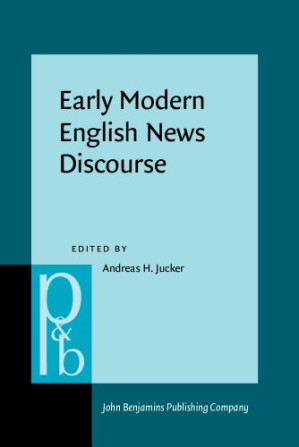
Early modern English news discourse newspapers, pamphlets and scientific news discourse ; [Conference on Historical News Discourse (CHINED) that took place at the Kartause Ittingen (Switzerland) on August 31 and September 1, 2007; it was the second conference on this topic 🔍
Andreas H Jucker; Conference on Historical News Discourse
John Benjamins Publishing Company, Pragmatics & Beyond New Series, Pragmatics & Beyond New Series 187, 1, 2009
英语 [en] · PDF · 1.9MB · 2009 · 📘 非小说类图书 · 🚀/duxiu/lgli/lgrs/nexusstc/upload/zlib · Save
描述
In Early Modern Britain, new publication channels were developed and new textual genres established themselves. News discourse became increasingly more important and reached wider audiences, with pamphlets as the first real mass media. Newspapers appeared, first on a weekly and then on a daily basis. And scientific news discourse in the form of letters exchanged between fellow scholars turned into academic journals. The papers in this volume provide state-of-the art analyses of these developments.
The first part of the volume contains studies of early newspapers that range from reports of crime and punishment to want ads, and from traces of religious language in early newspapers to the use of imperatives. The second part is devoted to pamphlets and provides detailed analyses of news reporting and of impoliteness strategies. The last section is devoted to scientific news discourse and traces the early publication formats in their various manifestations.
The first part of the volume contains studies of early newspapers that range from reports of crime and punishment to want ads, and from traces of religious language in early newspapers to the use of imperatives. The second part is devoted to pamphlets and provides detailed analyses of news reporting and of impoliteness strategies. The last section is devoted to scientific news discourse and traces the early publication formats in their various manifestations.
备用文件名
lgli/D:/!genesis/library.nu/11/_120048.118ed129442f09edab82a2234c3920c6.pdf
备用文件名
lgrsnf/D:/!genesis/library.nu/11/_120048.118ed129442f09edab82a2234c3920c6.pdf
备用文件名
nexusstc/Early Modern English News Discourse: Newspapers, pamphlets and scientific news discourse/118ed129442f09edab82a2234c3920c6.pdf
备用文件名
zlib/Languages/Grammar, dictionaries & phrasebooks/Andreas H. Jucker (ed.)/Early Modern English News Discourse: Newspapers, Pamphlets and Scientific News Discourse_1000192.pdf
备选标题
Early Modern English News Discourse: Newspapers, pamphlets and scientific news discourse (Pragmatics and Beyond New Series)
备选作者
CHINED (Conference) (2nd 2007 Kartause Ittingen)
备选作者
edited by Andreas H. Jucker
备选作者
Jucker, Andreas H. (editor)
备选作者
Andreas H Jucker; Kongress
备用出版商
Benjamins, John
备用版本
Pragmatics & beyond new series -- v. 187, Philadelphia, Pennsylvania, 2009
备用版本
Pragmatics & beyond, v. 187, Philadelphia ; Amsterdam, ©2009
备用版本
Pragmatics & beyond / New series, Amsterdam [u.a, 2009
备用版本
Pragmatics & beyond, Vol. 187, Amsterdam, ©2009
备用版本
John Benjamins Publishing Co., Amsterdam, 2009
备用版本
Pragmatics & Beyond New Series 187, 1st, 2009
备用版本
Netherlands, Netherlands
备用版本
0, US, 2009
备用版本
2009 may 20
元数据中的注释
до 2011-01
元数据中的注释
lg575924
元数据中的注释
producers:
Adobe PDF Library 7.0
Adobe PDF Library 7.0
元数据中的注释
{"container_title":"Pragmatics & Beyond New Series","edition":"1","isbns":["902725432X","9027289476","9789027254320","9789027289476"],"issns":["0922-842X"],"last_page":227,"publisher":"John Benjamins Publishing Company","series":"Pragmatics & Beyond New Series 187"}
元数据中的注释
The papers in this volume were presented at the second Conference on Historical News Discourse (CHINED) held at the Kartause Ittingen (Switzerland), on August 31 and September 1, 2007.
Includes bibliographical references and index.
Includes bibliographical references and index.
备用描述
Early Modern English News Discourse 2
Editorial page 3
Title page 4
LCC data 5
Table of contents 6
Preface 8
Newspapers, pamphlets and scientific news discourse in Early Modern Britain 10
References 17
Newspapers 20
Crime and punishmen 22
1. Introduction 22
2. Identifying text classes 23
3. Borderline cases 24
3.1 Introductory whereas 24
3.2 Introductory past participle 27
4. Crime reports proper 28
4.1 Time reference 29
4.2 The grammatical subject: The victim and the criminal 29
4.3 The crime itself 31
4.4 Information surrounding the crime 32
4.5 Newspaper commentaries 34
5. Punishment 34
5.1 Imprisonment 34
5.2 Sentence 35
5.3 Trials 37
6. Summary and outlook 38
References 39
Reading late eighteenth-century want ads 40
1. Introduction 40
2. The conventions of the “WANTS a Place” advertisement 41
2.1 “Genteel” 42
2.2 “Character” 45
2.3 “From the month” 50
2.4 “Understands business” 51
2.5 “Professed” 52
2.6 “In or out of livery” 54
2.7 “No office-keepers” and “principals only” 54
2.8 “Can bear confinement” and “followers” 56
2.9 “Of light weight” and “either way” 59
2.10 “Go a job” and “go the circuit” 59
2.11 “Flatters him/herself ” 60
2.12 “Both capacities” 61
3. Summary 62
Sources 63
References 63
"Alwayes in te Orbe of honest Mirth, and next to Truth" 66
1. Introduction 66
2. The Welch Mercury 67
2.1 Wit and mirth in The Welch Mercury numbers 1–3 68
2.2 News in The Welch Mercury numbers 1–3 72
2.3 Mirth in The Welch Mercury numbers 4–8 77
2.4 News in The Welch Mercury numbers 4–8 79
3. Conclusion 80
References 80
Religious language in early English newspapers? 82
1. Introduction 82
2. Comparing two corpora: Keywords 83
3. Linguistic analysis 86
3.1 Selected keywords in the ZEN Corpus: Distribution across sub-genres and typical uses 87
3.2 Selected keywords: Collocations in prayers and news discourse 92
4. Conclusions 97
References 98
"As silly as an Irish Teague" 100
1. Introduction 100
2. Comparison 102
3. The data 103
4. Functions of comparisons in newspapers 108
5. Further aspects of comparisons 115
6. Conclusion 121
Sources 121
References 122
"Place yer bets" and "Let us hope" 124
1. Introduction 124
2. Preparing the analysis: The communicative situation in newspapers 125
3. Imperatives in the RNC: Quantitative results 126
4. Formal aspects: “Ordinary” imperatives and let-constructions 129
5. Pragmatic analysis of imperatives 130
5.1 General characteristics 130
5.2 Communicative constellations 131
5.3 Detailed account of pragmatic functions 135
6. Conclusion 139
References 141
Pamphlets 144
Comparing seventeenth-century news broadsides and occasional news pamphlets 146
1. Introduction 146
2. “Strange and Wonderfull Newes” in broadsides and occasional pamphlets 147
3. The rhetoric of news discourse: Schema categories and persuasive content features 149
4. News presentation on the front page: Major headlines, proto-leads and woodcuts 150
5. Structuring of the episode 157
6. Conclusion 164
Sources 165
References 165
"From you, my Lord, professions are but words - 168
1. Aims and objectives 168
2. The data 169
3. Some information on the context 170
3.1 The socio-historical and political background 170
3.2 The participants 171
4. Outline of impoliteness research 172
5. The realisation of impoliteness in anti/unionist discourse 175
6. Analysis: On record strategies 176
6.1 Rhetorical and response seeking challenges 176
6.2 Negative impoliteness strategies 182
6.3 Positive impoliteness strategies 185
7. Off record strategies 190
8. Conclusion 191
References 192
Appendix 193
Scientific news discourse 196
"Joyful News out of the Newfound World" 198
1. Introduction 198
2. Aim and method of the paper 199
3. What do we mean by news reports? 200
4. The structure of news reports 200
5. News in the corpus of Early Modern English Medical Texts 202
6. An early domestic news report 203
7. Foreign news 204
7.1 Of the newe la~des and of ye people (1520?) 205
7.2 A new iuterlude [sic] ... of dyuers straunge landys and of dyuers straunge effects [and] causis (1520?) 207
7.3 Ioyfull nevves out of the newe founde worlde... (1580) 208
8. Conclusions 211
Sources 211
Bibliography 212
News filtering processes in the Philosophical Transactions 214
1. Introduction 214
2. Channels of scientific news discourse in the seventeenth century 214
3. Henry Oldenburg: The first editor of the Philosophical Transactions 215
4. Oldenburg’s news filters 217
4.1 The quantitative filter 218
4.2 The qualitative filter 219
5. Discussion of results 225
6. Conclusion 229
Primary source 230
References 230
Index 232
The Pragmatics & Beyond New Series 238
Editorial page 3
Title page 4
LCC data 5
Table of contents 6
Preface 8
Newspapers, pamphlets and scientific news discourse in Early Modern Britain 10
References 17
Newspapers 20
Crime and punishmen 22
1. Introduction 22
2. Identifying text classes 23
3. Borderline cases 24
3.1 Introductory whereas 24
3.2 Introductory past participle 27
4. Crime reports proper 28
4.1 Time reference 29
4.2 The grammatical subject: The victim and the criminal 29
4.3 The crime itself 31
4.4 Information surrounding the crime 32
4.5 Newspaper commentaries 34
5. Punishment 34
5.1 Imprisonment 34
5.2 Sentence 35
5.3 Trials 37
6. Summary and outlook 38
References 39
Reading late eighteenth-century want ads 40
1. Introduction 40
2. The conventions of the “WANTS a Place” advertisement 41
2.1 “Genteel” 42
2.2 “Character” 45
2.3 “From the month” 50
2.4 “Understands business” 51
2.5 “Professed” 52
2.6 “In or out of livery” 54
2.7 “No office-keepers” and “principals only” 54
2.8 “Can bear confinement” and “followers” 56
2.9 “Of light weight” and “either way” 59
2.10 “Go a job” and “go the circuit” 59
2.11 “Flatters him/herself ” 60
2.12 “Both capacities” 61
3. Summary 62
Sources 63
References 63
"Alwayes in te Orbe of honest Mirth, and next to Truth" 66
1. Introduction 66
2. The Welch Mercury 67
2.1 Wit and mirth in The Welch Mercury numbers 1–3 68
2.2 News in The Welch Mercury numbers 1–3 72
2.3 Mirth in The Welch Mercury numbers 4–8 77
2.4 News in The Welch Mercury numbers 4–8 79
3. Conclusion 80
References 80
Religious language in early English newspapers? 82
1. Introduction 82
2. Comparing two corpora: Keywords 83
3. Linguistic analysis 86
3.1 Selected keywords in the ZEN Corpus: Distribution across sub-genres and typical uses 87
3.2 Selected keywords: Collocations in prayers and news discourse 92
4. Conclusions 97
References 98
"As silly as an Irish Teague" 100
1. Introduction 100
2. Comparison 102
3. The data 103
4. Functions of comparisons in newspapers 108
5. Further aspects of comparisons 115
6. Conclusion 121
Sources 121
References 122
"Place yer bets" and "Let us hope" 124
1. Introduction 124
2. Preparing the analysis: The communicative situation in newspapers 125
3. Imperatives in the RNC: Quantitative results 126
4. Formal aspects: “Ordinary” imperatives and let-constructions 129
5. Pragmatic analysis of imperatives 130
5.1 General characteristics 130
5.2 Communicative constellations 131
5.3 Detailed account of pragmatic functions 135
6. Conclusion 139
References 141
Pamphlets 144
Comparing seventeenth-century news broadsides and occasional news pamphlets 146
1. Introduction 146
2. “Strange and Wonderfull Newes” in broadsides and occasional pamphlets 147
3. The rhetoric of news discourse: Schema categories and persuasive content features 149
4. News presentation on the front page: Major headlines, proto-leads and woodcuts 150
5. Structuring of the episode 157
6. Conclusion 164
Sources 165
References 165
"From you, my Lord, professions are but words - 168
1. Aims and objectives 168
2. The data 169
3. Some information on the context 170
3.1 The socio-historical and political background 170
3.2 The participants 171
4. Outline of impoliteness research 172
5. The realisation of impoliteness in anti/unionist discourse 175
6. Analysis: On record strategies 176
6.1 Rhetorical and response seeking challenges 176
6.2 Negative impoliteness strategies 182
6.3 Positive impoliteness strategies 185
7. Off record strategies 190
8. Conclusion 191
References 192
Appendix 193
Scientific news discourse 196
"Joyful News out of the Newfound World" 198
1. Introduction 198
2. Aim and method of the paper 199
3. What do we mean by news reports? 200
4. The structure of news reports 200
5. News in the corpus of Early Modern English Medical Texts 202
6. An early domestic news report 203
7. Foreign news 204
7.1 Of the newe la~des and of ye people (1520?) 205
7.2 A new iuterlude [sic] ... of dyuers straunge landys and of dyuers straunge effects [and] causis (1520?) 207
7.3 Ioyfull nevves out of the newe founde worlde... (1580) 208
8. Conclusions 211
Sources 211
Bibliography 212
News filtering processes in the Philosophical Transactions 214
1. Introduction 214
2. Channels of scientific news discourse in the seventeenth century 214
3. Henry Oldenburg: The first editor of the Philosophical Transactions 215
4. Oldenburg’s news filters 217
4.1 The quantitative filter 218
4.2 The qualitative filter 219
5. Discussion of results 225
6. Conclusion 229
Primary source 230
References 230
Index 232
The Pragmatics & Beyond New Series 238
备用描述
Newspapers, pamphlets and scientific news discourse in early modern Britain / Andreas H. Jucker -- Newspapers. Crime and punishment / Udo Fries -- Reading late eighteenth-century want ads / Laura Wright -- "Alwayes in te orbe of honest mirth, and next to truth": proto-infotainment in the Welch mercury / Nicholas Brownlees -- Religious language in early English newspapers? / Thomas Kohnen -- "As silly as an Irish Teague": comparisons in early English news discourse / Claudia Claridge -- "Place yer bets" and "Let us hope": imperatives and their pragmatic functions in news reports / Birte Bös -- Early modern English news discourse pamphlets. Comparing seventeenth-century news broadsides and occasional news pamphlets: interrelatedness in news reporting / Elisabetta Cecconi -- "From you, my Lord, professions are but words they are so much bait for fools to catch at": impoliteness strategies in the 1797-1800 Act of Union pamphlet debate / Alessandra Levorato -- Scientific news discourse. "Joyful news out of the newfound world": medical and scientific news reports in early modern England / Irma Taavitsainen -- News filtering processes in the philosophical transactions / Lilo Moessner
备用描述
The papers in this volume were presented at the second Conference on Historical News Discourse (CHINED) held at the Kartause Ittingen (Switzerland), on August 31 and September 1, 2007.
开源日期
2011-06-04
🚀 快速下载
成为会员以支持书籍、论文等的长期保存。为了感谢您对我们的支持,您将获得高速下载权益。❤️
如果您在本月捐款,您将获得双倍的快速下载次数。
🐢 低速下载
由可信的合作方提供。 更多信息请参见常见问题解答。 (可能需要验证浏览器——无限次下载!)
- 低速服务器(合作方提供) #1 (稍快但需要排队)
- 低速服务器(合作方提供) #2 (稍快但需要排队)
- 低速服务器(合作方提供) #3 (稍快但需要排队)
- 低速服务器(合作方提供) #4 (稍快但需要排队)
- 低速服务器(合作方提供) #5 (无需排队,但可能非常慢)
- 低速服务器(合作方提供) #6 (无需排队,但可能非常慢)
- 低速服务器(合作方提供) #7 (无需排队,但可能非常慢)
- 低速服务器(合作方提供) #8 (无需排队,但可能非常慢)
- 低速服务器(合作方提供) #9 (无需排队,但可能非常慢)
- 下载后: 在我们的查看器中打开
所有选项下载的文件都相同,应该可以安全使用。即使这样,从互联网下载文件时始终要小心。例如,确保您的设备更新及时。
外部下载
-
对于大文件,我们建议使用下载管理器以防止中断。
推荐的下载管理器:JDownloader -
您将需要一个电子书或 PDF 阅读器来打开文件,具体取决于文件格式。
推荐的电子书阅读器:Anna的档案在线查看器、ReadEra和Calibre -
使用在线工具进行格式转换。
推荐的转换工具:CloudConvert和PrintFriendly -
您可以将 PDF 和 EPUB 文件发送到您的 Kindle 或 Kobo 电子阅读器。
推荐的工具:亚马逊的“发送到 Kindle”和djazz 的“发送到 Kobo/Kindle” -
支持作者和图书馆
✍️ 如果您喜欢这个并且能够负担得起,请考虑购买原版,或直接支持作者。
📚 如果您当地的图书馆有这本书,请考虑在那里免费借阅。
下面的文字仅以英文继续。
总下载量:
“文件的MD5”是根据文件内容计算出的哈希值,并且基于该内容具有相当的唯一性。我们这里索引的所有影子图书馆都主要使用MD5来标识文件。
一个文件可能会出现在多个影子图书馆中。有关我们编译的各种数据集的信息,请参见数据集页面。
有关此文件的详细信息,请查看其JSON 文件。 Live/debug JSON version. Live/debug page.