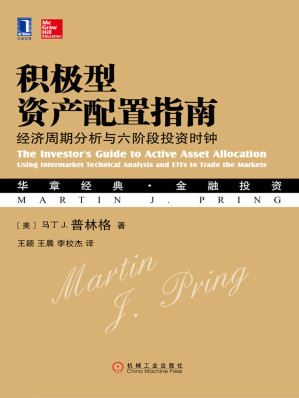
积极型资产配置指南:经济周期分析与六阶段投资时钟 (华章经典·金融投资) 🔍
马丁J.普林格(Martin J.Pring) [马丁J.普林格(Martin J.Pring)]
北京:机械工业出版社, 1, 2018-01-01
英语 [en] · 中文 [zh] · EPUB · 13.5MB · 2018 · 📘 非小说类图书 · 🚀/duxiu/lgli/lgrs/nexusstc/zlib · Save
描述
随着经济周期各阶段的逐步推进,如何在各个产业部门和主要市场中轮动投资,最终形成收益良好的积极型资产配置策略。
普林格从其特有的经济周期六阶段的概念讲起,解释了为什么在不同的阶段,某些资产和市场行业表现得更好或者更糟。然后,他将演绎如何利用技术分析和市场间分析方法来识别市场处于哪个经济周期阶段,并将ETF作为最好的投资工具,完成资产配置。
《积极型资产配置指南》向你提供的专业知识包括:
·资金管理的基本原则
·经济周期推动债市、股市和商品价格波动
·普林格经济周期六阶段理论
·帮助识别趋势反转的技术工具
·将视角引入长期的回溯至19世纪的趋势分析中
·利用易于跟随的指标和模型识别经济周期阶段
·10大行业的轮动过程
·个别行业或行业部门在六阶段中的表现差异
·具体阶段的资产配置方法
普林格从其特有的经济周期六阶段的概念讲起,解释了为什么在不同的阶段,某些资产和市场行业表现得更好或者更糟。然后,他将演绎如何利用技术分析和市场间分析方法来识别市场处于哪个经济周期阶段,并将ETF作为最好的投资工具,完成资产配置。
《积极型资产配置指南》向你提供的专业知识包括:
·资金管理的基本原则
·经济周期推动债市、股市和商品价格波动
·普林格经济周期六阶段理论
·帮助识别趋势反转的技术工具
·将视角引入长期的回溯至19世纪的趋势分析中
·利用易于跟随的指标和模型识别经济周期阶段
·10大行业的轮动过程
·个别行业或行业部门在六阶段中的表现差异
·具体阶段的资产配置方法
备用文件名
lgli/马丁J.普林格(Martin J.Pring) [马丁J.普林格(Martin J.Pring)] - 积极型资产配置指南:经济周期分析与六阶段投资时钟 (华章经典·金融投资) (2017, 机械工业出版社).epub
备用文件名
lgrsnf/积极型资产配置指南.epub
备用文件名
zlib/Business & Economics/Professional Finance/马丁J.普林格(Martin J.Pring) [马丁J.普林格(Martin J.Pring)]/积极型资产配置指南:经济周期分析与六阶段投资时钟 (华章经典·金融投资)_13901447.epub
备选标题
积极型资产配置指南 : 经济周期分析与六阶段投资时钟 = The investor's guide to active asset allocation : using intermarket technical analysis and ETFs to trade the markets
备选作者
马丁 J.普林格(Martin J. Pring) 王颖 王晨 李校杰
备选作者
by Martin J. Pring
备选作者
马丁·J.普林格著
备用出版商
McGraw-Hill School Education Group
备用出版商
Irwin Professional Publishing
备用出版商
China Machine Press
备用出版商
Oracle Press
备用版本
1st edition, Place of publication not identified, 2010
备用版本
Hua zhang jing dian, Di 1 ban, Beijing, 2018
备用版本
United States, United States of America
备用版本
China, People's Republic, China
备用版本
New York, New York State, 2006
备用版本
1, PT, 2006
备用版本
2017
元数据中的注释
sobooks
元数据中的注释
{"isbns":["0071466851","7111588223","9780071466851","9787111588221"],"last_page":364,"publisher":"机械工业出版社"}
元数据中的注释
Includes index.
元数据中的注释
Bookmarks: p1 (p1): 第1章 货币管理的一些基本原则
p1-1 (p2): 引言
p1-2 (p2): 分散投资
p1-2-1 (p7): 分散投资的心理障碍
p1-2-2 (p9): 投资者的两大敌人:通货膨胀和波动性,分散投资如何发挥作用
p1-2-3 (p9): 使用分散投资减少投资于个体公司的风险
p1-2-4 (p10): 使用分散投资减少来自市场波动的风险
p1-2-5 (p12): 分散投资可以带来较大的收益和较少的损失
p1-2-6 (p13): 交易所交易基金和分散投资
p1-3 (p14): 复利的力量
p1-3-1 (p14): 复利和利息
p1-3-2 (p18): 复利和股息
p2 (p21): 第2章 经济周期:只是季节性的日历的问题
p2-1 (p25): 经济周期为什么会重复出现
p2-2 (p28): 一般的经济周期
p2-3 (p30): 经济事件的次序
p2-4 (p31): 介绍变动率的概念
p2-5 (p33): 关于按时间顺序发展的经济事件的更多讨论
p2-6 (p35): 用经济指标来展示经济事件的顺序
p2-6-1 (p36): 先行经济指数成分指标
p2-6-2 (p37): 同步经济指数成分指标
p2-6-3 (p38): 滞后经济指数成分指标
p3 (p44): 第3章 帮助确定趋势反转的工具
p3-1 (p45): 趋势分析工具
p3-1-1 (p45): 移动平均线
p3-1-2 (p47): 趋势线
p3-1-3 (p48): 峰谷演进
p3-2 (p49): 动量指标
p3-3 (p60): 相对强度指标
p3-3-1 (p67): 市场之间的关系和相对强度指标
p4 (p69): 第4章 以长期视角看待问题
p4-1 (p70): 长波(康德拉季耶夫)周期
p4-1-1 (p72): 上升波
p4-1-2 (p75): 平坦阶段
p4-1-3 (p76): 下降波
p4-2 (p76): 经济周期对于今天的实用性
p4-3 (p78): 债券的长期趋势
p4-4 (p81): 商品价格的长期趋势
p4-5 (p83): 股票价格的长期趋势
p4-6 (p86): 有助于确定长期趋势方向的技术
p4-6-1 (p86): 移动平均和动量指标
p4-6-2 (p92): 峰谷演进
p4-6-3 (p93): 趋势线和交易范围
p5 (p97): 第5章 经济周期如何驱动债券、股票和商品的价格
p5-1 (p98): 简介
p5-2 (p99): 经济周期中金融市场的演进过程
p5-2-1 (p99): 利率顶峰和债券市场低谷
p5-2-2 (p102): 股票市场走出低谷
p5-2-3 (p104): 商品市场走出低谷
p5-2-4 (p105): 利率低谷和债券价格顶峰
p5-2-5 (p108): 股票市场走出波峰
p5-2-6 (p109): 商品市场走出顶部
p5-3 (p109): 双周期
p5-4 (p110): 市场演进的近代史
p5-5 (p114): 历史上股票市场相对于经济的转折点
p6 (p117): 第6章 初识马丁·普林格的经济周期的6个阶段
p6-1 (p118): 6个阶段
p6-2 (p120): 综述
p6-3 (p120): 6个单独阶段的概述
p6-3-1 (p122): 阶段Ⅰ(只有债券市场是牛市)
p6-3-2 (p125): 阶段Ⅱ(只有商品市场是熊市)
p6-3-3 (p127): 阶段Ⅲ(每个市场都是牛市)
p6-3-4 (p129): 阶段Ⅳ(债券开始熊市而股票和商品保持牛市)
p6-3-5 (p130): 阶段Ⅴ(只有商品市场是牛市)
p6-3-6 (p131): 阶段Ⅵ(没有一个市场是牛市)
p6-4 (p132): 小结
p7 (p134): 第7章 如何运用模型识别经济周期中的不同阶段
p7-1 (p135): 简单讲一下模型的建立
p7-2 (p140): 债券晴雨表
p7-2-1 (p141): 通货膨胀指标
p7-2-2 (p142): 经济指标
p7-2-3 (p142): 货币指标
p7-2-4 (p144): 技术指标
p7-3 (p144): 股票晴雨表
p7-3-1 (p148): 经济指标
p7-3-2 (p150): 金融指标
p7-3-3 (p152): 技术指标
p7-4 (p153): 通货膨胀晴雨表
p7-4-1 (p154): 经济指标
p7-4-2 (p155): 技术指标
p7-5 (p156): 晴雨表的表现
p7-5-1 (p160): 小结
p8 (p162): 第8章 利用市场行为来确定经济周期的阶段
p8-1 (p163): 背景因素
p8-2 (p164): 根据市场行为确定阶段
p8-2-1 (p165): 利用市场表现来确定阶段:一个正面的例子和一个反面的例子
p8-3 (p171): 结论
p9 (p175): 第9章 如何使用易于遵循的指标来辨别经济周期中的阶段
p9-1 (p176): 贴现率
p9-2 (p178): 领先经济指标
p9-3 (p180): 同步经济指标
p9-4 (p181): 滞后指标
p9-5 (p182): 收益率曲线
p9-6 (p183): 领先指标/滞后指标比率
p9-7 (p186): 股票/商品比率
p9-8 (p186): 扭矩指标
p9-9 (p188): 商品/债券比率
p9-10 (p190): 清单
p10 (p191): 第10章 若能管理风险,盈利自然实现
p10-1 (p192): 背景
p10-2 (p193): 多元化投资
p10-3 (p193): 股票
p10-3-1 (p193): 证券风险
p10-4 (p198): 市场风险
p10-4-1 (p198): 贴现率
p10-4-2 (p200): 商业票据收益率
p10-4-3 (p203): 股票收益率
p10-4-4 (p204): 股票市场和商品市场之间的关系
p10-5 (p208): 固定收益证券
p10-5-1 (p208): 证券风险
p10-5-2 (p211): 市场风险
p10-6 (p220): 商品
p11 (p223): 第11章 10个经济部门如何适应转换过程
p11-1 (p224): 股市体现行业前景
p11-2 (p227): 什么是经济板块和行业组
p11-3 (p229): 经济板块转换过程:概述
p11-3-1 (p232): 通货膨胀敏感行业组与通货紧缩敏感行业组
p11-4 (p234): 股票市场如何预测债券收益率和商品价格的趋势
p11-5 (p237): 领先/滞后行业组之间的关系
p12 (p242): 第12章 经济周期6个阶段中经济板块的表现
p12-1 (p243): 简介
p12-2 (p244): 阶段Ⅰ
p12-3 (p245): 阶段Ⅱ
p12-4 (p246): 阶段Ⅲ
p12-5 (p246): 阶段Ⅳ
p12-6 (p247): 阶段Ⅴ
p12-7 (p247): 阶段Ⅵ
p12-8 (p249): 随着经济阶段演进经济板块的表现
p13 (p265): 第13章 ETF基金是什么?它们具有什么优点
p13-1 (p266): ETF基金是什么
p13-2 (p267): ETF基金与通常的共同基金的比较
p13-3 (p269): 互联网上的ETF基金
p13-4 (p270): 基金家族
p13-4-1 (p270): 巴克莱银行
p13-4-2 (p275): 道富环球投资管理公司
p13-4-3 (p277): 先锋集团
p13-4-4 (p280): 纽约银行
p13-4-5 (p281): 美林证券控股公司存托凭证
p13-4-6 (p282): 其他各种基金家族
p14 (p284): 第14章 怎样在投资转移的过程中使用ETF基金
p14-1 (p285): 通货膨胀与通货紧缩
p14-2 (p288): 把ETF基金用作替代品
p14-2-1 (p288): 公用事业
p14-2-2 (p296): 金融
p14-2-3 (p297): 通信
p14-2-4 (p297): 消费者日用消费(耐用品或非周期性产品)
p14-2-5 (p298): 运输
p14-2-6 (p298): 非必需消费品(耐用品)
p14-2-7 (p298): 健康医疗
p14-2-8 (p299): 科技
p14-2-9 (p300): 工业
p14-2-10 (p300): 原材料
p14-2-11 (p300): 能源
p14-3 (p300): 富达基金家族
p14-4 (p302): 瑞德克斯
p14-5 (p305): Pro Funds
p15 (p306): 第15章 ETF基金和其他作为对冲通货膨胀和通货紧缩的投资工具
p15-1 (p307): 固定收益ETF基金
p15-1-1 (p308): 债券ETF基金vs.债券梯
p15-1-2 (p309): 债券ETF基金vs.指数债券基金
p15-1-3 (p309): 根据经济周期来应用固定收益ETF基金和其他投资工具
p15-1-4 (p310): 高收益债券基金
p15-1-5 (p311): 反向债券基金
p15-2 (p313): 商品
p15-3 (p318): 黄金和白银ETF基金
p16 (p319): 第16章 综述:经济周期中每个阶段的建议投资组合
p16-1 (p320): 投资目标
p16-1-1 (p320): 流动性
p16-1-2 (p321): 收入
p16-1-3 (p322): 增长
p16-2 (p322): 为你构建正确的投资组合
p16-3 (p323): “战胜”自己比“战胜”市场更为困难
p16-4 (p325): 单个经济周期阶段的建议资产配置
p16-4-1 (p326): 战略资产配置vs.战术资产配置
p16-4-2 (p326): 中性组
p16-4-3 (p327): 阶段Ⅰ
p16-4-4 (p329): 阶段Ⅱ
p16-4-5 (p330): 阶段Ⅲ
p16-4-6 (p331): 阶段Ⅳ
p16-4-7 (p332): 阶段Ⅴ
p16-4-8 (p334): 阶段Ⅵ
p16-5 (p334): 非同寻常的状况要求更为灵活的资产配置
p16-6 (p335): 保守型(收入关注型)投资者的建议资产配置
p16-6-1 (p336): 阶段Ⅰ
p16-6-2 (p336): 阶段Ⅱ
p16-6-3 (p338): 阶段Ⅲ
p16-6-4 (p338): 阶段Ⅳ
p16-6-5 (p338): 阶段Ⅴ
p16-6-6 (p339): 阶段Ⅵ
p16-7 (p340): 更为积极的投资者的资产配置
p16-7-1 (p341): 阶段Ⅰ
p16-7-2 (p341): 阶段Ⅱ
p16-7-3 (p342): 阶段Ⅲ
p16-7-4 (p342): 阶段Ⅳ
p16-7-5 (p343): 阶段Ⅴ
p16-7-6 (p343): 阶段Ⅵ
p1-1 (p2): 引言
p1-2 (p2): 分散投资
p1-2-1 (p7): 分散投资的心理障碍
p1-2-2 (p9): 投资者的两大敌人:通货膨胀和波动性,分散投资如何发挥作用
p1-2-3 (p9): 使用分散投资减少投资于个体公司的风险
p1-2-4 (p10): 使用分散投资减少来自市场波动的风险
p1-2-5 (p12): 分散投资可以带来较大的收益和较少的损失
p1-2-6 (p13): 交易所交易基金和分散投资
p1-3 (p14): 复利的力量
p1-3-1 (p14): 复利和利息
p1-3-2 (p18): 复利和股息
p2 (p21): 第2章 经济周期:只是季节性的日历的问题
p2-1 (p25): 经济周期为什么会重复出现
p2-2 (p28): 一般的经济周期
p2-3 (p30): 经济事件的次序
p2-4 (p31): 介绍变动率的概念
p2-5 (p33): 关于按时间顺序发展的经济事件的更多讨论
p2-6 (p35): 用经济指标来展示经济事件的顺序
p2-6-1 (p36): 先行经济指数成分指标
p2-6-2 (p37): 同步经济指数成分指标
p2-6-3 (p38): 滞后经济指数成分指标
p3 (p44): 第3章 帮助确定趋势反转的工具
p3-1 (p45): 趋势分析工具
p3-1-1 (p45): 移动平均线
p3-1-2 (p47): 趋势线
p3-1-3 (p48): 峰谷演进
p3-2 (p49): 动量指标
p3-3 (p60): 相对强度指标
p3-3-1 (p67): 市场之间的关系和相对强度指标
p4 (p69): 第4章 以长期视角看待问题
p4-1 (p70): 长波(康德拉季耶夫)周期
p4-1-1 (p72): 上升波
p4-1-2 (p75): 平坦阶段
p4-1-3 (p76): 下降波
p4-2 (p76): 经济周期对于今天的实用性
p4-3 (p78): 债券的长期趋势
p4-4 (p81): 商品价格的长期趋势
p4-5 (p83): 股票价格的长期趋势
p4-6 (p86): 有助于确定长期趋势方向的技术
p4-6-1 (p86): 移动平均和动量指标
p4-6-2 (p92): 峰谷演进
p4-6-3 (p93): 趋势线和交易范围
p5 (p97): 第5章 经济周期如何驱动债券、股票和商品的价格
p5-1 (p98): 简介
p5-2 (p99): 经济周期中金融市场的演进过程
p5-2-1 (p99): 利率顶峰和债券市场低谷
p5-2-2 (p102): 股票市场走出低谷
p5-2-3 (p104): 商品市场走出低谷
p5-2-4 (p105): 利率低谷和债券价格顶峰
p5-2-5 (p108): 股票市场走出波峰
p5-2-6 (p109): 商品市场走出顶部
p5-3 (p109): 双周期
p5-4 (p110): 市场演进的近代史
p5-5 (p114): 历史上股票市场相对于经济的转折点
p6 (p117): 第6章 初识马丁·普林格的经济周期的6个阶段
p6-1 (p118): 6个阶段
p6-2 (p120): 综述
p6-3 (p120): 6个单独阶段的概述
p6-3-1 (p122): 阶段Ⅰ(只有债券市场是牛市)
p6-3-2 (p125): 阶段Ⅱ(只有商品市场是熊市)
p6-3-3 (p127): 阶段Ⅲ(每个市场都是牛市)
p6-3-4 (p129): 阶段Ⅳ(债券开始熊市而股票和商品保持牛市)
p6-3-5 (p130): 阶段Ⅴ(只有商品市场是牛市)
p6-3-6 (p131): 阶段Ⅵ(没有一个市场是牛市)
p6-4 (p132): 小结
p7 (p134): 第7章 如何运用模型识别经济周期中的不同阶段
p7-1 (p135): 简单讲一下模型的建立
p7-2 (p140): 债券晴雨表
p7-2-1 (p141): 通货膨胀指标
p7-2-2 (p142): 经济指标
p7-2-3 (p142): 货币指标
p7-2-4 (p144): 技术指标
p7-3 (p144): 股票晴雨表
p7-3-1 (p148): 经济指标
p7-3-2 (p150): 金融指标
p7-3-3 (p152): 技术指标
p7-4 (p153): 通货膨胀晴雨表
p7-4-1 (p154): 经济指标
p7-4-2 (p155): 技术指标
p7-5 (p156): 晴雨表的表现
p7-5-1 (p160): 小结
p8 (p162): 第8章 利用市场行为来确定经济周期的阶段
p8-1 (p163): 背景因素
p8-2 (p164): 根据市场行为确定阶段
p8-2-1 (p165): 利用市场表现来确定阶段:一个正面的例子和一个反面的例子
p8-3 (p171): 结论
p9 (p175): 第9章 如何使用易于遵循的指标来辨别经济周期中的阶段
p9-1 (p176): 贴现率
p9-2 (p178): 领先经济指标
p9-3 (p180): 同步经济指标
p9-4 (p181): 滞后指标
p9-5 (p182): 收益率曲线
p9-6 (p183): 领先指标/滞后指标比率
p9-7 (p186): 股票/商品比率
p9-8 (p186): 扭矩指标
p9-9 (p188): 商品/债券比率
p9-10 (p190): 清单
p10 (p191): 第10章 若能管理风险,盈利自然实现
p10-1 (p192): 背景
p10-2 (p193): 多元化投资
p10-3 (p193): 股票
p10-3-1 (p193): 证券风险
p10-4 (p198): 市场风险
p10-4-1 (p198): 贴现率
p10-4-2 (p200): 商业票据收益率
p10-4-3 (p203): 股票收益率
p10-4-4 (p204): 股票市场和商品市场之间的关系
p10-5 (p208): 固定收益证券
p10-5-1 (p208): 证券风险
p10-5-2 (p211): 市场风险
p10-6 (p220): 商品
p11 (p223): 第11章 10个经济部门如何适应转换过程
p11-1 (p224): 股市体现行业前景
p11-2 (p227): 什么是经济板块和行业组
p11-3 (p229): 经济板块转换过程:概述
p11-3-1 (p232): 通货膨胀敏感行业组与通货紧缩敏感行业组
p11-4 (p234): 股票市场如何预测债券收益率和商品价格的趋势
p11-5 (p237): 领先/滞后行业组之间的关系
p12 (p242): 第12章 经济周期6个阶段中经济板块的表现
p12-1 (p243): 简介
p12-2 (p244): 阶段Ⅰ
p12-3 (p245): 阶段Ⅱ
p12-4 (p246): 阶段Ⅲ
p12-5 (p246): 阶段Ⅳ
p12-6 (p247): 阶段Ⅴ
p12-7 (p247): 阶段Ⅵ
p12-8 (p249): 随着经济阶段演进经济板块的表现
p13 (p265): 第13章 ETF基金是什么?它们具有什么优点
p13-1 (p266): ETF基金是什么
p13-2 (p267): ETF基金与通常的共同基金的比较
p13-3 (p269): 互联网上的ETF基金
p13-4 (p270): 基金家族
p13-4-1 (p270): 巴克莱银行
p13-4-2 (p275): 道富环球投资管理公司
p13-4-3 (p277): 先锋集团
p13-4-4 (p280): 纽约银行
p13-4-5 (p281): 美林证券控股公司存托凭证
p13-4-6 (p282): 其他各种基金家族
p14 (p284): 第14章 怎样在投资转移的过程中使用ETF基金
p14-1 (p285): 通货膨胀与通货紧缩
p14-2 (p288): 把ETF基金用作替代品
p14-2-1 (p288): 公用事业
p14-2-2 (p296): 金融
p14-2-3 (p297): 通信
p14-2-4 (p297): 消费者日用消费(耐用品或非周期性产品)
p14-2-5 (p298): 运输
p14-2-6 (p298): 非必需消费品(耐用品)
p14-2-7 (p298): 健康医疗
p14-2-8 (p299): 科技
p14-2-9 (p300): 工业
p14-2-10 (p300): 原材料
p14-2-11 (p300): 能源
p14-3 (p300): 富达基金家族
p14-4 (p302): 瑞德克斯
p14-5 (p305): Pro Funds
p15 (p306): 第15章 ETF基金和其他作为对冲通货膨胀和通货紧缩的投资工具
p15-1 (p307): 固定收益ETF基金
p15-1-1 (p308): 债券ETF基金vs.债券梯
p15-1-2 (p309): 债券ETF基金vs.指数债券基金
p15-1-3 (p309): 根据经济周期来应用固定收益ETF基金和其他投资工具
p15-1-4 (p310): 高收益债券基金
p15-1-5 (p311): 反向债券基金
p15-2 (p313): 商品
p15-3 (p318): 黄金和白银ETF基金
p16 (p319): 第16章 综述:经济周期中每个阶段的建议投资组合
p16-1 (p320): 投资目标
p16-1-1 (p320): 流动性
p16-1-2 (p321): 收入
p16-1-3 (p322): 增长
p16-2 (p322): 为你构建正确的投资组合
p16-3 (p323): “战胜”自己比“战胜”市场更为困难
p16-4 (p325): 单个经济周期阶段的建议资产配置
p16-4-1 (p326): 战略资产配置vs.战术资产配置
p16-4-2 (p326): 中性组
p16-4-3 (p327): 阶段Ⅰ
p16-4-4 (p329): 阶段Ⅱ
p16-4-5 (p330): 阶段Ⅲ
p16-4-6 (p331): 阶段Ⅳ
p16-4-7 (p332): 阶段Ⅴ
p16-4-8 (p334): 阶段Ⅵ
p16-5 (p334): 非同寻常的状况要求更为灵活的资产配置
p16-6 (p335): 保守型(收入关注型)投资者的建议资产配置
p16-6-1 (p336): 阶段Ⅰ
p16-6-2 (p336): 阶段Ⅱ
p16-6-3 (p338): 阶段Ⅲ
p16-6-4 (p338): 阶段Ⅳ
p16-6-5 (p338): 阶段Ⅴ
p16-6-6 (p339): 阶段Ⅵ
p16-7 (p340): 更为积极的投资者的资产配置
p16-7-1 (p341): 阶段Ⅰ
p16-7-2 (p341): 阶段Ⅱ
p16-7-3 (p342): 阶段Ⅲ
p16-7-4 (p342): 阶段Ⅳ
p16-7-5 (p343): 阶段Ⅴ
p16-7-6 (p343): 阶段Ⅵ
备用描述
<p><P><b>The Asset Allocation Tools You Need to Capitalize on Every Stage of the Business Cycle </b><P><i>In The Investor's Guide to Active Asset Allocation</i>, Martin Pring, one of today's most respected technical analysts and top investment authors, shows you how to develop winning active asset allocation strategies by rotating among sectors and major markets as the stages of the business cycle change.<P>Pring starts by describing his unique concept of the Six Business Cycle Stages, explaining why certain assets and market sectors perform better or worse during different phases of the business cycle. He then shows how to use technical and intermarket analysis to recognize what business cycle stage the market is in, focusing on exchange traded funds (ETFs) as the best vehicle for asset allocation rotation.<P>Filled with step-by-step guidelines and easy-access charts, <i>The Investor's Guide to Active Asset Allocation</i> equips you with:<P> <br>• Pring's unique Six Stages of the Business Cycle, which will help you: <P>understand the market better and lead to more effective sector rotation <br>• Specific investing recommendations for each stage of the business cycle <br>• An explanation of the key intermarket relationships that drive the cycle <br>• An understanding of the link between the business cycle and how it influences the performance of stocks, bonds, and commodities <br>• Bond, stock, and commodities strategies that have proven profitable over the past fifty years <br>• CD-ROM with historical data files and live web site links<br><P><p>Since the stock market fallout of the early 2000s, investors have come to understand that buy-and-hold may not always be the best strategy. Throughout the investment and finance community, there is now a greater appreciation of the importance of sector rotation within a business cycle.<P><i>The Investor's Guide to Active Asset Allocation</i> offers you the background and analytical tools required to take full advantage of the opportunities found in asset allocation, sector rotation, ETFs, and the business cycle.<P>Written by renowned technical analyst and best-selling author Martin Pring, the book presents Mr. Pring's unique Six Business Cycle Stages, explaining why certain asset categories perform better or worse during different phases of the business cycle, and demonstrating how to use intermarket tools and technical analysis to recognize what business cycle stage the market is in.<P>Pring shows you how to apply active asset allocation_rotating among sectors and major markets (stocks, bonds, and futures) as the business cycle stage changes_to develop optimum allocation strategies. He focuses on exchange traded funds (ETFs) as the best vehicle for asset allocation rotation, since they are easily traded and have much more flexibility than mutual funds. He also offers specific guidelines for what sectors to be in, depending on the business cycle stage.<P><i>The Investor's Guide to Active Asset Allocation</i> provides you with proven investing expertise on:<P> <br>• Basic Principles of Money Management<P> How the Business Cycle Drives the Prices of Bonds, Stocks, and<P>Commodities <br>• The Pring Six Business Cycle Stages <br>• Technical Tools that Help to Identify Trend Reversals <br>• Putting Things into a Long-Term Perspective <br>• Recognizing Stages Using Easy-to-Follow Indicators as well as Models <br>• How the Ten Market Sectors Fit into the Rotation Process <br>• How Individual Sectors and Groups Performed in Each of the Six Stages <br>• Asset Allocation for Specific Stages<br><P>This dynamic investing resource features a CD-ROM, which contains supplementary information that will help you execute the strategies described in the book. You'll find live links to useful web sites that contain a wide-ranging library of ETFs, database sources, historical data files in Excel format, and a collection of historical multi-colored PowerPoint charts.<P>An essential tool for improving your analytical skills, <i>The Investor's Guide to Active Asset Allocation</i> shows you how to move from a passive to an active allocation model and explains the link between business cycle and stock market cycle for more effective - and profitable - trading and investing.<P><b>About the Author</b><P><b>Martin Pring</b>, one of today's most distinguished technical analysts, is president of Pring.com, a financial educational website. He is also editor of the esteemed newsletter, The Intermarket Review, which covers the stock and bond markets, futures, and commodities. Mr. Pring is the author of numerous highly acclaimed books, including <i>Technical Analysis Explained</i>, and has contributed to leading financial publications, such as <i>Barron's</i>, <i>Futures</i>, <P>and <i>Investment Vision</i>.</p><p><b>Martin J. Pring</b> is president of the International<P>Institute for Economic Research and editor of two<P>newsletters including <i>The Intermarket Review</i>. He has written<P>for a number of financial publications, including <i>Barron's</i> and<P><i>Futures</i>, and is a sought-after speaker for conferences around<P>the world.</p>
备用描述
The Investor's Guide to Active Asset Allocation offers you the background and analytical tools required to take full advantage of the opportunities found in asset allocation, sector rotation, ETFs, and the business cycle. Written by renowned technical analyst and best-selling author Martin Pring, the book presents Pring's unique Six Business Cycle Stages, explaining why certain asset categories perform better or worse during different phases of the business cycle, and demonstrating how to use intermarket tools and technical analysis to recognize what business cycle stage the market is inches Pring shows you how to apply active asset allocation, rotating among sectors and major markets (stocks, bonds, and futures) as the business cycle stage changes, to develop optimum allocation strategies. He focuses on exchange traded funds (ETFs) as the best vehicle for asset allocation rotation, since they are easily traded and have much more flexibility than mutual funds. He also offers specific guidelines for what sectors to be in, depending on the business cycle stage. The Investor's Guide to Active Asset Allocation provides you with proven investing expertise on: Basic Principles of Money Management How the Business Cycle Drives the Prices of Bonds, Stocks, and Commodities The Pring Six Business Cycle Stages Technical Tools that Help to Identify Trend Reversals Putting Things into a Long-Term Perspective Recognizing Stages Using Easy-to-Follow Indicators as well as Models How the Ten Market Sectors Fit into the Rotation Process How Individual Sectors and Groups Performed in Each of the Six Stages Asset Allocation for Specific Stages This dynamic investing resource also gives you access to downloadable content, which contains supplementary information that will help you execute the strategies described in the book. You'll find links to useful websites that contain a wide-ranging library of ETFs, database sources, historical data files in Excel format, and a collection of historical multi-colored PowerPoint charts. An essential tool for improving your analytical skills, The Investor's Guide to Active Asset Allocation shows you how to move from a passive to an active allocation model and explains the link between business cycle and stock market cycle for more effective - and profitable - trading and investing
备用描述
The Investor's Guide to Active Asset Allocation offers you the background and analytical tools required to take full advantage of the opportunities found in asset allocation, sector rotation, ETFs, and the business cycle. Written by renowned technical analyst and best-selling author Martin Pring, the book presents Mr. Pring's unique Six Business Cycle Stages, explaining why certain asset categories perform better or worse during different phases of the business cycle, and demonstrating how to use intermarket tools and technical analysis to recognize what business cycle stage the market is in. Pring shows you how to apply active asset allocation, rotating among sectors and major markets (stocks, bonds, and futures) as the business cycle stage changes, to develop optimum allocation strategies. He focuses on exchange traded funds (ETFs) as the best vehicle for asset allocation rotation, since they are easily traded and have much more flexibility than mutual funds. He also offers specific guidelines for what sectors to be in, depending on the business cycle stage. The Investor's Guide to Active Asset Allocation provides you with proven investing expertise
备用描述
Ben shu xiang ni ti gong de zhuan ye zhi shi bao kuo:zi jin guan li de ji ben yuan ze;Jing ji zhou qi tui dong zhai shi,Gu shi he shang pin jia ge bo dong;Pu lin ge jing ji zhou qi liu jie duan li lun;Bang zhu shi bie qu shi fan zhuan de ji shu gong ju;Jiang shi jiao yin ru zhang qi de hui su zhi 19 shi ji de qu shi fen xi zhong;Li yong yi yu gen sui de zhi biao he mo xing shi bie jing ji zhou qi jie duan;10 da xing ye de lun dong guo cheng;Ge bie xing ye huo xing ye bu men zai liu jie duan zhong de biao xian cha yi;Ju ti jie duan de zi chan pei zhi fang fa
备用描述
Ben shu you zhu ming de ji shu fen xi shi he chang xiao shu zuo jia ma zhengJ. pu lin ge suo xie, chan shi le pu lin ge xian sheng du chuang de shang ye zhou qi liu jie duan li lun, jie shi le wei he zai bu tong jie duan mou xie zi chan biao xian de geng hao huo zhe geng zao, bing yan yi ru he li yong ji shu fen xi he shi chang jian fen xi fang fa lai shi bie shi chang chu yu na ge shang ye zhou qi jie duan
备用描述
Offers strategies for taking profitable advantage of changing business cycles. This guide explains the Six Business Cycle Stages and reveals which asset categories perform best during specific stages and provides techniques for making money trading at the various stages.
备用描述
本书向你提供的专业知识包括:资金管理的基本原则;经济周期推动债市,股市和商品价格波动;普林格经济周期六阶段理论;帮助识别趋势反转的技术工具;将视角引入长期的回溯至19世纪的趋势分析中;利用易于跟随的指标和模型识别经济周期阶段;10大行业的轮动过程;个别行业或行业部门在六阶段中的表现差异;具体阶段的资产配置方法
备用描述
xiv, 370 p. : 24 cm. +
开源日期
2021-05-16
🚀 快速下载
成为会员以支持书籍、论文等的长期保存。为了感谢您对我们的支持,您将获得高速下载权益。❤️
如果您在本月捐款,您将获得双倍的快速下载次数。
- 高速服务器(合作方提供) #1 (推荐)
- 高速服务器(合作方提供) #2 (推荐)
- 高速服务器(合作方提供) #3 (推荐)
- 高速服务器(合作方提供) #4 (推荐)
- 高速服务器(合作方提供) #5 (推荐)
- 高速服务器(合作方提供) #6 (推荐)
- 高速服务器(合作方提供) #7
- 高速服务器(合作方提供) #8
- 高速服务器(合作方提供) #9
- 高速服务器(合作方提供) #10
- 高速服务器(合作方提供) #11
- 高速服务器(合作方提供) #12
- 高速服务器(合作方提供) #13
- 高速服务器(合作方提供) #14
- 高速服务器(合作方提供) #15
- 高速服务器(合作方提供) #16
- 高速服务器(合作方提供) #17
- 高速服务器(合作方提供) #18
- 高速服务器(合作方提供) #19
- 高速服务器(合作方提供) #20
- 高速服务器(合作方提供) #21
- 高速服务器(合作方提供) #22
🐢 低速下载
由可信的合作方提供。 更多信息请参见常见问题解答。 (可能需要验证浏览器——无限次下载!)
- 低速服务器(合作方提供) #1 (稍快但需要排队)
- 低速服务器(合作方提供) #2 (稍快但需要排队)
- 低速服务器(合作方提供) #3 (稍快但需要排队)
- 低速服务器(合作方提供) #4 (稍快但需要排队)
- 低速服务器(合作方提供) #5 (无需排队,但可能非常慢)
- 低速服务器(合作方提供) #6 (无需排队,但可能非常慢)
- 低速服务器(合作方提供) #7 (无需排队,但可能非常慢)
- 低速服务器(合作方提供) #8 (无需排队,但可能非常慢)
- 低速服务器(合作方提供) #9 (无需排队,但可能非常慢)
- 低速服务器(合作方提供) #10 (稍快但需要排队)
- 低速服务器(合作方提供) #11 (稍快但需要排队)
- 低速服务器(合作方提供) #12 (稍快但需要排队)
- 低速服务器(合作方提供) #13 (稍快但需要排队)
- 低速服务器(合作方提供) #14 (无需排队,但可能非常慢)
- 低速服务器(合作方提供) #15 (无需排队,但可能非常慢)
- 低速服务器(合作方提供) #16 (无需排队,但可能非常慢)
- 低速服务器(合作方提供) #17 (无需排队,但可能非常慢)
- 低速服务器(合作方提供) #18 (无需排队,但可能非常慢)
- 下载后: 在我们的查看器中打开
所有选项下载的文件都相同,应该可以安全使用。即使这样,从互联网下载文件时始终要小心。例如,确保您的设备更新及时。
外部下载
-
对于大文件,我们建议使用下载管理器以防止中断。
推荐的下载管理器:JDownloader -
您将需要一个电子书或 PDF 阅读器来打开文件,具体取决于文件格式。
推荐的电子书阅读器:Anna的档案在线查看器、ReadEra和Calibre -
使用在线工具进行格式转换。
推荐的转换工具:CloudConvert和PrintFriendly -
您可以将 PDF 和 EPUB 文件发送到您的 Kindle 或 Kobo 电子阅读器。
推荐的工具:亚马逊的“发送到 Kindle”和djazz 的“发送到 Kobo/Kindle” -
支持作者和图书馆
✍️ 如果您喜欢这个并且能够负担得起,请考虑购买原版,或直接支持作者。
📚 如果您当地的图书馆有这本书,请考虑在那里免费借阅。
下面的文字仅以英文继续。
总下载量:
“文件的MD5”是根据文件内容计算出的哈希值,并且基于该内容具有相当的唯一性。我们这里索引的所有影子图书馆都主要使用MD5来标识文件。
一个文件可能会出现在多个影子图书馆中。有关我们编译的各种数据集的信息,请参见数据集页面。
有关此文件的详细信息,请查看其JSON 文件。 Live/debug JSON version. Live/debug page.