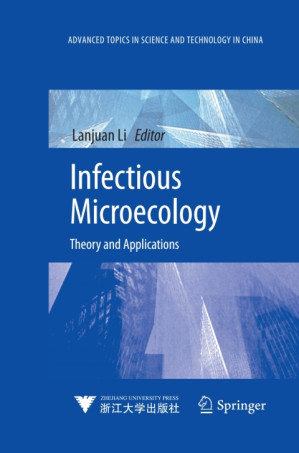
感染微生态学 理论与实践 英文版 🔍
李兰娟主编, 李兰娟主编, 李兰娟, Lanjuan Li, 李兰娟著, 李兰娟
杭州:浙江大学出版社, 2014, 2014
英语 [en] · 中文 [zh] · PDF · 168.3MB · 2014 · 📗 未知类型的图书 · 🚀/duxiu/zlibzh · Save
描述
1 (p1): 1 Infectious Microecology2 (p1-1): 1.1 ConceptionofInfectious Microecology2 (p1-1-1): 1.1.1 Defmition2 (p1-1-2): 1.1.2 Classification of Normal Microbiota α5 (p1-2): 1.2 History of Infectious Microecology5 (p1-2-1): 1.2.1 The Embryonic Stage of Microecology6 (p1-2-2): 1.2.2 The Lag Phase of Microecology6 (p1-2-3): 1.2.3 The Developmental Stage of Microecology7 (p1-2-4): 1.2.4 The Establishment and Development of Infectious Microecology8 (p1-3): 1.3 The Subject Characteristics of Infectious Microecology8 (p1-3-1): 1.3.1 Subiect Relations9 (p1-3-2): 1.3.2 Subject Core9 (p1-3-3): 1.3.3 Infectious Microecology Is a Basic Subject10 (p1-3-4): 1.3.4 Infectious Microecology Is an Applied Subject11 (p1-4): 1.4 The Classification of Infection11 (p1-4-1): 1.4.1 Types of Infection13 (p1-4-2): 1.4.2 The Evolution of Infection13 (p1-4-3): 1.4.3 The Outcome of Infection13 (p1-5): 1.5 Microecological Characteristics of Infection14 (p1-5-1): 1.5.1 Microecology Helps to Build and Maintain the Host's Immune Systems15 (p1-5-2): 1.5.2 Dynamic Balances between Microecology and Host15 (p1-5-3): 1.5.3 Many Infections are Correlated with Microecological Imbalance16 (p1-6): 1.6 The Microecological Mechanism of Infection16 (p1-6-1): 1.6.1 Occurrence of Infection17 (p1-6-2): 1.6.2 Development of Infection17 (p1-6-3): 1.6.3 Outcome of Infection18 (p1-7): 1.7 Prevention and Control of Infections Using Infectious Microecology Theories18 (p1-7-1): 1.7.1 The Revolution in Infection Prevention and Control Strategy19 (p1-7-2): 1.7.2 Mechanisms for Preventing and Controlling Infections with Microecological Modulators19 (p1-7-3): 1.7.3 Frequently Used Microecological Modulators19 (p1-7-4): 1.7.4 Prospects of Infection Prevention and Control Using Infectious Microecology Theories20 (p1-8): References23 (p2): 2 Human Microbiota and Its Function24 (p2-1): 2.1 Metabolic Functions27 (p2-2): 2.2 Trophic Functions27 (p2-3): 2.3 Interaction between Gut Bacteria and...
备用文件名
zlibzh/no-category/李兰娟主编, 李兰娟主编, 李兰娟, Lanjuan Li, 李兰娟著, 李兰娟/感染微生态学 理论与实践 英文版_29527364.pdf
备选标题
Infectious Microecology: Theory And Applications (advanced Topics In Science And Technology In China)
备选作者
Michele Manuel
备选作者
Li, Lanjuan
备用出版商
Springer Spektrum. in Springer-Verlag GmbH
备用出版商
Springer ; Zhejiang University Press
备用出版商
Zhejiang University Press ; Springer
备用出版商
Steinkopff. in Springer-Verlag GmbH
备用出版商
Springer Berlin Heidelberg
备用出版商
Springer London, Limited
备用出版商
Springer; Li Lanjuan
备用出版商
Springer Nature
备用版本
Advanced topics in science and technology in China, Hangzhou Berlin Heidelberg, 2014
备用版本
Advanced topics in science and technology in China, Heidelberg, Hangzhou, 2014
备用版本
Advanced Topics in Science and Technology in China, 2015
备用版本
Springer Nature, Heidelberg, 2014
备用版本
China, People's Republic, China
备用版本
Germany, Germany
备用版本
Aug 11, 2016
备用版本
4, 20151116
元数据中的注释
Bookmarks: p1 (p1): 1 Infectious Microecology
p1-1 (p2): 1.1 ConceptionofInfectious Microecology
p1-1-1 (p2): 1.1.1 Defmition
p1-1-2 (p2): 1.1.2 Classification of Normal Microbiota α
p1-2 (p5): 1.2 History of Infectious Microecology
p1-2-1 (p5): 1.2.1 The Embryonic Stage of Microecology
p1-2-2 (p6): 1.2.2 The Lag Phase of Microecology
p1-2-3 (p6): 1.2.3 The Developmental Stage of Microecology
p1-2-4 (p7): 1.2.4 The Establishment and Development of Infectious Microecology
p1-3 (p8): 1.3 The Subject Characteristics of Infectious Microecology
p1-3-1 (p8): 1.3.1 Subiect Relations
p1-3-2 (p9): 1.3.2 Subject Core
p1-3-3 (p9): 1.3.3 Infectious Microecology Is a Basic Subject
p1-3-4 (p10): 1.3.4 Infectious Microecology Is an Applied Subject
p1-4 (p11): 1.4 The Classification of Infection
p1-4-1 (p11): 1.4.1 Types of Infection
p1-4-2 (p13): 1.4.2 The Evolution of Infection
p1-4-3 (p13): 1.4.3 The Outcome of Infection
p1-5 (p13): 1.5 Microecological Characteristics of Infection
p1-5-1 (p14): 1.5.1 Microecology Helps to Build and Maintain the Host's Immune Systems
p1-5-2 (p15): 1.5.2 Dynamic Balances between Microecology and Host
p1-5-3 (p15): 1.5.3 Many Infections are Correlated with Microecological Imbalance
p1-6 (p16): 1.6 The Microecological Mechanism of Infection
p1-6-1 (p16): 1.6.1 Occurrence of Infection
p1-6-2 (p17): 1.6.2 Development of Infection
p1-6-3 (p17): 1.6.3 Outcome of Infection
p1-7 (p18): 1.7 Prevention and Control of Infections Using Infectious Microecology Theories
p1-7-1 (p18): 1.7.1 The Revolution in Infection Prevention and Control Strategy
p1-7-2 (p19): 1.7.2 Mechanisms for Preventing and Controlling Infections with Microecological Modulators
p1-7-3 (p19): 1.7.3 Frequently Used Microecological Modulators
p1-7-4 (p19): 1.7.4 Prospects of Infection Prevention and Control Using Infectious Microecology Theories
p1-8 (p20): References
p2 (p23): 2 Human Microbiota and Its Function
p2-1 (p24): 2.1 Metabolic Functions
p2-2 (p27): 2.2 Trophic Functions
p2-3 (p27): 2.3 Interaction between Gut Bacteria and Host Immunity
p2-4 (p28): 2.4 Protective Functions:The Barrier Effect
p2-5 (p29): References
p3 (p33): 3 Infectious Microecology and Immunology
p3-1 (p33): 3.1 Infection and Immunity
p3-1-1 (p34): 3.1.1 Immunity Response to Microbes
p3-1-2 (p34): 3.1.2 Immune Responses to Extracellular Bacteria
p3-1-3 (p35): 3.1.3 Immune Responses to Intracellular Bacteria
p3-1-4 (p36): 3.1.4 Immune Responses to Fungi
p3-2 (p36): 3.2 Infectious Microecology and Immunology
p3-2-1 (p37): 3.2.1 Intestinal Microbes and Intestinal Barrier
p3-2-2 (p39): 3.2.2 Intestinal Microecology and Host Immunity
p3-3 (p42): 3.3 Hepatic Microecology and Immunity
p3-3-1 (p42): 3.3.1 Liver Involvement in Innate Immunity
p3-3-2 (p45): 3.3.2 Liver Involvement in Adaptive Immunity
p3-4 (p46): 3.4 Liver's Immune Privilege
p3-5 (p49): References
p4 (p59): 4 Microecology Disturbance and Infection
p4-1 (p59): 4.1 Microecology Disturbance
p4-1-1 (p60): 4.1.1 Concept of Microecology Disturbance
p4-1-2 (p60): 4.1.2 Classification of Microecology Disturbance
p4-1-3 (p64): 4.1.3 Influencing Factors of Microecology Disturbance
p4-2 (p68): 4.2 Infection
p4-2-1 (p69): 4.2.1 The Concept of Infection
p4-2-2 (p70): 4.2.2 Types of Infection
p4-2-3 (p71): 4.2.3 Etiologic Agent of Infection
p4-2-4 (p74): 4.2.4 Epidemic Links of Infection
p4-3 (p75): 4.3 The Relation between Microecology Disturbance and Infection
p4-3-1 (p76): 4.3.1 Traditional Biological Pathogeny Theory
p4-3-2 (p76): 4.3.2 Ecological Pathogeny Theory
p4-3-3 (p76): 4.3.3 The Significance of Infection
p4-3-4 (p78): 4.3.4 Microdysbiosis Induces Infection Diseases
p4-3-5 (p79): 4.3.5 Mechanism of Microorganisms and Host
p4-4 (p80): References
p5 (p83): 5 Nosocomial Infections and Bacterial Resistance
p5-1 (p84): 5.1 Nosocomial Infections
p5-1-1 (p84): 5.1.1 Introduction
p5-1-2 (p85): 5.1.2 Epidemiology of Nosocomial Infections
p5-1-3 (p89): 5.1.3 Pathogens of Nosocomial Infections
p5-1-4 (p91): 5.1.4 Common Nosocomial Infections
p5-1-5 (p99): 5.1.5 Prevention of Nosocomial Infections
p5-2 (p103): 5.2 Bacterial Resistance
p5-2-1 (p103): 5.2.1 Prevalence of Bacterial Resistance
p5-2-2 (p110): 5.2.2 Mechanisms of Bacterial Resistance
p5-2-3 (p124): 5.2.3 Strategies to Control Bacterial Resistance
p5-3 (p124): References
p6 (p133): 6 Microbial Culture and Its Clinical Application
p6-1 (p133): 6.1 Conventional Microbial Culture and Clinical Application
p6-1-1 (p133): 6.1.1 Clinical Blood Culture
p6-1-2 (p135): 6.1.2 Clinical Body Fluids Culture
p6-1-3 (p136): 6.1.3 Clinical Urine Culture
p6-1-4 (p137): 6.1.4 Culture of Specimens from Gastrointestinal Tract
p6-2 (p137): 6.2 Requirements for Collection of Cultural or Non-Cultural Specimens
p6-2-1 (p137): 6.2.1 Conventional Principles for Collection and Transportation of Specimens Used for Culture
p6-2-2 (p139): 6.2.2 Special Conditions for Collecting Specimens Used for'Non-Routine'Culture
p6-2-3 (p140): 6.2.3 Inoculating Samples in an Optimal Media:Selection of the Culture Media
p6-3 (p142): 6.3 Clinical Choice ofMicrobial Culture or Non-Culture
p6-3-1 (p142): 6.3.1 Overview of Microbial Culture and Non-Culture Based Methods
p6-3-2 (p144): 6.3.2 Clinical Indication of Microbial Culture and Non-Culture
p6-4 (p146): 6.4 Interpretation of the Microbial Culture Results
p6-4-1 (p147): 6.4.1 Interpreting the Positive Results of the Microbial Culture
p6-4-2 (p149): 6.4.2 Interpreting the Negative Results of the Microbial Culture
p6-5 (p150): References
p7 (p153): 7 Molecular Microecological Techniques
p7-1 (p154): 7.1 Introduction
p7-2 (p156): 7.2 Size Pattern Analysis—T-RFLP Polymorphism Analysis of 16S rRNA Genes
p7-3 (p159): 7.3 Melting Pattern Analysis—PCR-DGGE Analysis of 16S rRNA Genes
p7-4 (p165): 7.4 FISH
p7-5 (p168): 7.5 Microarray Applications in Microbial Ecology Research
p7-6 (p172): 7.6 Cloning Library Construction and Sequencing
p7-7 (p174): 7.7 Next-Generation Sequencing Techniques for Microbial Ecology Research
p7-8 (p180): 7.8 Conclusion
p7-9 (p180): References
p8 (p189): 8 Metabonomic Phenotyping for the Gut Microbiota and Mammal Interactions
p8-1 (p189): 8.1 Mammals Are'Superorganisms'
p8-2 (p190): 8.2 Co-Metabolisms and the Mammal-Microbiome Interactions
p8-3 (p191): 8.3 Metabonomic Phenotyping for Mammals
p8-4 (p194): 8.4 Future Perspectives
p8-5 (p194): References
p9 (p203): 9 Bioinformatics for Genomes and Metagenomes in Ecology Studies
p9-1 (p203): 9.1 Introduction to Advances in Microbial Ecology
p9-2 (p204): 9.2 16S rDNA in Ecology Studies
p9-3 (p205): 9.3 16S rDNA Gene Analysis
p9-4 (p207): 9.4 Metagenomics
p9-5 (p208): 9.5 Recent Applications of Environmental Metagenomic Sequencing
p9-6 (p209): 9.6 Analysis of Viral Communities
p9-7 (p209): 9.7 Assembly of Sequence Data
p9-8 (p211): 9.8 Assembly:Strategies
p9-9 (p212): 9.9 Assembly:Future Directions
p9-10 (p215): 9.10 Fragment Recruitment
p9-11 (p216): 9.11 Taxonomic Classification
p9-12 (p216): 9.12 MGTAXA
p9-13 (p217): 9.13 High Performance Computing
p9-14 (p218): 9.14 Functional Annotation
p9-15 (p218): 9.15 Analysis of Eukaryotes in Ecology Studies
p9-16 (p219): 9.16 Challenges Presented by Data Volume(Computational and Storage Requirements,Cloud Computing Solutions)
p9-17 (p221): 9.17 Future Directions
p9-18 (p222): References
p10 (p227): 10 Ecology of Oral Infectious Diseases
p10-1 (p228): 10.1 Ecological Basis
p10-1-1 (p229): 10.1.1 Oral Biotic Area
p10-1-2 (p231): 10.1.2 Normal Oral Microflora
p10-1-3 (p244): 10.1.3 Saliva and Dental Plaque Biofilm
p10-2 (p253): 10.2 Oral Infectious Diseases
p10-2-1 (p253): 10.2.1 Dental Caries
p10-2-2 (p267): 10.2.2 Pulpal and Periapical Diseases
p10-2-3 (p273): 10.2.3 Periodontal Disease
p10-2-4 (p285): 10.2.4 Maxillofacial Infectious Diseases
p10-2-5 (p287): 10.2.5 Oral Mucosal Infections
p10-2-6 (p290): 10.2.6 Secondary Infection from the Wearing of Dentures
p10-3 (p291): References
p11 (p293): 11 Gastrointestinal Infectious Microecology
p11-1 (p293): 11.1 Microbiota in Health
p11-1-1 (p293): 11.1.1 Normal Microbiota in the Stomach
p11-1-2 (p294): 11.1.2 Normal Microbiota in the Intestine
p11-1-3 (p295): 11.1.3 Physiological Functions of Gastrointestinal Microbiota
p11-1-4 (p296): 11.1.4 Factors Affecting Gastrointestinal Microecological Balance of the Host
p11-2 (p298): 11.2 Helicobacter Pylori and Gastroduodenal Disease
p11-2-1 (p298): 11.2.1 Helicobacter Pylori and Chronic Gastritis
p11-2-2 (p298): 11.2.2 Helicobacter Pylori and Peptic Ulcer
p11-2-3 (p299): 11.2.3 Helicobacter Pylori and Gastric Cancer
p11-2-4 (p299): 11.2.4 Diagnosis for H. Pylori Infection
p11-2-5 (p301): 11.2.5 Treatment
p11-3 (p301): 11.3 Inflammatory Bowel Disease
p11-3-1 (p301): 11.3.1 Role of Microbiota
p11-3-2 (p302): 11.3.2 Immune Response
p11-3-3 (p302): 11.3.3 Clinical Findings and Diagnosis
p11-3-4 (p303): 11.3.4 Treatment
p11-4 (p304): 11.4 Infectious Diarrhea
p11-4-1 (p304): 11.4.1 Diarrhea Caused by Toxins
p11-4-2 (p305): 11.4.2 Diarrhea Caused by Invasive Pathogens
p11-4-3 (p305): 11.4.3 Diarrhea Caused by Viruses
p11-4-4 (p305): 11.4.4 Diagnosis
p11-4-5 (p306): 11.4.5 Treatment
p11-5 (p306): 11.5 Irritable Bowel Syndrome
p11-5-1 (p307): 11.5.1 Etiology
p11-5-2 (p308): 11.5.2 Clinical Findings and Diagnosis
p11-5-3 (p309): 11.5.3 Treatment
p11-6 (p309): 11.6 Antibiotic-Associated Diarrhea
p11-6-1 (p309): 11.6.1 Pathogenesis
p11-6-2 (p310): 11.6.2 Clinical Findings and Diagnosis
p11-6-3 (p311): 11.6.3 Treatment
p11-7 (p311): 11.7 Colorectal Cancer
p11-7-1 (p312): 11.7.1 Pathogenesis
p11-7-2 (p313): 11.7.2 Symptoms
p11-7-3 (p313): 11.7.3 Diagnosis
p11-7-4 (p314): 11.7.4 Treatment
p11-8 (p314): 11.8 Gastrointestinal Tuberculosis
p11-9 (p315): References
p12 (p317): 12 Infectious Microecology in Liver Disease
p12-1 (p318): 12.1 An Overview ofInfectious Microecology in Liver Disease
p12-1-1 (p318): 12.1.1 Liver Anatomy and Enterohepatic Recycling
p12-1-2 (p318): 12.1.2 Gut-Liver Axis
p12-1-3 (p319): 12.1.3 The Role of Kupffer Cells in Liver Disease
p12-1-4 (p319): 12.1.4 Endotoxin Activates Kupffer Cells in Liver Disease
p12-1-5 (p321): 12.1.5 Pathogenesis of Bacterial Translocation in Liver Disease
p12-2 (p322): 12.2 Gut Microflora in the Pathogenesis of the Complications of Cirrhosis
p12-2-1 (p323): 12.2.1 Bacterial Infections in Cirrhosis
p12-2-2 (p323): 12.2.2 Sources and Types of Bacterial Infection in Cirrhosis
p12-2-3 (p324): 12.2.3 Bacteria Translocation in the Pathogenesis of Spontaneous Bacterial Peritonitis in Cirrhosis
p12-2-4 (p324): 12.2.4 Gut Flora and the Hyperdynamic Circulatory State in Cirrhosis
p12-2-5 (p325): 12.2.5 The Gut Flora and Hepatic Encephalopathy
p12-3 (p326): 12.3 Modulation of Intestinal Microbiota as a Therapeutic Strategy of Liver Disease
p12-3-1 (p326): 12.3.1 Manipulation of Gut Flora and Its Effect on Infections in Cirrhosis
p12-3-2 (p329): 12.3.2 Manipulation of Gut Flora and Its Effect on Infections in Liver Transplants
p12-4 (p329): References
p13 (p333): 13 Biliary Infection,Pancreatic Infection and Microecology
p13-1 (p333): 13.1 Biliary Infection and Microecology
p13-1-1 (p334): 13.1.1 Microecology Foundation of Biliary Tract System
p13-1-2 (p338): 13.1.2 Biliary Infection and Microecology
p13-1-3 (p343): 13.1.3 Microecology Treatment of Biliary Tract Infection
p13-2 (p349): 13.2 Pancreatic Infection and Microecology
p13-2-1 (p350): 13.2.1 Microecology Foundation of the Pancreas
p13-2-2 (p351): 13.2.2 Pancreatic Infection and Microecology
p13-2-3 (p359): 13.2.3 Microecology Therapies for Pancreatic Infection
p13-3 (p367): References
p14 (p377): 14 Infectious Microecology in Urinary Tract and Reproductive System
p14-1 (p377): 14.1 Introduction
p14-2 (p378): 14.2 Infections of the Urinary Tract
p14-2-1 (p378): 14.2.1 Definitions
p14-2-2 (p379): 14.2.2 Classification
p14-3 (p380): 14.3 Diagnosis
p14-3-1 (p381): 14.3.1 Upper Urinary Tract Infection(UUTI)
p14-3-2 (p390): 14.3.2 Lowerr Urinaru Tract Infections (LUTI)
p14-3-3 (p395): 14.3.3 Factors Increasing Morbidity and/or Mortality
p14-4 (p396): 14.4 Prostatitis and Related Disorders
p14-4-1 (p397): 14.4.1 Epidemiology
p14-4-2 (p398): 14.4.2 Pathophysiology
p14-4-3 (p398): 14.4.3 Clinical Presentation and Diagnostic Evaluation
p14-4-4 (p399): 14.4.4 Causative Pathogens in Prostatitis
p14-4-5 (p400): 14.4.5 Treatment of Bacterial Prostatitis
p14-4-6 (p403): 14.4.6 Conclusions
p14-5 (p403): References
p15 (p411): 15 Infectious Microecology in the Diseases of the Respiratory System
p15-1 (p411): 15.1 Ecological Space and Microecological Characteristics of the Respiratory System
p15-1-1 (p411): 15.1.1 Non-Specific Defense Mechanism
p15-1-2 (p413): 15.1.2 Specific Defense Mechanism
p15-2 (p414): 15.2 Microecology and Microecology Changes in Respiratory System Infection
p15-3 (p416): 15.3 Microecology of Respiratory System Fungal Infection
p15-3-1 (p416): 15.3.1 Pulmonary Candidiasis
p15-3-2 (p417): 15.3.2 Pulmonary Aspergillosis
p15-3-3 (p417): 15.3.3 Pulmonary Cryptococcosis
p15-3-4 (p418): 15.3.4 Pulmonary Coccidioidomycosis
p15-4 (p418): 15.4 Microecology of Respiratory System Viral Infection
p15-5 (p419): 15.5 Microecology of Respiratory System Mycobacterial Infection
p15-5-1 (p420): 15.5.1 Pulmonary Tuberculosis
p15-5-2 (p424): 15.5.2 Non-Tuberculous Mycobacterial Disease
p15-6 (p426): 15.6 Main Measures of Microecological Prevention/Treatment and Respiratory System Ecological Prevention/Treatment in Anti-Infective Therapy
p15-7 (p428): References
p16 (p431): 16 Infectious Microecology of Skin
p16-1 (p431): 16.1 Histological Structures of Skin
p16-1-1 (p432): 16.1.1 Epidermis
p16-1-2 (p433): 16.1.2 The Dermis
p16-1-3 (p434): 16.1.3 Subcutaneous Tissue
p16-1-4 (p434): 16.1.4 Cutaneous Appendages:The Adnexa
p16-2 (p436): 16.2 Functions of Skin
p16-2-1 (p436): 16.2.1 Biological Barrier Function of Skin
p16-2-2 (p437): 16.2.2 Immune Function of Skin
p16-2-3 (p439): 16.2.3 Functions of the Sweat Gland and Sebaceous Gland
p16-2-4 (p441): 16.2.4 Nutritional Metabolism of Skin
p16-2-5 (p442): 16.2.5 Thermo-Regulation of Skin
p16-3 (p443): 16.3 Characteristics of Cutaneous Microecology
p16-3-1 (p443): 16.3.1 Normal Microbial Community of the Skin
p16-3-2 (p448): 16.3.2 Influential Factors of Cutaneous Normal Microflora
p16-3-3 (p454): 16.3.3 Physiological Function of Normal Cutaneous Microfloras
p16-4 (p455): 16.4 Microecological Disturbance and Cutaneous Disorders
p16-4-1 (p455): 16.4.1 Bacteria and Cutaneous Diseases
p16-4-2 (p457): 16.4.2 Fungi and Cutaneous Diseases
p16-4-3 (p463): 16.4.3 Virus and Cutaneous Diseases
p16-4-4 (p466): 16.4.4 Warts
p16-5 (p468): 16.5 Ecological Prevention and Treatment of Cutaneous Diseases
p16-5-1 (p468): 16.5.1 Protect the Macroecological Environment
p16-5-2 (p468): 16.5.2 Improve the Microecological Environment
p16-5-3 (p470): 16.5.3 Use Antibiotics Appropriately
p16-5-4 (p470): 16.5.4 Apply the Microecological Reagents
p16-6 (p473): 16.6 Prospects
p16-7 (p474): References
p17 (p477): 17 Infectious Microecology of the Hematological System
p17-1 (p477): 17.1 Defensive Function of Blood
p17-1-1 (p478): 17.1.1 Cellular Components of Blood
p17-1-2 (p479): 17.1.2 Non-Cellular Components of Blood
p17-2 (p480): 17.2 Molecular Ecology and Hematological Disease
p17-2-1 (p481): 17.2.1 Apoptosis and Hematological Disease
p17-2-2 (p487): 17.2.2 Oncogenes,Tumor Suppressor Genes and Signal Conducting Molecules
p17-2-3 (p491): 17.2.3 Telomere Telomerase
p17-3 (p493): 17.3 Microecological Changes and Hematologic Diseases
p17-3-1 (p493): 17.3.1 Helicobacter Pylori and Primary Gastric Lymphoma
p17-3-2 (p495): 17.3.2 Microecological Changes and Erythrocyte Disorders
p17-3-3 (p499): 17.3.3 Microecological Changes and Leukocyte Diseases
p17-3-4 (p502): 17.3.4 Infection and Bleeding Disorders
p17-4 (p507): 17.4 Treatment of Hematologic Diseases and Infective Microecology
p17-4-1 (p507): 17.4.1 Predisposing Factors and Pathogens
p17-4-2 (p509): 17.4.2 The Principles of Treatment
p17-5 (p510): 17.5 Molecular Ecological Treatment
p17-5-1 (p510): 17.5.1 Genic Ecological Treatment
p17-5-2 (p513): 17.5.2 Immune Ecological Treatment
p17-6 (p515): References
p18 (p519): 18 Infectious Microecology in Solid-Organ Transplantation
p18-1 (p520): 18.1 Screening of Donor and Recipient Prior to Solid-Organ Transplantation
p18-1-1 (p520): 18.1.1 Donor-Derived Infections
p18-1-2 (p521): 18.1.2 Recipient-Derived Infections
p18-2 (p522): 18.2 Timeline ofInfection Post-Transplantation
p18-2-1 (p523): 18.2.1 Early Period(1-4 weeks)
p18-2-2 (p523): 18.2.2 Intermediate Period(1-6 months)
p18-2-3 (p523): 18.2.3 Late Period (After 6 months)
p18-3 (p524): 18.3 Prevention of Infection in Solid-Organ Transplantation
p18-3-1 (p524): 18.3.1 Viral Infections
p18-3-2 (p527): 18.3.2 Bacterial Infections
p18-3-3 (p528): 18.3.3 Fungal Infections
p18-3-4 (p530): 18.3.4 Parasitic Infections
p18-4 (p531): References
p19 (p533): 19 Microecology of Infections Associated with Surgery and Trauma
p19-1 (p534): 19.1 Main Pathogenic Bacteria Associated with Surgical and Trauma-Related Infections
p19-1-1 (p534): 19.1.1 Changes to the Spectrum of the Pathogenic Bacteria
p19-1-2 (p538): 19.1.2 Predominant Pathogenic Bacteria
p19-1-3 (p541): 19.1.3 Primary Pathogenic Factors
p19-2 (p542): 19.2 Post-Surgery-and Post-Trauma-Related Wound Infections
p19-2-1 (p543): 19.2.1 Etiology and Pathogenesis of Wound Infections
p19-2-2 (p543): 19.2.2 Prevention and Treatment of Wound Infections
p19-3 (p547): 19.3 Intra-Abdominal Infections Associated with Surgery and Trauma
p19-3-1 (p547): 19.3.1 Acute Peritonitis Resulting from Surgery and Trauma
p19-3-2 (p549): 19.3.2 Intra-Abdominal Abscesses after Surgery and Trauma
p19-4 (p550): 19.4 Enterogenic Infections Associated with Post-Surgery and Trauma
p19-4-1 (p551): 19.4.1 Intestinal Barrier Function
p19-4-2 (p554): 19.4.2 Intestinal Barrier Function and Bacterial Translocation
p19-4-3 (p556): 19.4.3 Clinical Manifestations of Enterogenic Infections
p19-4-4 (p557): 19.4.4 Prevention and Treatment of Enterogenic Infections
p19-5 (p558): 19.5 Preventionand Prognosis of Surgical and TraumaticInfections
p19-5-1 (p559): 19.5.1 Prevention of Post-Surgical and Post-Traumatic Infections
p19-5-2 (p561): 19.5.2 Conventional Treatments Associated with Surgery and Wound Infections
p19-5-3 (p563): 19.5.3 Complications of Severe Surgical and Wound Infections Prevention and Treatment of Sepsis and MOF
p19-5-4 (p566): 19.5.4 Future Directions
p19-6 (p566): References
p20 (p569): 20 Infective Microecology of Chemotherapy and Radiotherapy
p20-1 (p569): 20.1 Mechanisrn of Chemotherapy and Radiotherapy
p20-1-1 (p569): 20.1.1 Chemotherapy
p20-1-2 (p572): 20.1.2 Radiotherapy
p20-2 (p574): 20.2 Chemotherapy and Radiotherapy Effect on Microecology
p20-2-1 (p574): 20.2.1 Cancer Patients and Microecology
p20-2-2 (p578): 20.2.2 Microdysbiosis in Cancer Patients
p20-3 (p580): 20.3 Microecology of Infection Caused by Radiotherapy and Chemotherapy
p20-3-1 (p581): 20.3.1 Prevention and Treatment of Infection-Related Chemotherapy Toxicity
p20-3-2 (p582): 20.3.2 Prevention and Treatment of Infection-Related Radiotherapy Toxicity
p20-3-3 (p584): 20.3.3 Prevention and Treatment of Cancer Patients Infection
p20-3-4 (p587): 20.3.4 Microecological Control of Cancer Patients
p20-4 (p589): 20.4 Prospects
p20-5 (p590): References
p21 (p593): 21 Infectious Microecology in Immunodeficiency Diseases
p21-1 (p594): 21.1 HIV Immune Deficiency,Old View
p21-2 (p595): 21.2 Immune Activation in HIV Infection
p21-3 (p596): 21.3 Breakdown of Mucosal Immunity
p21-4 (p598): 21.4 Solving the Problem from the Microecological Viewpoint
p21-5 (p600): 21.5 HIV-1 Infection in Mucosa Scope
p21-6 (p601): 21.6 Through Microbiota and Beyond
p21-7 (p604): 21.7 Probiotics and HIV
p21-8 (p605): References
p22 (p611): 22 Microecology Intervention in Prevention and Treatment of Infectious Diseases
p22-1 (p611): 22.1 Theoretical Basis of Microecological Prevention and Treatment
p22-1-1 (p612): 22.1.1 The Principle of Microecology Balance
p22-1-2 (p612): 22.1.2 Principles of Biological Antagonism
p22-1-3 (p613): 22.1.3 Biological Oxygen Consumption Hypothesis
p22-1-4 (p613): 22.1.4 Immune Activating
p22-1-5 (p613): 22.1.5 Nutritional Effect
p22-1-6 (p614): 22.1.6 Three Circulations Theory
p22-1-7 (p614): 22.1.7 Continuous Succession Effect
p22-2 (p615): 22.2 Microecological Modulators
p22-2-1 (p615): 22.2.1 Probiotics Definitions
p22-2-2 (p616): 22.2.2 Characteristics and Classification of Probiotics
p22-2-3 (p617): 22.2.3 Bio-Safety of Probiotics
p22-2-4 (p619): 22.2.4 Bifidobacterium Products
p22-2-5 (p620): 22.2.5 Lactobacillus Products
p22-2-6 (p622): 22.2.6 Bacillus Products
p22-2-7 (p623): 22.2.7 Saccharomyces Preparations
p22-2-8 (p624): 22.2.8 Enterococcus Preparations
p22-2-9 (p625): 22.2.9 Clostridium Butyricum Preparation
p22-3 (p625): 22.3 Prebiotics Preparation
p22-3-1 (p626): 22.3.1 Definition
p22-3-2 (p627): 22.3.2 Oligosaccharide as Prebiotics
p22-3-3 (p628): 22.3.3 Physiological Function
p22-4 (p631): 22.4 Application of Probiotics and Prebiotics
p22-4-1 (p631): 22.4.1 Gastrointestinal Tract Infection Diseases Prevention
p22-4-2 (p632): 22.4.2 Constipation Treatment
p22-4-3 (p633): 22.4.3 Prevention and Treatment of Hepatic Diseases
p22-4-4 (p635): 22.4.4 Prevention of Hypercholesterolemia
p22-4-5 (p635): 22.4.5 Treatment of Irritable Bowel Syndrome
p22-4-6 (p636): 22.4.6 Prevention and Treatment of Vaginal Infection Diseases
p22-4-7 (p636): 22.4.7 Application in Pediatric Diseases and Infant Care
p22-4-8 (p637): 22.4.8 Application in Antitumor
p22-5 (p638): References
p23 (p639): 23 Future Development of Infectious Microecology
p23-1 (p639): 23.1 Evolving View of Infectious Disease
p23-2 (p640): 23.2 Advances in Molecular Ecological Techniques
p23-3 (p641): 23.3 Normal Human Microbiota
p23-4 (p642): 23.4 Interactions between Infectious Diseases and Microbiota
p23-4-1 (p642): 23.4.1 Disturbance of Normal Microbiota by Therapy
p23-4-2 (p643): 23.4.2 Microbiota and Viral Infection
p23-4-3 (p644): 23.4.3 Microbiota and Autoimmunity Disease
p23-5 (p644): 23.5 Therapy
p23-5-1 (p644): 23.5.1 Probiotics or Prebiotics
p23-5-2 (p645): 23.5.2 Other Bacteriologic Therapy
p23-5-3 (p646): 23.5.3 The Role of Microbiota in Drug Metabolism
p23-6 (p646): 23.6 Summary and Prospects
p23-7 (p647): References
p24 (p649): Index
p1-1 (p2): 1.1 ConceptionofInfectious Microecology
p1-1-1 (p2): 1.1.1 Defmition
p1-1-2 (p2): 1.1.2 Classification of Normal Microbiota α
p1-2 (p5): 1.2 History of Infectious Microecology
p1-2-1 (p5): 1.2.1 The Embryonic Stage of Microecology
p1-2-2 (p6): 1.2.2 The Lag Phase of Microecology
p1-2-3 (p6): 1.2.3 The Developmental Stage of Microecology
p1-2-4 (p7): 1.2.4 The Establishment and Development of Infectious Microecology
p1-3 (p8): 1.3 The Subject Characteristics of Infectious Microecology
p1-3-1 (p8): 1.3.1 Subiect Relations
p1-3-2 (p9): 1.3.2 Subject Core
p1-3-3 (p9): 1.3.3 Infectious Microecology Is a Basic Subject
p1-3-4 (p10): 1.3.4 Infectious Microecology Is an Applied Subject
p1-4 (p11): 1.4 The Classification of Infection
p1-4-1 (p11): 1.4.1 Types of Infection
p1-4-2 (p13): 1.4.2 The Evolution of Infection
p1-4-3 (p13): 1.4.3 The Outcome of Infection
p1-5 (p13): 1.5 Microecological Characteristics of Infection
p1-5-1 (p14): 1.5.1 Microecology Helps to Build and Maintain the Host's Immune Systems
p1-5-2 (p15): 1.5.2 Dynamic Balances between Microecology and Host
p1-5-3 (p15): 1.5.3 Many Infections are Correlated with Microecological Imbalance
p1-6 (p16): 1.6 The Microecological Mechanism of Infection
p1-6-1 (p16): 1.6.1 Occurrence of Infection
p1-6-2 (p17): 1.6.2 Development of Infection
p1-6-3 (p17): 1.6.3 Outcome of Infection
p1-7 (p18): 1.7 Prevention and Control of Infections Using Infectious Microecology Theories
p1-7-1 (p18): 1.7.1 The Revolution in Infection Prevention and Control Strategy
p1-7-2 (p19): 1.7.2 Mechanisms for Preventing and Controlling Infections with Microecological Modulators
p1-7-3 (p19): 1.7.3 Frequently Used Microecological Modulators
p1-7-4 (p19): 1.7.4 Prospects of Infection Prevention and Control Using Infectious Microecology Theories
p1-8 (p20): References
p2 (p23): 2 Human Microbiota and Its Function
p2-1 (p24): 2.1 Metabolic Functions
p2-2 (p27): 2.2 Trophic Functions
p2-3 (p27): 2.3 Interaction between Gut Bacteria and Host Immunity
p2-4 (p28): 2.4 Protective Functions:The Barrier Effect
p2-5 (p29): References
p3 (p33): 3 Infectious Microecology and Immunology
p3-1 (p33): 3.1 Infection and Immunity
p3-1-1 (p34): 3.1.1 Immunity Response to Microbes
p3-1-2 (p34): 3.1.2 Immune Responses to Extracellular Bacteria
p3-1-3 (p35): 3.1.3 Immune Responses to Intracellular Bacteria
p3-1-4 (p36): 3.1.4 Immune Responses to Fungi
p3-2 (p36): 3.2 Infectious Microecology and Immunology
p3-2-1 (p37): 3.2.1 Intestinal Microbes and Intestinal Barrier
p3-2-2 (p39): 3.2.2 Intestinal Microecology and Host Immunity
p3-3 (p42): 3.3 Hepatic Microecology and Immunity
p3-3-1 (p42): 3.3.1 Liver Involvement in Innate Immunity
p3-3-2 (p45): 3.3.2 Liver Involvement in Adaptive Immunity
p3-4 (p46): 3.4 Liver's Immune Privilege
p3-5 (p49): References
p4 (p59): 4 Microecology Disturbance and Infection
p4-1 (p59): 4.1 Microecology Disturbance
p4-1-1 (p60): 4.1.1 Concept of Microecology Disturbance
p4-1-2 (p60): 4.1.2 Classification of Microecology Disturbance
p4-1-3 (p64): 4.1.3 Influencing Factors of Microecology Disturbance
p4-2 (p68): 4.2 Infection
p4-2-1 (p69): 4.2.1 The Concept of Infection
p4-2-2 (p70): 4.2.2 Types of Infection
p4-2-3 (p71): 4.2.3 Etiologic Agent of Infection
p4-2-4 (p74): 4.2.4 Epidemic Links of Infection
p4-3 (p75): 4.3 The Relation between Microecology Disturbance and Infection
p4-3-1 (p76): 4.3.1 Traditional Biological Pathogeny Theory
p4-3-2 (p76): 4.3.2 Ecological Pathogeny Theory
p4-3-3 (p76): 4.3.3 The Significance of Infection
p4-3-4 (p78): 4.3.4 Microdysbiosis Induces Infection Diseases
p4-3-5 (p79): 4.3.5 Mechanism of Microorganisms and Host
p4-4 (p80): References
p5 (p83): 5 Nosocomial Infections and Bacterial Resistance
p5-1 (p84): 5.1 Nosocomial Infections
p5-1-1 (p84): 5.1.1 Introduction
p5-1-2 (p85): 5.1.2 Epidemiology of Nosocomial Infections
p5-1-3 (p89): 5.1.3 Pathogens of Nosocomial Infections
p5-1-4 (p91): 5.1.4 Common Nosocomial Infections
p5-1-5 (p99): 5.1.5 Prevention of Nosocomial Infections
p5-2 (p103): 5.2 Bacterial Resistance
p5-2-1 (p103): 5.2.1 Prevalence of Bacterial Resistance
p5-2-2 (p110): 5.2.2 Mechanisms of Bacterial Resistance
p5-2-3 (p124): 5.2.3 Strategies to Control Bacterial Resistance
p5-3 (p124): References
p6 (p133): 6 Microbial Culture and Its Clinical Application
p6-1 (p133): 6.1 Conventional Microbial Culture and Clinical Application
p6-1-1 (p133): 6.1.1 Clinical Blood Culture
p6-1-2 (p135): 6.1.2 Clinical Body Fluids Culture
p6-1-3 (p136): 6.1.3 Clinical Urine Culture
p6-1-4 (p137): 6.1.4 Culture of Specimens from Gastrointestinal Tract
p6-2 (p137): 6.2 Requirements for Collection of Cultural or Non-Cultural Specimens
p6-2-1 (p137): 6.2.1 Conventional Principles for Collection and Transportation of Specimens Used for Culture
p6-2-2 (p139): 6.2.2 Special Conditions for Collecting Specimens Used for'Non-Routine'Culture
p6-2-3 (p140): 6.2.3 Inoculating Samples in an Optimal Media:Selection of the Culture Media
p6-3 (p142): 6.3 Clinical Choice ofMicrobial Culture or Non-Culture
p6-3-1 (p142): 6.3.1 Overview of Microbial Culture and Non-Culture Based Methods
p6-3-2 (p144): 6.3.2 Clinical Indication of Microbial Culture and Non-Culture
p6-4 (p146): 6.4 Interpretation of the Microbial Culture Results
p6-4-1 (p147): 6.4.1 Interpreting the Positive Results of the Microbial Culture
p6-4-2 (p149): 6.4.2 Interpreting the Negative Results of the Microbial Culture
p6-5 (p150): References
p7 (p153): 7 Molecular Microecological Techniques
p7-1 (p154): 7.1 Introduction
p7-2 (p156): 7.2 Size Pattern Analysis—T-RFLP Polymorphism Analysis of 16S rRNA Genes
p7-3 (p159): 7.3 Melting Pattern Analysis—PCR-DGGE Analysis of 16S rRNA Genes
p7-4 (p165): 7.4 FISH
p7-5 (p168): 7.5 Microarray Applications in Microbial Ecology Research
p7-6 (p172): 7.6 Cloning Library Construction and Sequencing
p7-7 (p174): 7.7 Next-Generation Sequencing Techniques for Microbial Ecology Research
p7-8 (p180): 7.8 Conclusion
p7-9 (p180): References
p8 (p189): 8 Metabonomic Phenotyping for the Gut Microbiota and Mammal Interactions
p8-1 (p189): 8.1 Mammals Are'Superorganisms'
p8-2 (p190): 8.2 Co-Metabolisms and the Mammal-Microbiome Interactions
p8-3 (p191): 8.3 Metabonomic Phenotyping for Mammals
p8-4 (p194): 8.4 Future Perspectives
p8-5 (p194): References
p9 (p203): 9 Bioinformatics for Genomes and Metagenomes in Ecology Studies
p9-1 (p203): 9.1 Introduction to Advances in Microbial Ecology
p9-2 (p204): 9.2 16S rDNA in Ecology Studies
p9-3 (p205): 9.3 16S rDNA Gene Analysis
p9-4 (p207): 9.4 Metagenomics
p9-5 (p208): 9.5 Recent Applications of Environmental Metagenomic Sequencing
p9-6 (p209): 9.6 Analysis of Viral Communities
p9-7 (p209): 9.7 Assembly of Sequence Data
p9-8 (p211): 9.8 Assembly:Strategies
p9-9 (p212): 9.9 Assembly:Future Directions
p9-10 (p215): 9.10 Fragment Recruitment
p9-11 (p216): 9.11 Taxonomic Classification
p9-12 (p216): 9.12 MGTAXA
p9-13 (p217): 9.13 High Performance Computing
p9-14 (p218): 9.14 Functional Annotation
p9-15 (p218): 9.15 Analysis of Eukaryotes in Ecology Studies
p9-16 (p219): 9.16 Challenges Presented by Data Volume(Computational and Storage Requirements,Cloud Computing Solutions)
p9-17 (p221): 9.17 Future Directions
p9-18 (p222): References
p10 (p227): 10 Ecology of Oral Infectious Diseases
p10-1 (p228): 10.1 Ecological Basis
p10-1-1 (p229): 10.1.1 Oral Biotic Area
p10-1-2 (p231): 10.1.2 Normal Oral Microflora
p10-1-3 (p244): 10.1.3 Saliva and Dental Plaque Biofilm
p10-2 (p253): 10.2 Oral Infectious Diseases
p10-2-1 (p253): 10.2.1 Dental Caries
p10-2-2 (p267): 10.2.2 Pulpal and Periapical Diseases
p10-2-3 (p273): 10.2.3 Periodontal Disease
p10-2-4 (p285): 10.2.4 Maxillofacial Infectious Diseases
p10-2-5 (p287): 10.2.5 Oral Mucosal Infections
p10-2-6 (p290): 10.2.6 Secondary Infection from the Wearing of Dentures
p10-3 (p291): References
p11 (p293): 11 Gastrointestinal Infectious Microecology
p11-1 (p293): 11.1 Microbiota in Health
p11-1-1 (p293): 11.1.1 Normal Microbiota in the Stomach
p11-1-2 (p294): 11.1.2 Normal Microbiota in the Intestine
p11-1-3 (p295): 11.1.3 Physiological Functions of Gastrointestinal Microbiota
p11-1-4 (p296): 11.1.4 Factors Affecting Gastrointestinal Microecological Balance of the Host
p11-2 (p298): 11.2 Helicobacter Pylori and Gastroduodenal Disease
p11-2-1 (p298): 11.2.1 Helicobacter Pylori and Chronic Gastritis
p11-2-2 (p298): 11.2.2 Helicobacter Pylori and Peptic Ulcer
p11-2-3 (p299): 11.2.3 Helicobacter Pylori and Gastric Cancer
p11-2-4 (p299): 11.2.4 Diagnosis for H. Pylori Infection
p11-2-5 (p301): 11.2.5 Treatment
p11-3 (p301): 11.3 Inflammatory Bowel Disease
p11-3-1 (p301): 11.3.1 Role of Microbiota
p11-3-2 (p302): 11.3.2 Immune Response
p11-3-3 (p302): 11.3.3 Clinical Findings and Diagnosis
p11-3-4 (p303): 11.3.4 Treatment
p11-4 (p304): 11.4 Infectious Diarrhea
p11-4-1 (p304): 11.4.1 Diarrhea Caused by Toxins
p11-4-2 (p305): 11.4.2 Diarrhea Caused by Invasive Pathogens
p11-4-3 (p305): 11.4.3 Diarrhea Caused by Viruses
p11-4-4 (p305): 11.4.4 Diagnosis
p11-4-5 (p306): 11.4.5 Treatment
p11-5 (p306): 11.5 Irritable Bowel Syndrome
p11-5-1 (p307): 11.5.1 Etiology
p11-5-2 (p308): 11.5.2 Clinical Findings and Diagnosis
p11-5-3 (p309): 11.5.3 Treatment
p11-6 (p309): 11.6 Antibiotic-Associated Diarrhea
p11-6-1 (p309): 11.6.1 Pathogenesis
p11-6-2 (p310): 11.6.2 Clinical Findings and Diagnosis
p11-6-3 (p311): 11.6.3 Treatment
p11-7 (p311): 11.7 Colorectal Cancer
p11-7-1 (p312): 11.7.1 Pathogenesis
p11-7-2 (p313): 11.7.2 Symptoms
p11-7-3 (p313): 11.7.3 Diagnosis
p11-7-4 (p314): 11.7.4 Treatment
p11-8 (p314): 11.8 Gastrointestinal Tuberculosis
p11-9 (p315): References
p12 (p317): 12 Infectious Microecology in Liver Disease
p12-1 (p318): 12.1 An Overview ofInfectious Microecology in Liver Disease
p12-1-1 (p318): 12.1.1 Liver Anatomy and Enterohepatic Recycling
p12-1-2 (p318): 12.1.2 Gut-Liver Axis
p12-1-3 (p319): 12.1.3 The Role of Kupffer Cells in Liver Disease
p12-1-4 (p319): 12.1.4 Endotoxin Activates Kupffer Cells in Liver Disease
p12-1-5 (p321): 12.1.5 Pathogenesis of Bacterial Translocation in Liver Disease
p12-2 (p322): 12.2 Gut Microflora in the Pathogenesis of the Complications of Cirrhosis
p12-2-1 (p323): 12.2.1 Bacterial Infections in Cirrhosis
p12-2-2 (p323): 12.2.2 Sources and Types of Bacterial Infection in Cirrhosis
p12-2-3 (p324): 12.2.3 Bacteria Translocation in the Pathogenesis of Spontaneous Bacterial Peritonitis in Cirrhosis
p12-2-4 (p324): 12.2.4 Gut Flora and the Hyperdynamic Circulatory State in Cirrhosis
p12-2-5 (p325): 12.2.5 The Gut Flora and Hepatic Encephalopathy
p12-3 (p326): 12.3 Modulation of Intestinal Microbiota as a Therapeutic Strategy of Liver Disease
p12-3-1 (p326): 12.3.1 Manipulation of Gut Flora and Its Effect on Infections in Cirrhosis
p12-3-2 (p329): 12.3.2 Manipulation of Gut Flora and Its Effect on Infections in Liver Transplants
p12-4 (p329): References
p13 (p333): 13 Biliary Infection,Pancreatic Infection and Microecology
p13-1 (p333): 13.1 Biliary Infection and Microecology
p13-1-1 (p334): 13.1.1 Microecology Foundation of Biliary Tract System
p13-1-2 (p338): 13.1.2 Biliary Infection and Microecology
p13-1-3 (p343): 13.1.3 Microecology Treatment of Biliary Tract Infection
p13-2 (p349): 13.2 Pancreatic Infection and Microecology
p13-2-1 (p350): 13.2.1 Microecology Foundation of the Pancreas
p13-2-2 (p351): 13.2.2 Pancreatic Infection and Microecology
p13-2-3 (p359): 13.2.3 Microecology Therapies for Pancreatic Infection
p13-3 (p367): References
p14 (p377): 14 Infectious Microecology in Urinary Tract and Reproductive System
p14-1 (p377): 14.1 Introduction
p14-2 (p378): 14.2 Infections of the Urinary Tract
p14-2-1 (p378): 14.2.1 Definitions
p14-2-2 (p379): 14.2.2 Classification
p14-3 (p380): 14.3 Diagnosis
p14-3-1 (p381): 14.3.1 Upper Urinary Tract Infection(UUTI)
p14-3-2 (p390): 14.3.2 Lowerr Urinaru Tract Infections (LUTI)
p14-3-3 (p395): 14.3.3 Factors Increasing Morbidity and/or Mortality
p14-4 (p396): 14.4 Prostatitis and Related Disorders
p14-4-1 (p397): 14.4.1 Epidemiology
p14-4-2 (p398): 14.4.2 Pathophysiology
p14-4-3 (p398): 14.4.3 Clinical Presentation and Diagnostic Evaluation
p14-4-4 (p399): 14.4.4 Causative Pathogens in Prostatitis
p14-4-5 (p400): 14.4.5 Treatment of Bacterial Prostatitis
p14-4-6 (p403): 14.4.6 Conclusions
p14-5 (p403): References
p15 (p411): 15 Infectious Microecology in the Diseases of the Respiratory System
p15-1 (p411): 15.1 Ecological Space and Microecological Characteristics of the Respiratory System
p15-1-1 (p411): 15.1.1 Non-Specific Defense Mechanism
p15-1-2 (p413): 15.1.2 Specific Defense Mechanism
p15-2 (p414): 15.2 Microecology and Microecology Changes in Respiratory System Infection
p15-3 (p416): 15.3 Microecology of Respiratory System Fungal Infection
p15-3-1 (p416): 15.3.1 Pulmonary Candidiasis
p15-3-2 (p417): 15.3.2 Pulmonary Aspergillosis
p15-3-3 (p417): 15.3.3 Pulmonary Cryptococcosis
p15-3-4 (p418): 15.3.4 Pulmonary Coccidioidomycosis
p15-4 (p418): 15.4 Microecology of Respiratory System Viral Infection
p15-5 (p419): 15.5 Microecology of Respiratory System Mycobacterial Infection
p15-5-1 (p420): 15.5.1 Pulmonary Tuberculosis
p15-5-2 (p424): 15.5.2 Non-Tuberculous Mycobacterial Disease
p15-6 (p426): 15.6 Main Measures of Microecological Prevention/Treatment and Respiratory System Ecological Prevention/Treatment in Anti-Infective Therapy
p15-7 (p428): References
p16 (p431): 16 Infectious Microecology of Skin
p16-1 (p431): 16.1 Histological Structures of Skin
p16-1-1 (p432): 16.1.1 Epidermis
p16-1-2 (p433): 16.1.2 The Dermis
p16-1-3 (p434): 16.1.3 Subcutaneous Tissue
p16-1-4 (p434): 16.1.4 Cutaneous Appendages:The Adnexa
p16-2 (p436): 16.2 Functions of Skin
p16-2-1 (p436): 16.2.1 Biological Barrier Function of Skin
p16-2-2 (p437): 16.2.2 Immune Function of Skin
p16-2-3 (p439): 16.2.3 Functions of the Sweat Gland and Sebaceous Gland
p16-2-4 (p441): 16.2.4 Nutritional Metabolism of Skin
p16-2-5 (p442): 16.2.5 Thermo-Regulation of Skin
p16-3 (p443): 16.3 Characteristics of Cutaneous Microecology
p16-3-1 (p443): 16.3.1 Normal Microbial Community of the Skin
p16-3-2 (p448): 16.3.2 Influential Factors of Cutaneous Normal Microflora
p16-3-3 (p454): 16.3.3 Physiological Function of Normal Cutaneous Microfloras
p16-4 (p455): 16.4 Microecological Disturbance and Cutaneous Disorders
p16-4-1 (p455): 16.4.1 Bacteria and Cutaneous Diseases
p16-4-2 (p457): 16.4.2 Fungi and Cutaneous Diseases
p16-4-3 (p463): 16.4.3 Virus and Cutaneous Diseases
p16-4-4 (p466): 16.4.4 Warts
p16-5 (p468): 16.5 Ecological Prevention and Treatment of Cutaneous Diseases
p16-5-1 (p468): 16.5.1 Protect the Macroecological Environment
p16-5-2 (p468): 16.5.2 Improve the Microecological Environment
p16-5-3 (p470): 16.5.3 Use Antibiotics Appropriately
p16-5-4 (p470): 16.5.4 Apply the Microecological Reagents
p16-6 (p473): 16.6 Prospects
p16-7 (p474): References
p17 (p477): 17 Infectious Microecology of the Hematological System
p17-1 (p477): 17.1 Defensive Function of Blood
p17-1-1 (p478): 17.1.1 Cellular Components of Blood
p17-1-2 (p479): 17.1.2 Non-Cellular Components of Blood
p17-2 (p480): 17.2 Molecular Ecology and Hematological Disease
p17-2-1 (p481): 17.2.1 Apoptosis and Hematological Disease
p17-2-2 (p487): 17.2.2 Oncogenes,Tumor Suppressor Genes and Signal Conducting Molecules
p17-2-3 (p491): 17.2.3 Telomere Telomerase
p17-3 (p493): 17.3 Microecological Changes and Hematologic Diseases
p17-3-1 (p493): 17.3.1 Helicobacter Pylori and Primary Gastric Lymphoma
p17-3-2 (p495): 17.3.2 Microecological Changes and Erythrocyte Disorders
p17-3-3 (p499): 17.3.3 Microecological Changes and Leukocyte Diseases
p17-3-4 (p502): 17.3.4 Infection and Bleeding Disorders
p17-4 (p507): 17.4 Treatment of Hematologic Diseases and Infective Microecology
p17-4-1 (p507): 17.4.1 Predisposing Factors and Pathogens
p17-4-2 (p509): 17.4.2 The Principles of Treatment
p17-5 (p510): 17.5 Molecular Ecological Treatment
p17-5-1 (p510): 17.5.1 Genic Ecological Treatment
p17-5-2 (p513): 17.5.2 Immune Ecological Treatment
p17-6 (p515): References
p18 (p519): 18 Infectious Microecology in Solid-Organ Transplantation
p18-1 (p520): 18.1 Screening of Donor and Recipient Prior to Solid-Organ Transplantation
p18-1-1 (p520): 18.1.1 Donor-Derived Infections
p18-1-2 (p521): 18.1.2 Recipient-Derived Infections
p18-2 (p522): 18.2 Timeline ofInfection Post-Transplantation
p18-2-1 (p523): 18.2.1 Early Period(1-4 weeks)
p18-2-2 (p523): 18.2.2 Intermediate Period(1-6 months)
p18-2-3 (p523): 18.2.3 Late Period (After 6 months)
p18-3 (p524): 18.3 Prevention of Infection in Solid-Organ Transplantation
p18-3-1 (p524): 18.3.1 Viral Infections
p18-3-2 (p527): 18.3.2 Bacterial Infections
p18-3-3 (p528): 18.3.3 Fungal Infections
p18-3-4 (p530): 18.3.4 Parasitic Infections
p18-4 (p531): References
p19 (p533): 19 Microecology of Infections Associated with Surgery and Trauma
p19-1 (p534): 19.1 Main Pathogenic Bacteria Associated with Surgical and Trauma-Related Infections
p19-1-1 (p534): 19.1.1 Changes to the Spectrum of the Pathogenic Bacteria
p19-1-2 (p538): 19.1.2 Predominant Pathogenic Bacteria
p19-1-3 (p541): 19.1.3 Primary Pathogenic Factors
p19-2 (p542): 19.2 Post-Surgery-and Post-Trauma-Related Wound Infections
p19-2-1 (p543): 19.2.1 Etiology and Pathogenesis of Wound Infections
p19-2-2 (p543): 19.2.2 Prevention and Treatment of Wound Infections
p19-3 (p547): 19.3 Intra-Abdominal Infections Associated with Surgery and Trauma
p19-3-1 (p547): 19.3.1 Acute Peritonitis Resulting from Surgery and Trauma
p19-3-2 (p549): 19.3.2 Intra-Abdominal Abscesses after Surgery and Trauma
p19-4 (p550): 19.4 Enterogenic Infections Associated with Post-Surgery and Trauma
p19-4-1 (p551): 19.4.1 Intestinal Barrier Function
p19-4-2 (p554): 19.4.2 Intestinal Barrier Function and Bacterial Translocation
p19-4-3 (p556): 19.4.3 Clinical Manifestations of Enterogenic Infections
p19-4-4 (p557): 19.4.4 Prevention and Treatment of Enterogenic Infections
p19-5 (p558): 19.5 Preventionand Prognosis of Surgical and TraumaticInfections
p19-5-1 (p559): 19.5.1 Prevention of Post-Surgical and Post-Traumatic Infections
p19-5-2 (p561): 19.5.2 Conventional Treatments Associated with Surgery and Wound Infections
p19-5-3 (p563): 19.5.3 Complications of Severe Surgical and Wound Infections Prevention and Treatment of Sepsis and MOF
p19-5-4 (p566): 19.5.4 Future Directions
p19-6 (p566): References
p20 (p569): 20 Infective Microecology of Chemotherapy and Radiotherapy
p20-1 (p569): 20.1 Mechanisrn of Chemotherapy and Radiotherapy
p20-1-1 (p569): 20.1.1 Chemotherapy
p20-1-2 (p572): 20.1.2 Radiotherapy
p20-2 (p574): 20.2 Chemotherapy and Radiotherapy Effect on Microecology
p20-2-1 (p574): 20.2.1 Cancer Patients and Microecology
p20-2-2 (p578): 20.2.2 Microdysbiosis in Cancer Patients
p20-3 (p580): 20.3 Microecology of Infection Caused by Radiotherapy and Chemotherapy
p20-3-1 (p581): 20.3.1 Prevention and Treatment of Infection-Related Chemotherapy Toxicity
p20-3-2 (p582): 20.3.2 Prevention and Treatment of Infection-Related Radiotherapy Toxicity
p20-3-3 (p584): 20.3.3 Prevention and Treatment of Cancer Patients Infection
p20-3-4 (p587): 20.3.4 Microecological Control of Cancer Patients
p20-4 (p589): 20.4 Prospects
p20-5 (p590): References
p21 (p593): 21 Infectious Microecology in Immunodeficiency Diseases
p21-1 (p594): 21.1 HIV Immune Deficiency,Old View
p21-2 (p595): 21.2 Immune Activation in HIV Infection
p21-3 (p596): 21.3 Breakdown of Mucosal Immunity
p21-4 (p598): 21.4 Solving the Problem from the Microecological Viewpoint
p21-5 (p600): 21.5 HIV-1 Infection in Mucosa Scope
p21-6 (p601): 21.6 Through Microbiota and Beyond
p21-7 (p604): 21.7 Probiotics and HIV
p21-8 (p605): References
p22 (p611): 22 Microecology Intervention in Prevention and Treatment of Infectious Diseases
p22-1 (p611): 22.1 Theoretical Basis of Microecological Prevention and Treatment
p22-1-1 (p612): 22.1.1 The Principle of Microecology Balance
p22-1-2 (p612): 22.1.2 Principles of Biological Antagonism
p22-1-3 (p613): 22.1.3 Biological Oxygen Consumption Hypothesis
p22-1-4 (p613): 22.1.4 Immune Activating
p22-1-5 (p613): 22.1.5 Nutritional Effect
p22-1-6 (p614): 22.1.6 Three Circulations Theory
p22-1-7 (p614): 22.1.7 Continuous Succession Effect
p22-2 (p615): 22.2 Microecological Modulators
p22-2-1 (p615): 22.2.1 Probiotics Definitions
p22-2-2 (p616): 22.2.2 Characteristics and Classification of Probiotics
p22-2-3 (p617): 22.2.3 Bio-Safety of Probiotics
p22-2-4 (p619): 22.2.4 Bifidobacterium Products
p22-2-5 (p620): 22.2.5 Lactobacillus Products
p22-2-6 (p622): 22.2.6 Bacillus Products
p22-2-7 (p623): 22.2.7 Saccharomyces Preparations
p22-2-8 (p624): 22.2.8 Enterococcus Preparations
p22-2-9 (p625): 22.2.9 Clostridium Butyricum Preparation
p22-3 (p625): 22.3 Prebiotics Preparation
p22-3-1 (p626): 22.3.1 Definition
p22-3-2 (p627): 22.3.2 Oligosaccharide as Prebiotics
p22-3-3 (p628): 22.3.3 Physiological Function
p22-4 (p631): 22.4 Application of Probiotics and Prebiotics
p22-4-1 (p631): 22.4.1 Gastrointestinal Tract Infection Diseases Prevention
p22-4-2 (p632): 22.4.2 Constipation Treatment
p22-4-3 (p633): 22.4.3 Prevention and Treatment of Hepatic Diseases
p22-4-4 (p635): 22.4.4 Prevention of Hypercholesterolemia
p22-4-5 (p635): 22.4.5 Treatment of Irritable Bowel Syndrome
p22-4-6 (p636): 22.4.6 Prevention and Treatment of Vaginal Infection Diseases
p22-4-7 (p636): 22.4.7 Application in Pediatric Diseases and Infant Care
p22-4-8 (p637): 22.4.8 Application in Antitumor
p22-5 (p638): References
p23 (p639): 23 Future Development of Infectious Microecology
p23-1 (p639): 23.1 Evolving View of Infectious Disease
p23-2 (p640): 23.2 Advances in Molecular Ecological Techniques
p23-3 (p641): 23.3 Normal Human Microbiota
p23-4 (p642): 23.4 Interactions between Infectious Diseases and Microbiota
p23-4-1 (p642): 23.4.1 Disturbance of Normal Microbiota by Therapy
p23-4-2 (p643): 23.4.2 Microbiota and Viral Infection
p23-4-3 (p644): 23.4.3 Microbiota and Autoimmunity Disease
p23-5 (p644): 23.5 Therapy
p23-5-1 (p644): 23.5.1 Probiotics or Prebiotics
p23-5-2 (p645): 23.5.2 Other Bacteriologic Therapy
p23-5-3 (p646): 23.5.3 The Role of Microbiota in Drug Metabolism
p23-6 (p646): 23.6 Summary and Prospects
p23-7 (p647): References
p24 (p649): Index
元数据中的注释
related_files:
filepath:感染微生态学 理论与实践 Infectious microecology theory and applications_李兰娟主编_2014_13665723.rar — md5:cfc21cd2408dba20c4e4db8405ab5291 — filesize:141881860
filepath:《感染微生态学 理论与实践 Infectious microecology theory and applications》_13665723.zip — md5:77a394006840656279cbb6e2aad1a577 — filesize:143340510
filepath:《感染微生态学 理论与实践 Infectious microecology theory and applications》_13665723.zip — md5:545960debc93430a26ffebf432f853d1 — filesize:143340510
filepath:感染微生态学 理论与实践 Infectious microecology theory and applications_13665723.zip — md5:c81947c289e366bb7e762bd5bf1a3573 — filesize:143160353
filepath:/读秀/读秀4.0/读秀/4.0/数据库13-3/《感染微生态学 理论与实践 Infectious microecology theory and applications》_13665723.zip
filepath:13665723.rar — md5:0f902c7da8f9dc4aa9768629e3d46817 — filesize:141836122
filepath:13665723.zip — md5:ea9c2f46f40d55e33f9f6636e1b37f64 — filesize:143035926
filepath:13665723.rar — md5:a9da992d8m3be192e2f72d7020dd4bc6 — filesize:141836122
filepath:/读秀/读秀3.0/读秀/3.0/3.0新/其余书库等多个文件/0070/105/13665723.rar
filepath:第二部分/200716/天马c盘/105/13665723.rar
filepath:感染微生态学 理论与实践 Infectious microecology theory and applications_李兰娟主编_2014_13665723.rar — md5:cfc21cd2408dba20c4e4db8405ab5291 — filesize:141881860
filepath:《感染微生态学 理论与实践 Infectious microecology theory and applications》_13665723.zip — md5:77a394006840656279cbb6e2aad1a577 — filesize:143340510
filepath:《感染微生态学 理论与实践 Infectious microecology theory and applications》_13665723.zip — md5:545960debc93430a26ffebf432f853d1 — filesize:143340510
filepath:感染微生态学 理论与实践 Infectious microecology theory and applications_13665723.zip — md5:c81947c289e366bb7e762bd5bf1a3573 — filesize:143160353
filepath:/读秀/读秀4.0/读秀/4.0/数据库13-3/《感染微生态学 理论与实践 Infectious microecology theory and applications》_13665723.zip
filepath:13665723.rar — md5:0f902c7da8f9dc4aa9768629e3d46817 — filesize:141836122
filepath:13665723.zip — md5:ea9c2f46f40d55e33f9f6636e1b37f64 — filesize:143035926
filepath:13665723.rar — md5:a9da992d8m3be192e2f72d7020dd4bc6 — filesize:141836122
filepath:/读秀/读秀3.0/读秀/3.0/3.0新/其余书库等多个文件/0070/105/13665723.rar
filepath:第二部分/200716/天马c盘/105/13665723.rar
元数据中的注释
Source title: Infectious Microecology: Theory and Applications (Advanced Topics in Science and Technology in China)
备用描述
"Infectious Microecology: Theory and Applications" firstly introduces microecology in the study of infection and proposes new anti-infection methods and strategies, and then provides a comprehensive and up-to-date overview of research on infectious microecology. It concludes with a new theory for studying infectious diseases. This book presents the basic theories and fundamentals of infectious microecology, covering all the microecological systems relevant to clinical work. It also describes a new strategy and method to combat infectious diseases, and provides detailed descriptions of studies and techniques in infectious microecology. The book discusses utilizing 10 years' worth of research and clinical practice, referring to recent literature on the relationship between infection and microecology, and combined with the latest research findings on liver microecology. In addition, it outlines the latest advances in the theory and techniques in the field of infectious microecology. It is intended for doctors, researchers and graduate students in the fields of infectious disease and microecology. Dr. Lanjuan Li is member of the Chinese Academy of Engineering, she is also a Professor and Chief Physician at Zhejiang University, China
备用描述
Advanced Topics in Science and Technology in China
Erscheinungsdatum: 13.01.2016
Erscheinungsdatum: 13.01.2016
开源日期
2024-06-13
🚀 快速下载
成为会员以支持书籍、论文等的长期保存。为了感谢您对我们的支持,您将获得高速下载权益。❤️
如果您在本月捐款,您将获得双倍的快速下载次数。
🐢 低速下载
由可信的合作方提供。 更多信息请参见常见问题解答。 (可能需要验证浏览器——无限次下载!)
- 低速服务器(合作方提供) #1 (稍快但需要排队)
- 低速服务器(合作方提供) #2 (稍快但需要排队)
- 低速服务器(合作方提供) #3 (稍快但需要排队)
- 低速服务器(合作方提供) #4 (稍快但需要排队)
- 低速服务器(合作方提供) #5 (无需排队,但可能非常慢)
- 低速服务器(合作方提供) #6 (无需排队,但可能非常慢)
- 低速服务器(合作方提供) #7 (无需排队,但可能非常慢)
- 低速服务器(合作方提供) #8 (无需排队,但可能非常慢)
- 低速服务器(合作方提供) #9 (无需排队,但可能非常慢)
- 下载后: 在我们的查看器中打开
所有选项下载的文件都相同,应该可以安全使用。即使这样,从互联网下载文件时始终要小心。例如,确保您的设备更新及时。
外部下载
-
对于大文件,我们建议使用下载管理器以防止中断。
推荐的下载管理器:JDownloader -
您将需要一个电子书或 PDF 阅读器来打开文件,具体取决于文件格式。
推荐的电子书阅读器:Anna的档案在线查看器、ReadEra和Calibre -
使用在线工具进行格式转换。
推荐的转换工具:CloudConvert和PrintFriendly -
您可以将 PDF 和 EPUB 文件发送到您的 Kindle 或 Kobo 电子阅读器。
推荐的工具:亚马逊的“发送到 Kindle”和djazz 的“发送到 Kobo/Kindle” -
支持作者和图书馆
✍️ 如果您喜欢这个并且能够负担得起,请考虑购买原版,或直接支持作者。
📚 如果您当地的图书馆有这本书,请考虑在那里免费借阅。
下面的文字仅以英文继续。
总下载量:
“文件的MD5”是根据文件内容计算出的哈希值,并且基于该内容具有相当的唯一性。我们这里索引的所有影子图书馆都主要使用MD5来标识文件。
一个文件可能会出现在多个影子图书馆中。有关我们编译的各种数据集的信息,请参见数据集页面。
有关此文件的详细信息,请查看其JSON 文件。 Live/debug JSON version. Live/debug page.