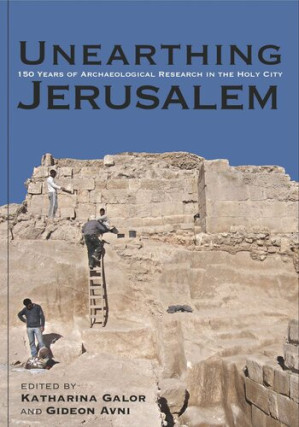
Unearthing Jerusalem : 150 Years of Archaeological Research in the Holy City 🔍
Katharina Galor (editor); Gideon Avni (editor)
Penn State University Press, Pennsylvania State University Press, Winona Lake, Ind, 2011
英语 [en] · PDF · 10.8MB · 2011 · 📘 非小说类图书 · 🚀/lgli/lgrs/nexusstc/upload/zlib · Save
描述
On a cold winter morning in January of 1851, a small group of people approached the monumental façade of an ancient rock-cut burial cave located north of the Old City of Jerusalem. The team, consisting of two Europeans and a number of local workers, was led by Louis-Félicien Caignart de Saulcy—descendant of a noble Flemish family who later was to become a distinguished member of the French parliament. As an amateur archaeologist and a devout Catholic, de Saulcy was attracted to the Holy Land and Jerusalem in particular and was obsessed by his desire to uncover some tangible evidence for the city’s glorious past. However, unlike numerous other European pilgrims, researchers and adventurers before him, de Saulcy was determined to expose the evidence by physically excavating ancient sites. His first object of investigation constitutes one of the most attractive and mysterious monumental burial caves within the vicinity of the Old City, from then onward to be referred to as the “Tomb of the Kings” (Kubur al-Muluk). By conducting an archaeological investigation, de Saulcy tried to prove that this complex represented no less than the monumental sepulcher of the biblical Davidic Dynasty. His brief exploration of the burial complex in 1851 led to the discovery of several ancient artifacts, including sizeable marble fragments of one or several sarcophagi. It would take him another 13 years to raise the funds for a more comprehensive investigation of the site. On November 17, 1863, de Saulcy returned to Jerusalem with a larger team to initiate what would later be referred to as the first archaeological excavation to be conducted in the city.—(from the “Preface”)
In 2006, some two dozen contemporary archaeologists and historians met at Brown University, in Providence RI, to present papers and illustrations marking the 150th anniversary of modern archaeological exploration of the Holy City. The papers from that conference are published here, presented in 5 major sections: (1) The History of Research, (2) From Early Humans to the Iron Age, (3) The Roman Period, (4) The Byzantine Period, and (5) The Early Islamic and Medieval Periods. The volume is heavily illustrated with materials from historical archives as well as from contemporary excavations. It provides a helpful and informative introduction to the history of the various national and religious organizations that have sponsored excavations in the Holy Land and Jerusalem in particular, as well as a summary of the current status of excavations in Jerusalem.
In 2006, some two dozen contemporary archaeologists and historians met at Brown University, in Providence RI, to present papers and illustrations marking the 150th anniversary of modern archaeological exploration of the Holy City. The papers from that conference are published here, presented in 5 major sections: (1) The History of Research, (2) From Early Humans to the Iron Age, (3) The Roman Period, (4) The Byzantine Period, and (5) The Early Islamic and Medieval Periods. The volume is heavily illustrated with materials from historical archives as well as from contemporary excavations. It provides a helpful and informative introduction to the history of the various national and religious organizations that have sponsored excavations in the Holy Land and Jerusalem in particular, as well as a summary of the current status of excavations in Jerusalem.
备用文件名
nexusstc/Unearthing Jerusalem: 150 Years of Archaeological Research in the Holy City/01e6257c053d339730b476b5641e3489.pdf
备用文件名
lgli/10.1515_9781575066592.pdf
备用文件名
lgrsnf/10.1515_9781575066592.pdf
备用文件名
zlib/History/Archaeology/Katharina Galor (editor), Gideon Avni (editor)/Unearthing Jerusalem: 150 Years of Archaeological Research in the Holy City_25915622.pdf
备选作者
Donald T Ariel; Gideon Avni; Ofer Bar-Yosef; Doron Ben-Ami; Joan R Branham; Leah Di Segni; Israel Finkelstein; Katharina Galor; Hillel Geva; Shimon Gibson; Zvi Greenhut; Oren Gutfeld; Mahmoud Hawari; Ulrich Hübner; Aren M Maeir; Jodi Magness; Joseph Patrich; Frank E Peters; Michele Piccirillo; Ronny Reich; Robert Schick; Jon Seligman; Eli Shukron; Yana Tchekhanovets; Dominique Trimbur; Shlomit Weksler-Bdolah; Donald Whitcomb
备选作者
edited by Katharina Galor and Gideon Avni
备选作者
Galor, Katharina; Avni, Gideon
备用出版商
Eisenbrauns, Incorporated
备用版本
United States, United States of America
备用版本
Winona Lake (Ind.), 2011, cop. 2011
备用版本
Winona Lake, Ind, Indiana, 2011
备用版本
University Park, PA, 2011
备用版本
Illustrated, PS, 2011
备用版本
1, 2011-07-21
元数据中的注释
degruyter.com
元数据中的注释
producers:
PDFium
PDFium
元数据中的注释
{"isbns":["1575062232","1575066599","9781575062235","9781575066592"],"last_page":512,"publisher":"Penn State University Press"}
元数据中的注释
Includes bibliographical references and index.
备用描述
On A Cold Winter Morning In January Of 1851, A Small Group Of People Approached The Monumental Facade Of An Ancient Rock-cut Burial Cave Located North Of The Old City Of Jerusalem. The Team, Consisting Of Two Europeans And A Number Of Local Workers, Was Led By Louis-félicien Caignart De Saulcy Descendant Of A Noble Flemish Family Who Later Was To Become A Distinguished Member Of The French Parliament. As An Amateur Archaeologist And A Devout Catholic, De Saulcy Was Attracted To The Holy Land And Jerusalem In Particular And Was Obsessed By His Desire To Uncover Some Tangible Evidence For The City S Glorious Past. However, Unlike Numerous Other European Pilgrims, Researchers And Adventurers Before Him, De? Saulcy Was Determined To Expose The Evidence By Physically Excavating Ancient Sites.^ His First Object Of Investigation Constitutes One Of The Most Attractive And Mysterious Monumental Burial Caves Within The Vicinity Of The Old City, From Then Onward To Be Referred To As The Tomb Of The Kings (kubur Al-muluk). By Conducting An Archaeological Investigation, De Saulcy Tried To Prove That This Complex Represented No Less Than The Monumental Sepulcher Of The Biblical Davidic Dynasty. His Brief Exploration Of The Burial Complex In 1851 Led To The Discovery Of Several Ancient Artifacts, Including Sizeable Marble Fragments Of One Or Several Sarcophagi. It Would Take Him Another 13 Years To Raise The Funds For A More Comprehensive Investigation Of The Site. On November 17, 1863, De Saulcy Returned To Jerusalem With A Larger Team To Initiate What Would Later Be Referred To As The First Archaeological Excavation To Be Conducted In The City.^ (from The Preface) In 2006, Some Two Dozen Contemporary Archaeologists And Historians Met At Brown University, In Providence Ri, To Present Papers And Illustrations Marking The 150th Anniversary Of Modern Archaeological Exploration Of The Holy City. The Papers From That Conference Are Published Here, Presented In 5 Major Sections: (1) The History Of Research, (2) From Early Humans To The Iron Age, (3) The Roman Period, (4) The Byzantine Period, And (5) The Early Islamic And Medieval Periods. The Volume Is Heavily Illustrated With Materials From Historical Archives As Well As From Contemporary Excavations. It Provides A Helpful And Informative Introduction To The History Of The Various National And Religious Organizations That Have Sponsored Excavations In The Holy Land And Jerusalem In Particular, As Well As A Summary Of The Current Status Of Excavations In Jerusalem. -- Publisher's Description. Where Three Roads Meet: Jewish, Christian, And Muslim Pilgrimage To Jerusalem / Frank E. Peters -- British Archaeological Work In Jerusalem Between 1865 And 1967: An Assessment / Shimon Gibson -- The German Protestant Institute Of Archaeology (deutsches Evangelisches Institut Für Altertumswissenschaft Des Heiligen Landes) / Ulrich Hübner -- The American Archaeological Presence In Jerusalem: Through The Gates Of The Albright Institute / Joan R. Branham -- The École Biblique Et Archéologique Française: A Catholic, French, And Archaeological Institution / Dominique Trimbur -- The Archaeology Of Jerusalem And The Franciscans Of The Studium Biblicum / Michelle Piccirillo -- The Israel Exploration Society (ies) / Ronny Reich -- The Departments Of Antiquities And The Israel Antiquities Authority (1918-2006): The Jerusalem Experience / Jon Seligman -- Prehistory Of The Jerusalem Area / Ofer Bar-yosef -- The Archaeology Of Early Jerusalem: From The Late Proto-historic Periods (ca. 5th Millennium) To The End Of The Late Bronze Age (ca. 1200 B.c.e.) / Aren M. Maeir -- Jerusalem In The Iron Age: Archaeology And Text; Reality And Myth / Israel Finkelstein -- The Location Of The Second Temple And The Layout Of Its Courts, Gates, And Chambers: A New Proposal / Joseph Patrich -- Has The Adiabene Royal Family Palace Been Found In The City Of David? / Doron Ben-ami And Yana Tchekhanovets -- The Pool Of Siloam In Jerusalem Of The Late Second Temple Period And Its Surroundings / Ronny Reich And Eli Shukron -- A Domestic Quarter From The Second Temple Period On The Lower Slopes Of The Central Valley (tyropoeon) / Zvi Greenhut -- Coins From Excavations In The Domestic Quarter Of The City Of David, Jerusalem / Donald T. Ariel -- On The New City Of Second Temple Period Jerusalem: The Archaeological Evidence / Hillel Geva -- Aelia Capitolina: A Review Of Some Current Debates About Hadrianic Jerusalem / Jodi Magness -- The Urban Layout Of Byzantine-period Jerusalem / Oren Gutfeld -- Epigraphic Finds Reveal New Chapters In The History Of The Church Of The Holy Sepulchre In The 6th Century / Leah Di Segni -- The Hinterland Of Jerusalem During The Byzantine Period / Jon Seligman -- From Hagia Polis To Al-quds: The Byzantine-islamic Transition In Jerusalem / Gideon Avni -- Jerusalem And The Beginnings Of The Islamic City / Donald Whitcomb -- Early Islamic And Medieval City Walls Of Jerusalem In Light Of New Discoveries / Shlomit Weksler-bdolah -- Ayyubid Jerusalem: New Architectural And Archaeological Discoveries / Mahmoud Hawari -- Mamluk And Ottoman Jerusalem / Robert Schick. Edited By Katharina Galor And Gideon Avni. In [november] 2006, Some Two Dozen Contemporary Archaeologists And Historians Met At Brown University, In Providence, R.i., To Present Papers And Illustrations Marking The 150th Anniversary Of Modern Archaeological Explorations Of The Holy City. The Papers From That Conference Are Published Here...--p. [4] Of Cover. Includes Bibliographical References And Index.
备用描述
<p>On a cold winter morning in January of 1851, a small group of people approached the monumental façade of an ancient rock-cut burial cave located north of the Old City of Jerusalem. The team, consisting of two Europeans and a number of local workers, was led by Louis-Félicien Caignart de Saulcy—descendant of a noble Flemish family who later was to become a distinguished member of the French parliament. As an amateur archaeologist and a devout Catholic, de Saulcy was attracted to the Holy Land and Jerusalem in particular and was obsessed by his desire to uncover some tangible evidence for the city’s glorious past. However, unlike numerous other European pilgrims, researchers and adventurers before him, de Saulcy was determined to expose the evidence by physically excavating ancient sites. His first object of investigation constitutes one of the most attractive and mysterious monumental burial caves within the vicinity of the Old City, from then onward to be referred to as the “Tomb of the Kings” (Kubur al-Muluk). By conducting an archaeological investigation, de Saulcy tried to prove that this complex represented no less than the monumental sepulcher of the biblical Davidic Dynasty. His brief exploration of the burial complex in 1851 led to the discovery of several ancient artifacts, including sizeable marble fragments of one or several sarcophagi. It would take him another 13 years to raise the funds for a more comprehensive investigation of the site. On November 17, 1863, de Saulcy returned to Jerusalem with a larger team to initiate what would later be referred to as the first archaeological excavation to be conducted in the city.—(from the “Preface”)<br></p><p>In 2006, some two dozen contemporary archaeologists and historians met at Brown University, in Providence RI, to present papers and illustrations marking the 150th anniversary of modern archaeological exploration of the Holy City. The papers from that conference are published here, presented in 5 major sections: (1) The History of Research, (2) From Early Humans to the Iron Age, (3) The Roman Period, (4) The Byzantine Period, and (5) The Early Islamic and Medieval Periods. The volume is heavily illustrated with materials from historical archives as well as from contemporary excavations. It provides a helpful and informative introduction to the history of the various national and religious organizations that have sponsored excavations in the Holy Land and Jerusalem in particular, as well as a summary of the current status of excavations in Jerusalem.<br></p>
备用描述
Review: "On a cold winter morning in January of 1851, a small group of people approached the monumental facade of an ancient rock-cut burial cave located north of the Old City of Jerusalem. The team, consisting of two Europeans and a number of local workers, was led by Louis-Félicien Caignart de Saulcy descendant of a noble Flemish family who later was to become a distinguished member of the French parliament. As an amateur archaeologist and a devout Catholic, de Saulcy was attracted to the Holy Land and Jerusalem in particular and was obsessed by his desire to uncover some tangible evidence for the city s glorious past. However, unlike numerous other European pilgrims, researchers and adventurers before him, de? Saulcy was determined to expose the evidence by physically excavating ancient sites. His first object of investigation constitutes one of the most attractive and mysterious monumental burial caves within the vicinity of the Old City, from then onward to be referred to as the Tomb of the Kings (Kubur al-Muluk). By conducting an archaeological investigation, de Saulcy tried to prove that this complex represented no less than the monumental sepulcher of the biblical Davidic Dynasty. His brief exploration of the burial complex in 1851 led to the discovery of several ancient artifacts, including sizeable marble fragments of one or several sarcophagi. It would take him another 13 years to raise the funds for a more comprehensive investigation of the site. On November 17, 1863, de Saulcy returned to Jerusalem with a larger team to initiate what would later be referred to as the first archaeological excavation to be conducted in the city. (from the "Preface") In 2006, some two dozen contemporary archaeologists and historians met at Brown University, in Providence RI, to present papers and illustrations marking the 150th anniversary of modern archaeological exploration of the Holy City. The papers from that conference are published here, presented in 5 major sections: (1) The History of Research, (2) From Early Humans to the Iron Age, (3) The Roman Period, (4) The Byzantine Period, and (5) The Early Islamic and Medieval Periods. The volume is heavily illustrated with materials from historical archives as well as from contemporary excavations. It provides a helpful and informative introduction to the history of the various national and religious organizations that have sponsored excavations in the Holy Land and Jerusalem in particular, as well as a summary of the current status of excavations in Jerusalem."--Publisher's description
开源日期
2023-08-21
🚀 快速下载
成为会员以支持书籍、论文等的长期保存。为了感谢您对我们的支持,您将获得高速下载权益。❤️
如果您在本月捐款,您将获得双倍的快速下载次数。
🐢 低速下载
由可信的合作方提供。 更多信息请参见常见问题解答。 (可能需要验证浏览器——无限次下载!)
- 低速服务器(合作方提供) #1 (稍快但需要排队)
- 低速服务器(合作方提供) #2 (稍快但需要排队)
- 低速服务器(合作方提供) #3 (稍快但需要排队)
- 低速服务器(合作方提供) #4 (稍快但需要排队)
- 低速服务器(合作方提供) #5 (无需排队,但可能非常慢)
- 低速服务器(合作方提供) #6 (无需排队,但可能非常慢)
- 低速服务器(合作方提供) #7 (无需排队,但可能非常慢)
- 低速服务器(合作方提供) #8 (无需排队,但可能非常慢)
- 低速服务器(合作方提供) #9 (无需排队,但可能非常慢)
- 下载后: 在我们的查看器中打开
所有选项下载的文件都相同,应该可以安全使用。即使这样,从互联网下载文件时始终要小心。例如,确保您的设备更新及时。
外部下载
-
对于大文件,我们建议使用下载管理器以防止中断。
推荐的下载管理器:JDownloader -
您将需要一个电子书或 PDF 阅读器来打开文件,具体取决于文件格式。
推荐的电子书阅读器:Anna的档案在线查看器、ReadEra和Calibre -
使用在线工具进行格式转换。
推荐的转换工具:CloudConvert和PrintFriendly -
您可以将 PDF 和 EPUB 文件发送到您的 Kindle 或 Kobo 电子阅读器。
推荐的工具:亚马逊的“发送到 Kindle”和djazz 的“发送到 Kobo/Kindle” -
支持作者和图书馆
✍️ 如果您喜欢这个并且能够负担得起,请考虑购买原版,或直接支持作者。
📚 如果您当地的图书馆有这本书,请考虑在那里免费借阅。
下面的文字仅以英文继续。
总下载量:
“文件的MD5”是根据文件内容计算出的哈希值,并且基于该内容具有相当的唯一性。我们这里索引的所有影子图书馆都主要使用MD5来标识文件。
一个文件可能会出现在多个影子图书馆中。有关我们编译的各种数据集的信息,请参见数据集页面。
有关此文件的详细信息,请查看其JSON 文件。 Live/debug JSON version. Live/debug page.